


Addressing Mental Health Challenges in County Durham
In County Durham, an elderly woman named Margaret sits alone in her living room, staring out at the grey skies. Despite a life filled with resilience, she now finds herself overwhelmed by anxiety and despair. “I used to volunteer at the community center,” she shares, her voice shaky. “But lately, I’ve felt so isolated. I just don’t know where to turn.” Margaret’s story, emblematic of the struggles facing many in the region, highlights a critical public health issue: the declining mental wellbeing of adults living in some of the area’s most disadvantaged neighborhoods.
The Struggle for Good Mental Health
Recent data from a Wellbeing Survey conducted by the local council paints a stark picture. Only 50% of adults residing in disadvantaged areas reported having good mental health. This alarming statistic reveals a contributing factor to the broader health crisis currently plaguing the region. Councillor David Brown, a voice for Reform UK, emphasizes, “We know that many residents are finding things tough right now, and it’s affecting both their mental and physical health.”
A System Under Strain
The pressures are mounting as economic instability, exacerbated by global inflation and local unemployment rates, leave many scrambling to meet basic needs. Mental health services, already at capacity, are increasingly unable to meet the demand. “There is a crisis in mental health provision in the UK, particularly in areas like County Durham,” says Dr. Sarah Elwood, a clinical psychologist who has worked in the region for over a decade. “Many individuals fall through the cracks because existing services are simply stretched too thin.”
In response to these challenges, local grassroots organizations have stepped in as lifelines. Brown notes, “These groups often connect with people who might not feel comfortable using other services. They create a safe space for individuals to share their struggles.”
Grassroots Solutions: A Beacon of Hope
Recognizing the vital role of community support, the County Durham council has initiated a fund aimed at sustaining and expanding the activities of these local organizations. This initiative is crucial; without the burden of annual reapplication for financial help, grassroots groups can focus on outreach and better serve their communities.
- Local Engagement: Grassroots organizations engage people on their terms, building trust where traditional services may fail.
- Wide-Ranging Activities: They offer support groups, recreational activities, and mental health workshops tailored to community needs.
- Access and Inclusivity: Programs cater to diverse populations, including marginalized groups who often lack access to traditional healthcare services.
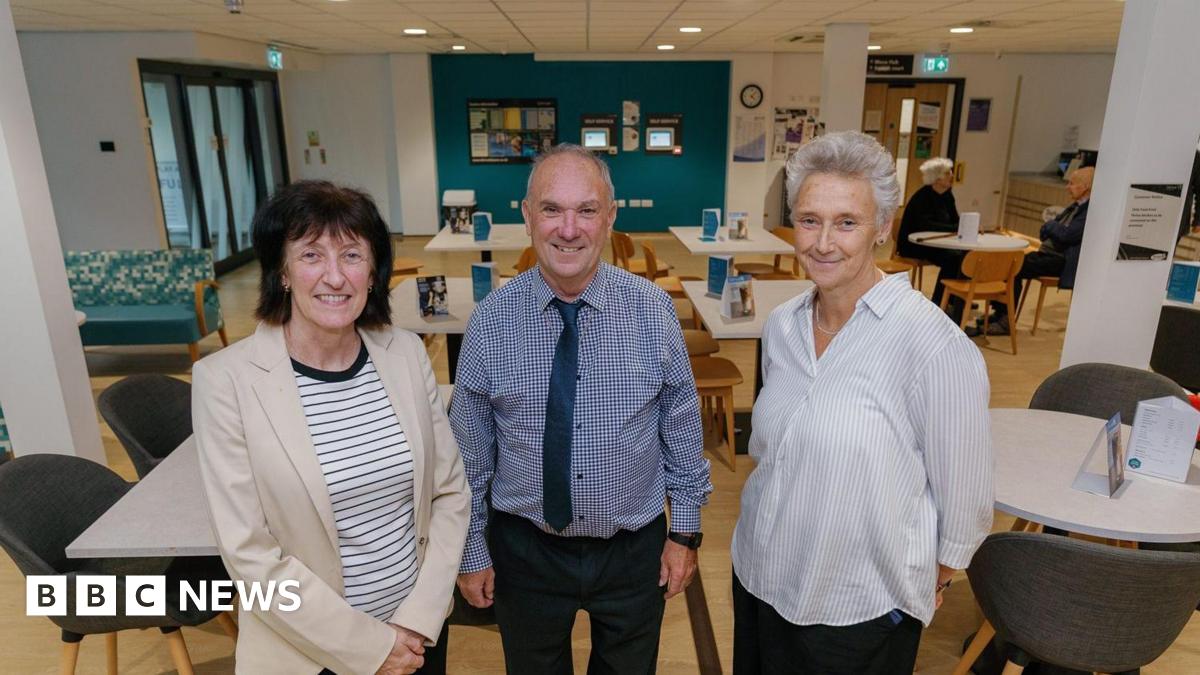
For instance, Colette’s Café, a local initiative in the heart of Durham City, provides a welcoming atmosphere for anyone struggling with mental health issues. “We serve coffee and conversation,” explains Fiona Dawson, the café’s founder. “People can come in, sit down, and talk. It’s as simple as that. We’ve seen how even a warm cup of tea can help lift someone’s spirits.”
Impact of Community Initiatives
Data collected from initiatives like Colette’s Café indicates promising results. A 2022 study by the Community Wellbeing Institute found that participants in community-led mental health programs reported a 60% increase in their overall wellbeing after engaging in activities. “This isn’t just anecdotal,” states Dr. Elwood, who collaborated on the study. “These initiatives often serve as an entry point for individuals to receive further support, creating a vital link in the mental health care system.”
Future Directions: Funding and Support
The establishment of the new fund reflects a broader acknowledgment of the mental health crisis gripping the region. “This fund will help these groups offer a wider range of activities and reach more residents across the county,” says Brown. “It’s about proactive support, ensuring that those in need don’t have to struggle through bureaucratic hurdles just to find relief.”
Nevertheless, experts warn that financial support must be paired with public awareness initiatives to destigmatize mental health challenges. “People need to know it’s okay to ask for help,” says Dr. Elwood. “The sooner we create a culture of acceptance around mental health, the better we’ll be able to address these issues.”
As Margaret contemplates her circumstances, the emergence of local support groups offers a glimmer of hope. “I’ve heard about a new group starting up,” she reflects, a hint of optimism rising in her voice. “Maybe I’ll give it a try.”
In County Durham, where shadows of despair loom large, community-led initiatives are not just addressing immediate needs but are sowing the seeds of resilience for a healthier future. Through collaboration, compassion, and committed funding, the region is well on its way to navigating the mental health crisis—one conversation, one activity, and one community member at a time.
Source: www.bbc.co.uk

