


To Improve IBD Symptoms, Avoid Pro-Inflammatory Foods, New Study Emphasizes
In a world where dietary choices often intertwine with health outcomes, a recent study from the Medical University of Lodz has illuminated a critical link between food and inflammatory bowel disease (IBD). Imagine sitting at a dinner table, surrounded by loved ones, when a sudden wave of gastrointestinal pain strikes—a chilling reminder that food can be both nourishment and torment for those struggling with this chronic condition.
The Weight of Inflammation
Inflammatory bowel disease, which includes Crohn’s disease and ulcerative colitis, affects millions, with the CDC estimating between 2.4 and 3.1 million people in the United States alone. The precise causes of IBD remain shrouded in mystery, but a combination of genetic and environmental factors appears pivotal. With current treatments focused primarily on symptom management, the importance of lifestyle factors—particularly diet—has never been more pronounced.
The recent analysis involved 90 participants diagnosed with IBD: 46 with Crohn’s and 44 with ulcerative colitis. Their health status ranged from remission to severe disease, providing a broad canvas to explore how dietary choices impact disease severity. The researchers employed rigorous methods, including the Crohn’s Disease Activity Index and the Partial Mayo Score, alongside detailed dietary interviews. This comprehensive approach helped construct each participant’s Dietary Inflammatory Index (DII), which gauges how foods influence inflammation levels.
Pro-Inflammatory vs. Anti-Inflammatory Diets
The findings were stark: those adhering to diets rich in anti-inflammatory foods—fruits, vegetables, and omega-3 fatty acids—were significantly more likely to be in remission or experience mild symptoms. Conversely, individuals whose eating patterns leaned toward pro-inflammatory options, such as red meats and processed foods, were at a threefold increased risk for moderate to severe symptoms.
- Anti-inflammatory food choices: Fruits, vegetables, whole grains, lean proteins, especially fish.
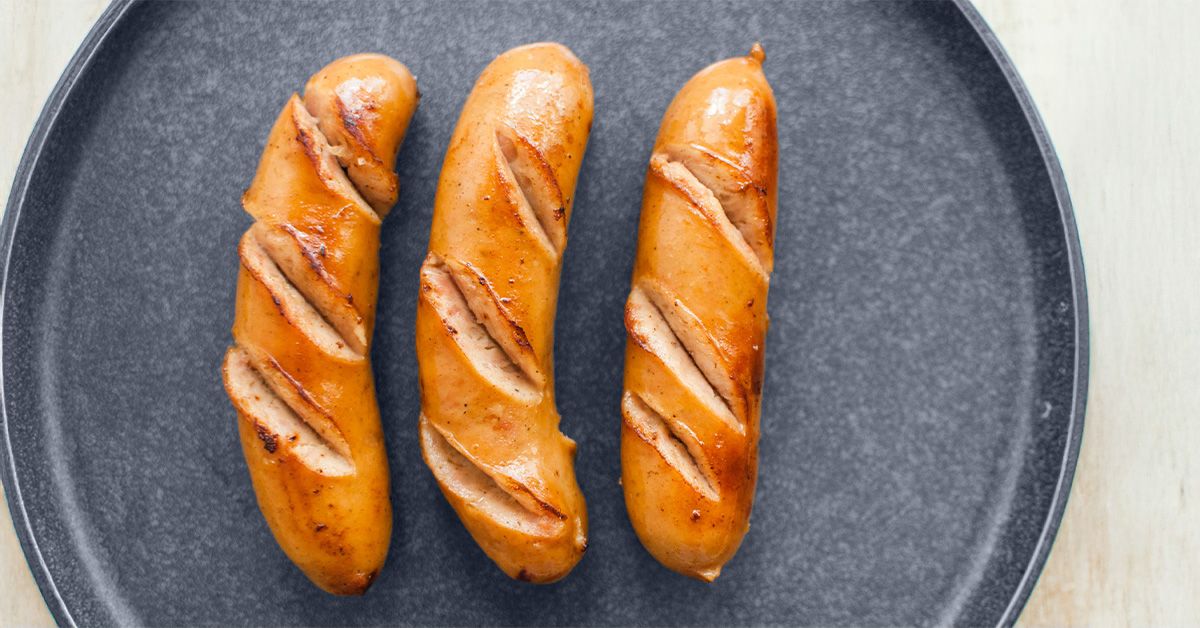
- Pro-inflammatory food choices: Red meats, processed foods, sugary snacks.
Dr. Emily Harris, a gastroenterologist at the Boston Medical Center, states, “It’s becoming increasingly clear that diet plays a vital role in managing IBD. This study adds weight to the argument that what we eat can either exacerbate or alleviate our symptoms.”
Although the study couldn’t find direct correlations between DII scores and blood cytokine levels—potential indicators of inflammation—the researchers noted the limitations inherent in their sample size. Nonetheless, the overarching theme remained apparent: the right dietary choices can fundamentally shape disease outcomes.
A Broader Perspective
The significance of these findings becomes even more pronounced when considering the societal and emotional facets of living with IBD. The fear associated with flare-ups can lead to isolation and anxiety. Raj Dasgupta, MD, Chief Medical Advisor for Sleepopolis, emphasizes that, “Many patients report changes in social dynamics due to their condition. By focusing on dietary improvements, there may be an opportunity to regain a sense of control.”
In the study, approximately 36% of participants were in remission, while 22% had mild disease. This disparity highlights the potential tangible benefits of adopting an anti-inflammatory diet. The medical community is thus urged to consider nutritional counseling as an integral component of IBD treatment plans.
Next Steps for IBD Patients
As the research community delves deeper into the relationship between diet and IBD, clinicians might increasingly recommend specific nutritional interventions. For patients currently navigating the complexities of IBD, here are key steps to consider:
- Consult a nutritionist specializing in IBD for personalized dietary advice.
- Keep a food diary to track symptoms and identify potential triggers.
- Gradually incorporate anti-inflammatory foods into your diet while monitoring symptoms.
Dr. Harris adds, “Patients should not feel overwhelmed. Small, gradual changes can lead to significant improvements in their quality of life.”
Ultimately, as the research sheds light on the nexus of diet and disease, the hope is that more people living with IBD can find comfort at their tables rather than fear. The culinary landscape may prove to be a sanctuary rather than a battleground, where informed choices could lead to an alleviation of suffering and a brighter, symptom-free future.
Source: www.medicalnewstoday.com

