


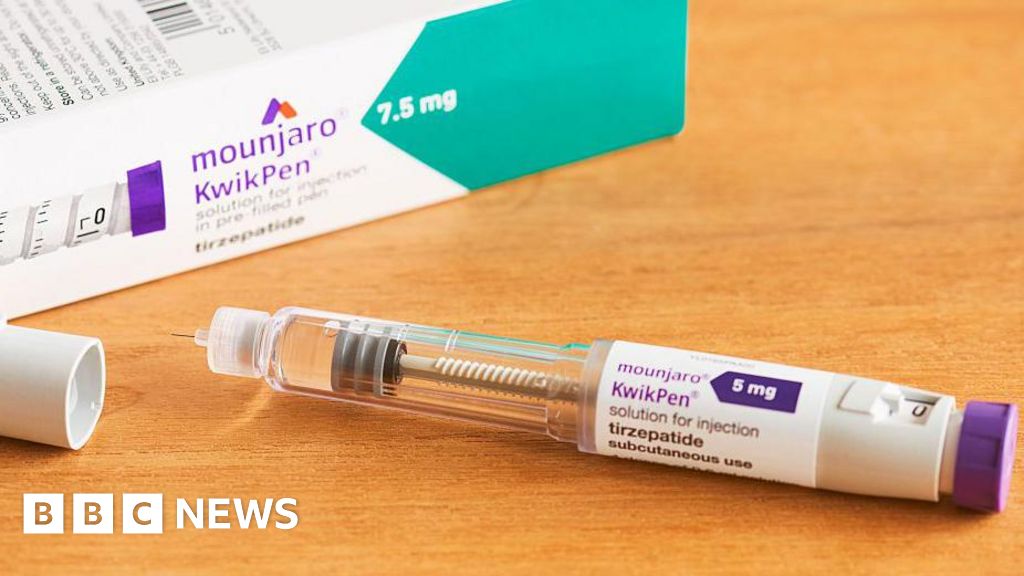
Patients Struggle to Access Mounjaro Amid Rising Demand and Price Hikes
At the age of 65, Lynne Massey-Davis from East Yorkshire has experienced a remarkable turnaround in her health after starting a weight-loss medication known as Mounjaro. Having previously grappled with a BMI of 32, Lynne now boasts a BMI of 26, attributing her invigorated vitality to the drug. Yet, her recent journey to obtain a new prescription has spiraled into a frustrating ordeal. “It’s a very uncertain time. I’ve spent a lot of time on the phone,” she says, expressing her anxiety over missing doses that have become increasingly hard to find.
The Surge in Demand and Concern
The situation surrounding Mounjaro has become increasingly precarious following an announcement from its manufacturer, Eli Lilly. The company reported a staggering price increase of up to 170% to take effect on September 1, causing widespread alarm among patients and pharmacies alike. With a month’s supply of the medication escalating from £122 to £330, many patients are now left scrambling to find their vital prescriptions before the hike hits.
“This increase has caused understandable concern to patients and pharmacies alike and has resulted in short-term pressures on supply,” states Henry Gregg, chief executive of the National Pharmacy Association (NPA). He adds that due to the anticipated price rise, pharmacies have seen a notable uptick in demand, with many prioritizing patients already undergoing treatment rather than those seeking to start.
Patient Testimonials Amplify the Crisis
Marie Cook, a 49-year-old from East London diagnosed with type 2 diabetes, echoes Lynne’s sentiments. “I’ve been taking it for a year, come off insulin, and lost 3.5 stones, but I have just one week’s worth of injections left. It’s frustrating. We have true medical problems; we should come first.” Despite multiple visits to her local and neighboring chemists, none could provide her with Mounjaro. She hopes the upcoming meeting with her diabetic nurse will yield a solution.
These accounts highlight a distressing national trend as patients face not only financial implications but also health risks related to disrupted medication regimens. A recent study from the National Institute for Health Research indicated that consistent access to weight-loss medications can significantly improve both physical health outcomes and mental well-being. Yet the rising costs and unstable supply chains threaten these benefits.
Pharmacy Perspectives on Supply Issues
Pharmacies, like Chemist4U, have also been grappling with the ramifications of the price increase. “Supplies are a bit restricted,” CEO James O’Loan mentions, confirming that they are holding back stock for existing patients who may need to increase their dosage. “We envisage supplies returning to normal once Eli Lilly releases new stock after September 1.” In the meantime, pharmacists are urging patients to avoid panic-buying and stockpiling, which could worsen the distribution challenges.
- Increased demand correlated with price hike announcements.
- Pharmacies prioritizing existing patients over new ones.
- Contiguous prescriptions are essential for maintaining health.
- Experts warn against turning to unregulated sellers, which may endanger patient safety.
Guidance for Patients and Healthcare Providers
Healthcare providers are also emphasizing the need for proper communication regarding medication accessibility. “Patients should engage in conversation with their pharmacy to explore all available options,” advises Sehar Shahid, a pharmacist based in Paisley. “Switching to alternative medications like Wegovy should only be done under medical supervision, ideally with a clear wash-out period.” This sentiment aligns with public health principles advocating for informed and supervised medical decisions.
As the clock ticks closer to the price rise, the interplay between pharmaceutical companies, healthcare providers, and patients remains in flux. Eli Lilly has established allocations to prevent localized disruption and has issued warnings against stockpiling that could jeopardize patient safety. Despite these measures, the anxiety that looms for many patients is palpable.
Looking Ahead: A Community Response
While patience is essential, not everyone can afford to wait. Lynne has made the difficult decision to borrow doses from a friend until her next order arrives. “I’m worried about my health, but I will stay safe,” she reflects sadly, recognizing that not everyone may have the same flexibility. For many, including those struggling with chronic medical conditions like diabetes, swift access to these medications can mean the difference between health and serious medical complications.
As conversations surrounding healthcare access and medication pricing intensify, it remains critical for authorities to strike a balance between profitability and patient welfare. “We have to recognize that these drugs are not mere commodities; they are a vital lifeline for many,” reflects Dr. Anya Roberts, a public health expert, emphasizing the need for a collaborative approach to address ongoing supply and affordability issues.
As patients like Lynne and Marie grapple with their medication supply anxieties, a larger narrative unfolds, reflecting the intricate web of healthcare, access, and economic realities that dictate not just physical well-being, but emotional health much needed in challenging times.
Source: www.bbc.com

