


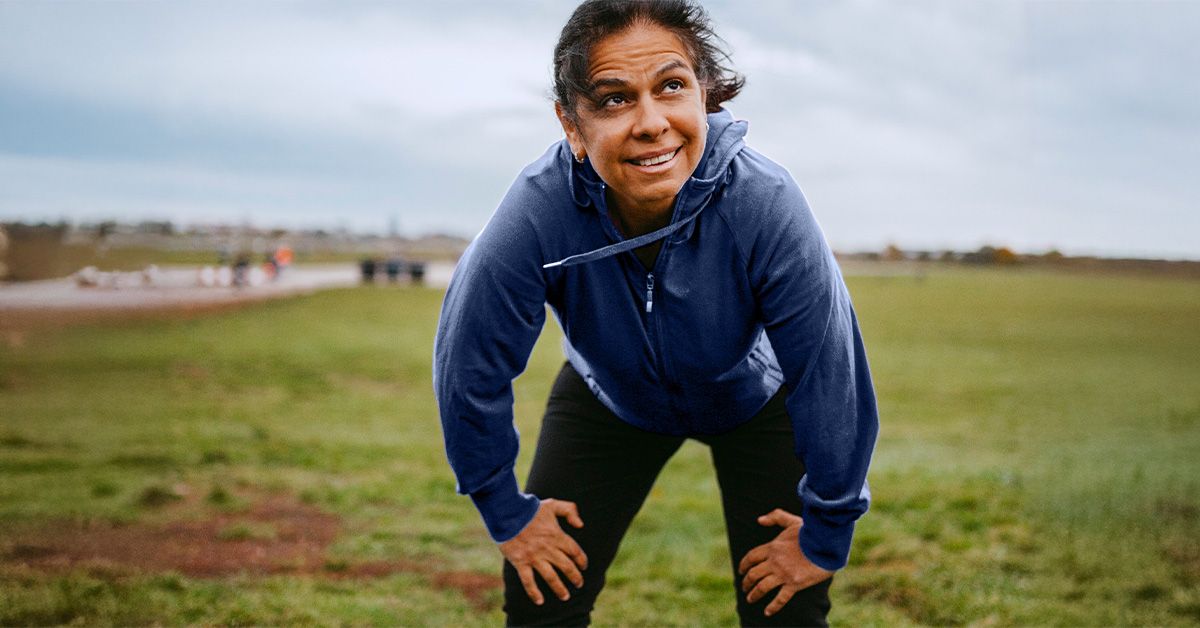
The Human Body Experiences Rapid Changes Around Age 50
At age 50, many individuals encounter a profound transformation—both physically and mentally. For Sarah, a 52-year-old marathon runner, the most striking change was not in her stamina but rather in her recovery time after races. “It felt like I crossed a threshold where my body no longer bounced back as quickly,” she recalls, a sentiment echoed in recent studies highlighting a significant uptick in physiological changes around this age. According to groundbreaking research published in Cell, the aging process accelerates between the ages of 45 and 55, posing critical implications for health and longevity.
The Science Behind Aging
The aging journey is anything but linear. While most might anticipate decline with age, significant biological transformations often occur in bursts during specific life stages. Prior studies have noted heightened changes around ages 44 and 60, but the recent findings bring a sharper focus to the age 50 milestone. “Aging remains an unresolved enigma in the life sciences,” says Guang-Hui Liu, PhD, a regenerative medicine expert at the Chinese Academy of Sciences. “We are now beginning to parse the complex tapestry that defines organ aging.”
This recent study by Liu and his team examined 516 samples from 13 types of human tissues acquired from 76 organ donors, ages 14 to 68, who succumbed to traumatic brain injuries. The objective was to chart a detailed, “proteomic aging atlas” that reveals how our bodies age at the protein level. Liu elucidates, “By analyzing proteins linked to cellular structure and function, we can better understand the mechanisms governing aging dynamics over a lifespan.”
A Proteomic Aging Atlas: A Revelation
The researchers meticulously documented over 20,000 proteins, unraveling their connection to various physiological systems—including cardiovascular, digestive, respiratory, and immune. “This atlas is not merely a catalog; it is a dynamic portrait of how aging unfolds across tissues,” Liu elaborates. “Importantly, we discovered that around age 50, there is a “molecular cascade storm,” where proteins linked to diseases surge dramatically.”
- 48 proteins associated with diseases like cardiovascular issues and liver conditions showed significant increase with age.
- The vascular system experiences notable shifts, with the aortic proteome evolving to highlight the systemic nature of aging signals.
- This transitional phase represents a pivotal moment in multi-organ aging, suggesting that organ health is a crucial element in managing overall well-being.
Medical Perspectives on Aging
The implications of these findings resonate strongly in the medical community. Cheng-Han Chen, MD, an interventional cardiologist at MemorialCare Saddleback Medical Center, describes the study as a stepping stone toward understanding the biochemical underpinnings of aging. “As we identify the distinct protein alterations around age 50, we can better tailor therapies to address age-related conditions,” he states. Such advancements could serve as early interventions in managing chronic diseases that stem from accelerated aging processes.
Echoing this sentiment, Manisha Parulekar, MD, chief of Geriatrics at Hackensack University Medical Center, highlights the necessity of a proactive health model. “The traditional reactive approach to healthcare needs reformation. Understanding how and when aging affects our biology will allow us to devise strategies that not only extend lifespan but also enhance healthspan,” she remarks. This shift could pave the way for more personalized, effective medical care.
Taking a Closer Look at Systemic Aging
Central to the study’s findings is the concept that aging affects organs not in isolation but as part of a larger systemic process. “Aging-related accumulation of misfolded proteins, such as amyloids, has classically been associated with neurodegenerative diseases,” explains Parulekar. “Our understanding is expanding—we’re now recognizing that this protein misfolding is systemic, which aligns with the study’s revelations about proteomic changes across multiple tissues.”
Such insights underline the importance of further investigation into these proteomic shifts. Future research should include longitudinal studies tracking individuals over decades to note how lifestyle, diet, and genetic factors influence proteomic dynamics. This approach could not only confirm the vital role of the age 50 inflection point but also offer broader applicability across different demographics.
The Road Ahead in Aging Research
As scientists delve deeper into the biology of aging, the prospect of “compressing morbidity” becomes increasingly promising. This idea centers on extending the healthy years of life rather than simply prolonging existence. “If we can identify markers of aging and intervene early on, we have the potential to significantly alter how we experience our later years,” Chen asserts. The implications for public health could be transformative, heralding a future where chronic diseases are managed more effectively, enhancing the quality of life as we age.
The journey of understanding aging is ongoing, filled with complexities and questions yet to be answered. As Liu aptly states, “To unravel the enigma of aging requires collaborative efforts across disciplines.” The halfway point of life may be more than just a personal milestone; it may serve as a pivotal juncture in our collective understanding of health, well-being, and the aging process. Thus, as research progresses, it not only helps individuals like Sarah but could ultimately redefine how society approaches the aging population.
Source: www.medicalnewstoday.com

