


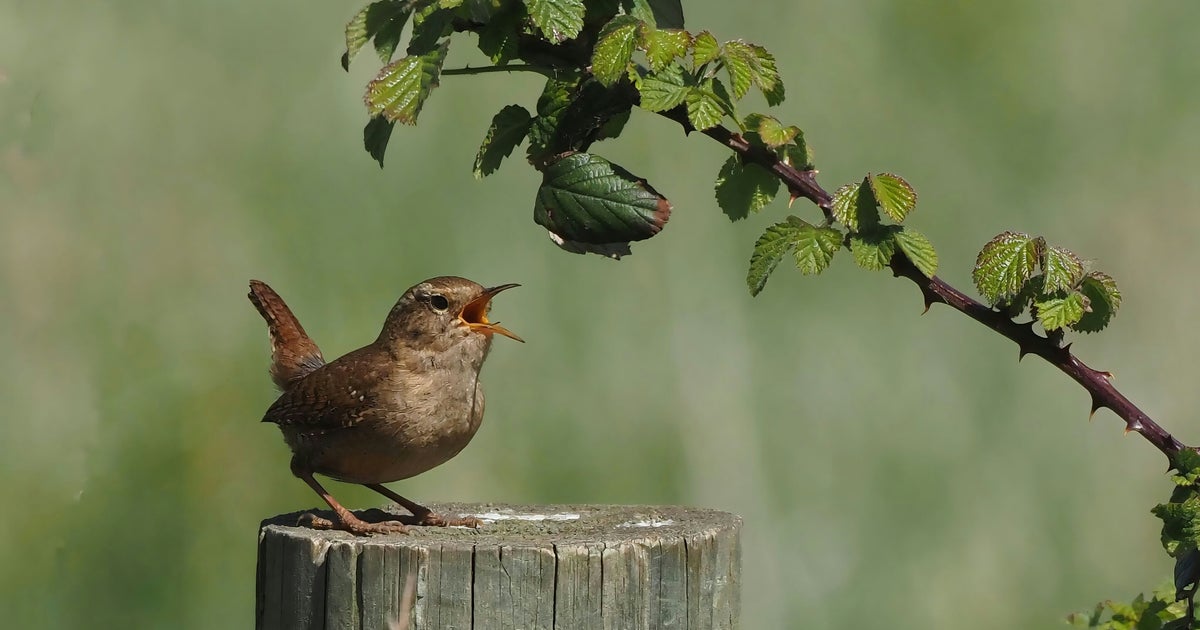
Sometimes, when you’re in the midst of a painful mental spiral and can’t quite face going further than outside of your front door, a good hit of fresh air can help a little.
Huddled in his New York apartment during the winter solitude of 2021, Marcus never imagined a five-minute outing would shift his mood. As he stepped outside, the brisk air filled his lungs, and he heard the soft trill of birds overhead. “It was like stumbling into a reality check,” he recalls. “I remember feeling trapped in a grey cloud of hopelessness, but those birds reminded me there was life outside my window.” For many, this experience is not merely anecdotal; research increasingly validates that a breath of fresh air—and the accompanying sounds of nature—can provide significant mental respite.
While stepping outside doesn’t offer absolution for one’s struggles, it acts as a free reprieve that nudges the mind away from cycles of negativity. The juxtaposition of fresh air with the olfactory symphony of flowers can genuinely soothe anxiety, positioning the brain in a space where hope can thrive.
How birdsong can benefit our mental wellbeing
A study conducted by ecologist Clinton Francis in 2020 emphasizes the intricacies of this connection. “Birdsong can create an instinctual sense of safety,” he explains. “Quiet environments—like a mute forest—can trigger unease, suggesting lurking predators.” Hearing birds can often function as reassurance, signaling that the world is in a state of ease, and thus inviting relaxation.
Further emphasis on this phenomenon emerged from a 2022 study published in Scientific Reports. Researchers found a significant correlation between encounters with birds and enhanced mental well-being. Participants who reported seeing or hearing birds experienced a notable uplift that persisted long after the encounter, effectively acting as a balm for stress long into the day.
These findings invite us to explore the psychological ramifications of our interactions with nature. As Dr. Emily Jacobs, a clinical psychologist, asserts, “Birds are often seen as indicators of tranquility. When they’re present, we feel subconsciously more secure and connected to the environment.” This psychological link gives rise to the compelling concept that nature, particularly birds, is not merely a backdrop but an active player in the game of mental health.
How to attract birds to your garden
You may not need to own sprawling acres to invite birds into your life. Even a small balcony or windowsill can become a sanctuary for feathered friends. The Woodland Trust provides the following steps to create a welcoming space for birds:
- Set up bird feeders. Whether tall structures in your yard or window-mounted options, feeders are essential.
- If possible, leave out water for drinking and bathing, as birds are drawn to accessible hydration.
- Install nest boxes to provide safe nesting spots, particularly in urban environments.
- Plant bird-friendly flora: Berry-rich trees and shrubs like rowan, hawthorn, guelder rose, and holly are great for providing food and shelter.
Beyond the Garden: Expanding Your Birdwatching Experience
Engaging with birds isn’t limited to our personal outdoor spaces. Parks, wildlife reserves, and natural areas provide rich opportunities for auditory and visual interaction. Participating in local birdwatching groups or events can foster a community-centric approach to mental health, where shared experiences amplify the benefits of nature’s sounds. According to landscape ecologist Dr. Samir Khanna, “These communal efforts not only improve mental health but also cultivate environmental stewardship among participants.”
As you embark on this journey of connection with nature, remember that the soothing effects of fresh air and birdsong don’t just alleviate stress; they also foster more profound and lasting changes in our psychological landscape. An intricate dance between our biology and the natural world exists, anchoring us, if only for a moment, in the present.
In these turbulent times, when mental health struggles often feel insurmountable, the simple act of stepping outside can provide a significant, albeit fleeting, relief. As Marcus re-engages with the world through the lens of nature, he reflects, “It’s not about curing the pain; it’s about taking a breath, one chirp at a time. Nature has this beautiful way of reminding us that we are not alone.”
Source: www.huffingtonpost.co.uk

