


NHS Patients First in Europe to Receive Pioneering Ultrasound Cancer Treatment
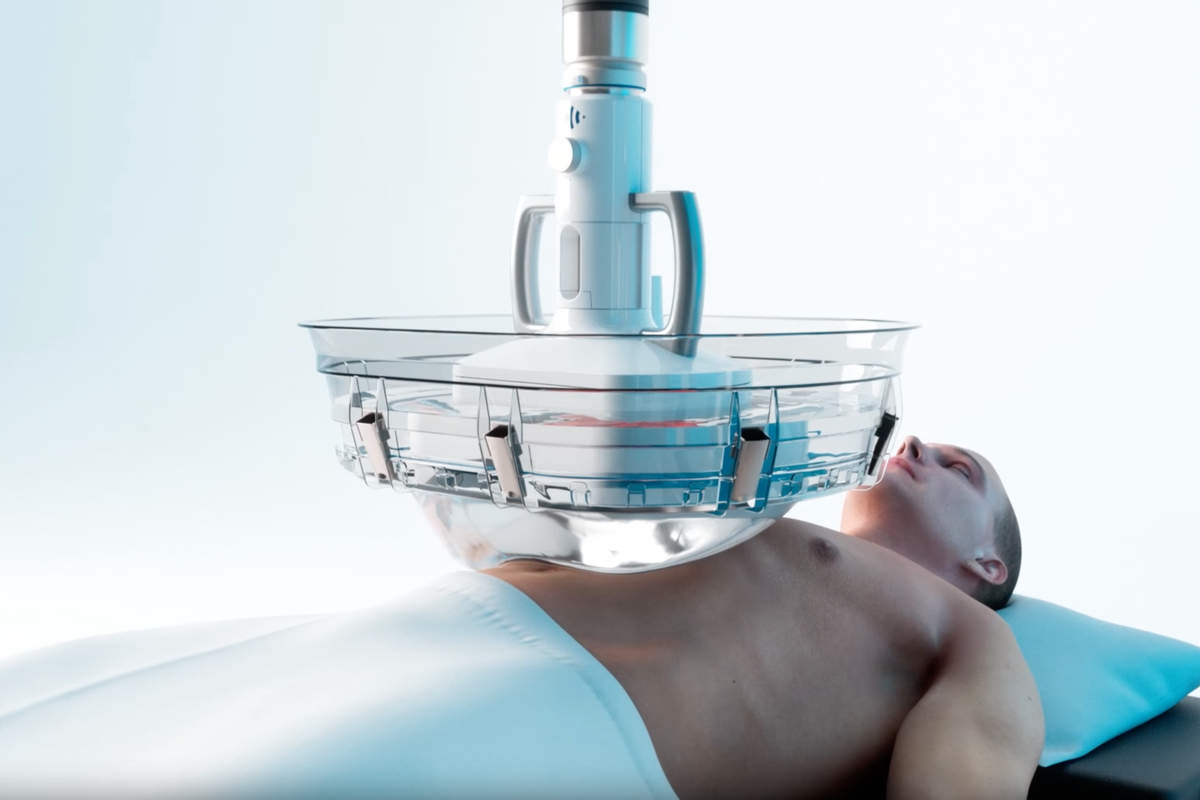
In a groundbreaking medical advancement, NHS patients are set to be the first in Europe to receive a pioneering new cancer treatment that harnesses the power of ultrasound to destroy tumors. This innovative technology, known as histotripsy, offers new hope for those battling liver cancer, a disease that has been steadily on the rise in the UK.
Understanding Histotripsy: A Revolutionary Approach
Histotripsy utilizes pulsed sound waves to create a phenomenon described as “bubble clouds” within the targeted tissue or tumor. As these bubbles quickly implode—creating shockwaves that can shatter cancerous cells—the treatment successfully avoids traditional pitfalls associated with surgery, radiation, and chemotherapy. The Department for Health and Social Care (DHSC) emphasizes minimal collateral damage to surrounding organs as one of its key advantages.
“Histotripsy represents a significant leap in cancer treatments, merging non-invasive techniques with precision targeting,” states Dr. Lisa Thompson, an oncologist at Cambridge University Hospitals. “This method not only reduces the physiological toll on the patient but also promises a much quicker recovery time.”
How Does It Work?
- Histotripsy employs ultrasound waves to induce cavitation—forming gas bubbles in the tumor.
- When these bubbles collapse, a shockwave is produced, effectively destroying cancer cells.
- The treatment requires only a single session, lasting around 30 minutes, with limited or no pain.
The first treatments in the NHS are scheduled to take place this summer at Addenbrooke’s Hospital in Cambridge. Funding from the Li Ka Shing Foundation has facilitated the installation of the Edison System, a device developed by the US-based company HistoSonics, which initially received approval from US regulators in late 2023.
The Growing Burden of Liver Cancer
According to Cancer Research UK, liver cancer ranks as the 17th most common cancer in the UK and is the eighth leading cause of cancer fatalities. In 2022 alone, over 8,000 new diagnoses were recorded, with the British Liver Trust noting a staggering 42% increase in cases over the past decade. These alarming statistics underline the pressing need for effective therapeutic options.
More than 1,500 patients in the United States have already benefitted from histotripsy treatments, with data indicating promising survival rates: an overall survival rate of 73.3% for primary liver cancer patients after one year and 48.6% for those with secondary tumors, as revealed in a study published in the Annals of Surgery.
Shifting the Paradigm in Patient Care
The arrival of histotripsy in the NHS is not merely a technological milestone; it symbolizes a potential shift in the paradigm of cancer care. Treatment will initially target patients with liver tumors, but researchers are exploring its applicability for other types of cancers, including pancreatic and kidney tumors.
James Pound of the Medicines and Healthcare products Regulatory Agency (MHRA) expressed optimism: “This is a strong example of smart, agile regulation in action. The UK can be a frontrunner in supporting responsible innovation that meets critical clinical needs.”
Patient Perspectives
For many patients, the innovation represents a lifeline. Fiona Carey, a kidney cancer patient who co-chairs Cambridge’s patient advisory group, commented, “This is seriously good news. A new, non-invasive option to treat these cancers is very welcome indeed. For patients for whom ordinary surgery is no longer an option, this could make all the difference.”
Health Secretary Wes Streeting has emphasized the government’s commitment to enhancing patient care through faster access to groundbreaking treatments. “Reducing red tape will allow game-changing new therapies to reach the front line quicker, transforming healthcare for our patients,” he said.
What Lies Ahead
The newly installed Edison System is expected to facilitate a paradigm shift in the treatment of liver cancer while potentially paving the way for the treatment of other cancers. This innovation aligns with the NHS’s broader strategy to improve healthcare quality and accessibility, particularly as patient demands and cancer incidence rates continue to rise.
As surgeons prioritize complex cases, the deployment of non-invasive therapies offers a dual benefit; not only will patients experience faster recovery and reintegration into their daily lives, it also alleviates pressure on hospital resources. “By offering this non-invasive, more targeted treatment, we can care for more people as outpatients, freeing up time for more complex surgeries,” noted Roland Sinker, CEO of Cambridge University Hospitals.
In an era where medical advancements are achieving unprecedented heights, histotripsy stands out not merely as a new treatment option but as a beacon of hope for improving outcomes in a challenging field. As the first patients begin their journeys with this revolutionary treatment, the healthcare community watches keenly—hoping that this breakthrough may herald a new era in cancer care, where survival is no longer a probability, but a reality.
Source: www.independent.co.uk

