


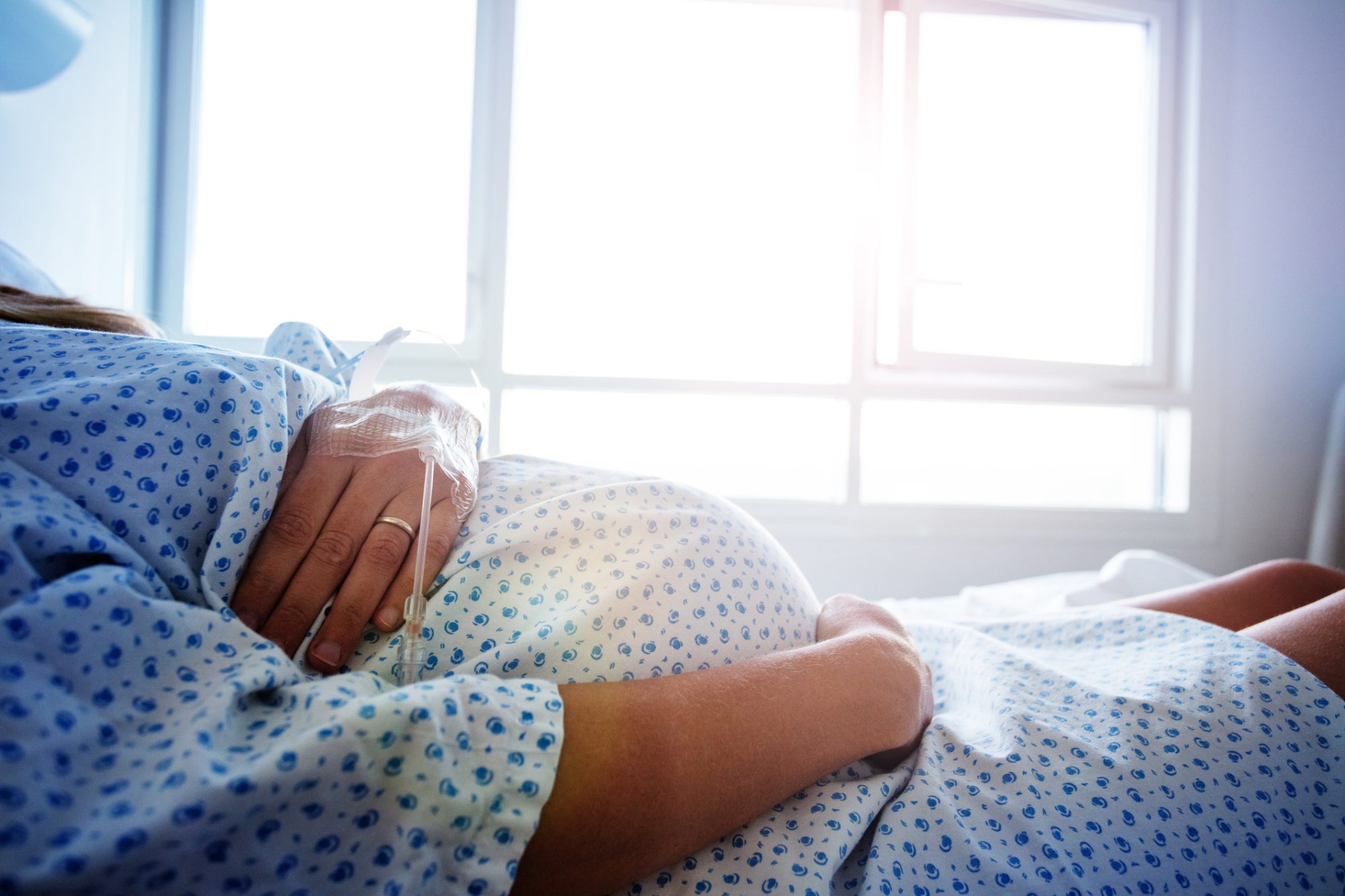
More women who are having children have been diagnosed with an autoimmune condition since the millennium. But why?
In a busy hospital room, a young mother cradles her newborn, her voice faint but determined as she discusses her journey through pregnancy laden with autoimmune challenges. With autoimmune conditions like lupus and Hashimoto’s thyroiditis on the rise among expectant mothers, the healthcare community is faced with an alarming question: what is driving this surge? Recent findings unveil a stark 4.7% increase in pregnant women diagnosed with autoimmune diseases since the turn of the millennium, shedding light on a neglected aspect of maternal health.
This pioneering study unveils the correlation between pregnant women and autoimmune diseases
Led by researchers from the University of Birmingham in collaboration with the Medical Research Council, the MuM-PreDiCT project meticulously analyzed electronic healthcare records spanning over two decades. The team documented more than 5.1 million pregnancies involving over 2.8 million women, focusing on the prevalence of 17 autoimmune diseases in pregnancies of women of reproductive age. The findings, published in Lancet Rheumatology, reflect critical insights into how autoimmune conditions intertwine with maternal health.
“This is the first time that this kind of study has been done, showing that there is a rise in autoimmune conditions in women that are becoming pregnant,” said Dr. Megha Singh, the lead author of the study. “We examined a wide range of autoimmune conditions, unlike any study previously conducted, and we found that these conditions, by and large, affect women.”
Understanding the landscape of autoimmune diseases
Among the significant discoveries, psoriasis emerged as the most common autoimmune disease among expectant mothers. The results showed that the prevalence of autoimmune diseases escalated from 3.5% in 2000 to 4.7% in 2021. Other conditions such as:
- Hashimoto’s thyroiditis
- Coeliac disease
- Graves’ disease
- Type 1 diabetes
displayed some of the steepest increases. The implications are dire, especially when considering the additional burden on public health systems.
The data also indicated disparities among different demographic groups. Women from less deprived areas had higher odds of being diagnosed with autoimmune diseases, while minority ethnic groups, particularly Black and Asian women, tended to have lower rates compared to their white counterparts. Furthermore, lifestyle factors emerged as significant players: ex-smokers, women with multiple pregnancies, and those grappling with coexisting conditions such as anxiety and diabetes showed significantly higher odds of autoimmune diagnoses during pregnancy.
Exploring the ‘why’ behind the rise
“There are likely to be a combination of factors driving the increase in autoimmune condition diagnoses before pregnancy,” Dr. Francesca Crowe, a senior author from the University of Birmingham, explained. “An awareness of conditions, along with differential access to healthcare, likely contributes to these findings, suggesting that the true scale of women’s health issues in pregnancy could be even higher.”
Additional studies have also highlighted the role of environmental factors, including pollution and dietary changes, which may be steadily heightening the risks of autoimmune disorders. Dr. Oliver Jensen, an immunologist at King’s College London, notes that “the interaction between genetic predisposition and environmental triggers cannot be ignored, and this evolving landscape makes our understanding even more critical.”
Policy implications and the road ahead
The repercussions of these findings extend well beyond individual health. They have a profound impact on healthcare delivery systems and policies that govern maternal care. “This important study will aid clinicians and policymakers to redefine existing care pathways,” said Prof. Krish Nirantharakumar, co-author from King’s College London. “By planning future health services for pregnant women with autoimmune conditions, we aim to achieve better outcomes for mums and their babies.”
The urgency for targeted healthcare interventions has never been more pressing. The implications for clinical practice include regular screenings for autoimmune conditions in pregnant women and the development of tailored treatment pathways to ensure optimal maternal and neonatal health outcomes.
As society grapples with this rising trend of autoimmune diseases among expectant mothers, the collective insights derived from this study emphasize the urgency for comprehensive healthcare strategies. By acknowledging the intricate web of physical and socio-economic factors influencing maternal health, we can work towards creating an environment where all expectant mothers have the support they need, paving the way for healthier futures for both mothers and their children.
Source: www.openaccessgovernment.org

