


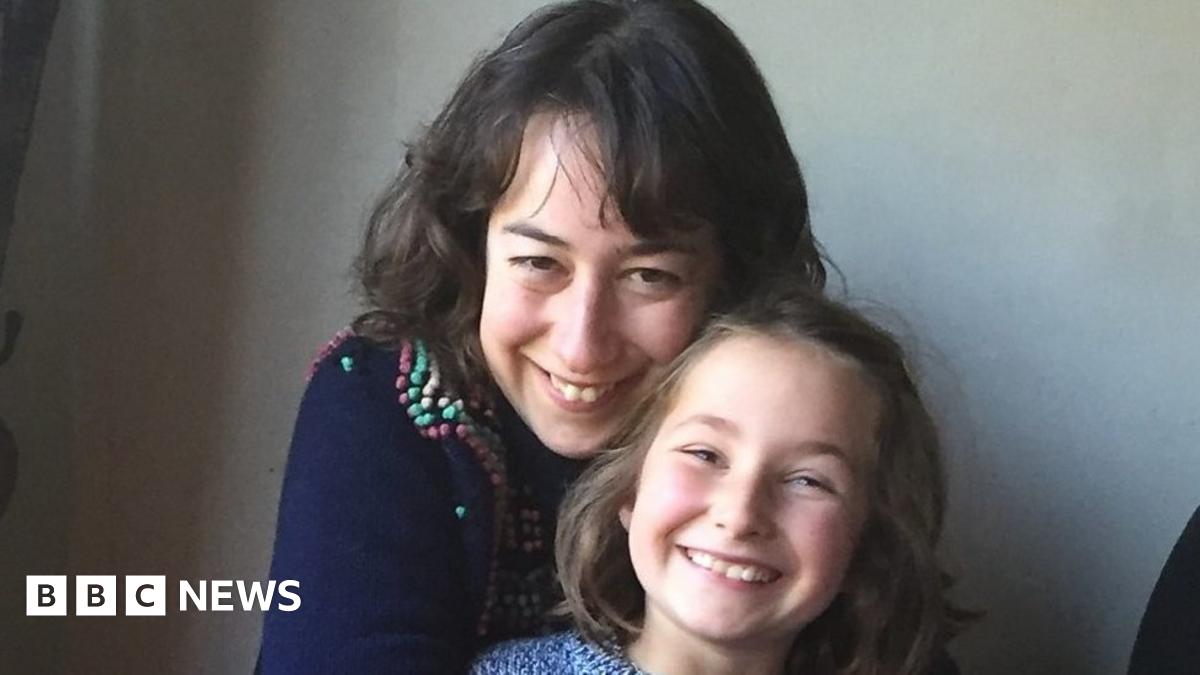
Merope’s Story: A Mother’s Fight Against Medical Indifference
As the summer sun dipped low in the sky, Merope sat beside her daughter’s hospital bed, feeling an unbearable weight in her heart. She recalled the moment she realized that all her maternal instincts and pleas for help were being dismissed. “It was a lot of blood… soaking her sheets,” she recounted, her voice a taut whisper. Her daughter Martha, just eight years old, had started to bleed from abdominal tubes—a chilling prelude to an unthinkable tragedy.
Ignored Warnings
Merope confronted doctors multiple times, expressing her palpable fear that Martha’s condition was deteriorating. “We started putting two and two together and began mentioning the word sepsis ourselves,” she remembered, casting a glance towards an empty chair in a hospital room that should have echoed with laughter instead of sorrow. Despite her daughter’s alarming symptoms, including severe bleeding and a troublesome rash mistakenly interpreted as an allergic reaction, Merope was repeatedly reassured: “It’s just a normal side effect of the infection.”
A Look at Sepsis: The Silent Killer
Sepsis is a severe and life-threatening response to infection that can rapidly lead to tissue damage, organ failure, and death. According to data from the Centers for Disease Control and Prevention (CDC), it affects around 1.7 million adults and results in over 250,000 deaths annually in the U.S. alone. “Sepsis is often misdiagnosed or overlooked, especially in children,” says Dr. Eliza Jordan, a pediatric emergency medicine specialist. “It’s a race against time. The earlier we treat it, the better the outcome.”
Despite Merope’s insistence that her daughter was on the brink of septic shock, her concerns were brushed aside. “They left her too long,” she lamented. Alarmingly, research by the Pediatric Intensive Care Society indicates that delays in recognizing and treating sepsis can lead to a fourfold increase in mortality rates.
The Final Hours
As the bank holiday weekend approached, tension grew. Merope feared that critical staff might be limited when they would be most needed. “I said to the consultant, ‘I’m worried about the weekend and she’s going to go into septic shock, and none of you will be here,'” she recounted, her tone laced with frustration. But her words were met with reassurances that felt increasingly hollow. The culmination of neglect became agonizingly clear when Martha experienced a life-threatening seizure while held in her mother’s arms. Only at that moment was she finally transferred to intensive care, but it was already too late.
- Severe bleeding from an arm and abdomen tube.
- Rash dismissed as an allergic reaction.
- Critical warning signs ignored despite mother’s pleas.
- Emergency transfer too late to save Martha.
The Shadow of Loss
In the days following that fateful transfer to Great Ormond Street Hospital, alarms rang loudly, but the race against time had already been lost. In a heart-wrenching moment of clarity, Martha confided to Merope, “It feels like it’s unfixable.” Those words hung in the air like a dark cloud, heavy with the knowledge of the impending doom that nurses and doctors could not prevent.
Voices of Change
Merope’s resolve to share her daughter’s story now burns fiercely. “I’m speaking out to avoid others going through the same agony,” she asserted, her eyes fierce with determination. She believes that patient voices must be amplified, as medical professionals too often operate in an echo chamber, resulting in tragic oversights.
Dr. Samir Patel, a leading healthcare policy expert, commented on Merope’s situation: “Patient empowerment in medical decision-making is vital. Their insights may uncover concerns that clinical assessments may overlook.” Merope’s story exemplifies this need for an overhaul in patient care dynamics, emphasizing that loving family members should never feel disempowered in advocating for their loved ones.
In the crucible of grief, Merope emerged as an advocate, propelled by a painful mission. Her daughter’s struggle illuminated a system riddled with flaws—one that failed to hear the silent cries for help. “Even if you give them the benefit of the doubt, the result is that we didn’t have control over her treatment,” Merope said, her voice nearly breaking. “This system must change, for our children’s sake.” In a society where medical negligence is often swept under the rug, Merope serves as a beacon of hope, urging us to listen more closely to the muted voices in the shadows of healthcare.
Source: www.bbc.co.uk

