


Research suggests reducing the biological age gap is linked to better brain health and lower stroke risk
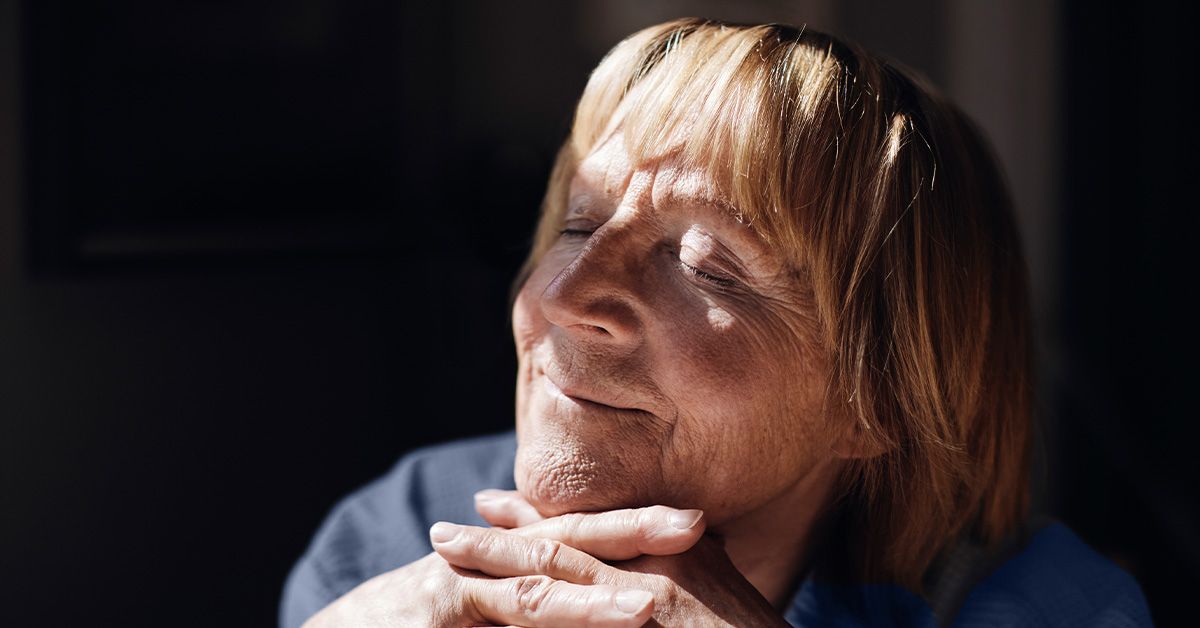
At 68, Maria Gonzalez can often be found tending her garden in the warmth of the morning sun. With vibrant flowers blooming around her, she embodies the essence of vitality. Yet Maria is not just nurturing her plants; she is nurturing her health. Recent studies reveal that individuals like Maria, who pay attention to their biological age gap—the difference between their chronological age and how their bodies function—may have a lower risk of strokes and cognitive decline.
Understanding the Biological Age Gap
The concept of biological age versus chronological age is gaining traction in medical circles. Chronological age is straightforward: it’s the number of years since your birth. Biological age, however, reflects how old your body truly is based on physiological functions. “The biological age gap is simply the difference between these two measures,” explains Dr. Cyprien Rivier, an instructor in Neurology at Yale School of Medicine. “Some people age biologically faster, while others may age slower than their chronological age implies.”
In a groundbreaking study, researchers analyzed data from over 258,000 individuals and examined 18 health-related biomarkers, including cholesterol levels and red blood cell volume. The findings suggest that those who actively improved their biological age gap reported a significant 23% reduction in stroke risk during follow-up assessments.
A New Lens on Brain Health
As Cyprien Rivier noted, “What intrigued us most wasn’t just the relationship between the biological age gap and health outcomes, but whether changes in this gap over time could predict future brain health.” With participants starting at an average chronological age of 56 and biological age of 54, a follow-up six years later showed encouraging progress. Those who improved their biological age gap not only reduced their stroke risk but also experienced decreased white matter hyperintensities—damaging markers observable in brain scans that link to cognitive decline.
The Science Behind the Numbers
The study revealed that a 13% reduction in white matter damage was associated with each standard deviation of improvement in biological age gap. “These hyperintensities accumulate over years and can signal an impending stroke or cognitive degradation,” Rivier elaborated. “Detecting early differences in brain imaging is critical, indicating that we might catch issues before symptoms manifest.”
While these findings are promising, experts like Dr. John Hanna, a neurologist at Atlantic Health, urge caution. “This study provides observational data,” he says. “The biological age metric is based largely on vascular and inflammatory markers. We could merely be observing improved control of vascular risk rather than a direct link between modifying biological aging and stroke prevention.”
- Regular exercise improves vascular health and mood.
- Avoid smoking and secondhand smoke.
- Adhere to a heart-healthy diet rich in vegetables, fruits, and whole grains.
- Manage blood sugar and cholesterol levels effectively.
- Monitor blood pressure, a leading contributor to stroke risk.
- Limit alcohol consumption.
- Prioritize adequate sleep and address conditions like sleep apnea.
- Engage socially and cognitively, treating issues like hearing loss or depression.
Taking Action for Health
For individuals aiming to narrow the gap between their biological and chronological ages, Dr. Dung Trinh from the Healthy Brain Clinic suggests that these lifestyle changes can yield significant benefits. “The link between improved biological age gap and better outcomes is encouraging and motivating,” he asserts. “What’s good for the heart is generally beneficial for the brain.”
What would it mean for society if such a seemingly simple concept could lead to widespread improvements in brain health? For many like Maria, it may transform the approach to aging. As we begin to realize the profound capacity for improvement lies not just in medical interventions but also in conscious lifestyle choices, the journey toward wellness can become a shared endeavor. With each garden tended, every meal thoughtfully prepared, and movement embraced, individuals may find not just a longer life but a healthier, more vibrant one.
Source: www.medicalnewstoday.com

