


Can the shingles vaccine help slow biological aging?
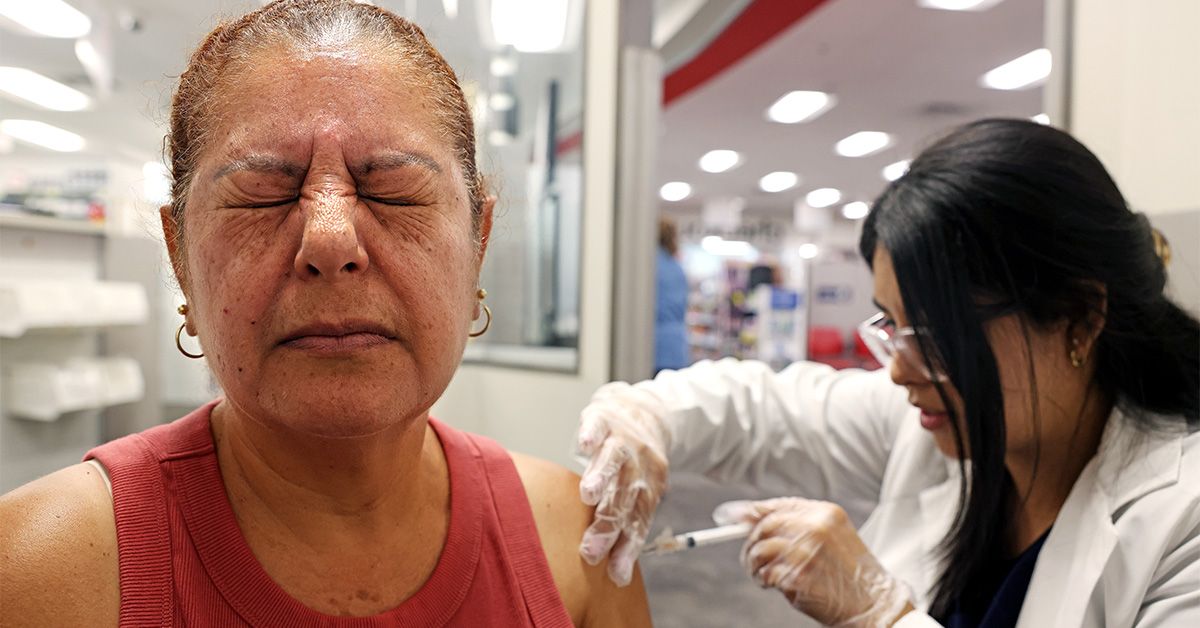
Elizabeth Gomez, a vibrant 54-year-old from Huntington Park, took a deep breath and tightly shut her eyes as she prepared to receive her shingles vaccine. With the pharmacy manager by her side, she wrapped her fingers around her arm, signaling her readiness to protect herself against a virus that can cause immense pain and long-term complications. But what if this simple act of prevention held even deeper implications? New research suggests that the shingles vaccine may not only shield against shingles but also potentially slow biological aging in older adults.
Understanding Biological Aging
As society grapples with an aging population, the discourse around longevity is evolving. Traditionally, aging has been measured chronologically—by the number of birthdays celebrated. However, a growing body of research emphasizes the distinction between chronological age and biological age, the latter determined by cellular and molecular health markers.
“Our aim isn’t just to extend lifespan but to enhance healthspan—the period during which individuals can live actively and with good health,” states Dr. Eileen M. Crimmins, a leading researcher from the University of Southern California. “Interventions that can potentially slow biological aging are critical for enhancing the quality of life in older adults.”
The Link Between Immunity and Aging
Recent studies have revealed that inflammation, often triggered by immune responses, is a key contributor to the aging process. Chronic low-grade inflammation can lead to various age-related diseases, including cognitive decline and cardiovascular issues. This insight has propelled scientists to explore the relationship between vaccinations and biological aging.
- Cognitive Function: Vaccinated individuals exhibit lower risks of dementia.
- Inflammation Markers: Those receiving the shingles vaccine show significantly reduced inflammation levels.
- Broader Impacts: Vaccination influences not just immunity but also biological processes linked to aging.
“Our study revealed that the shingles vaccination might serve as a double-edged sword; not only does it prevent infection, but it may also create favorable conditions across multiple biological systems,” adds Dr. Jung Ki Kim, research associate professor and first author of a pivotal study on this topic.
Research Findings and Implications
The recent investigation involved a comprehensive evaluation of seven biological aging parameters across various participants. The results were striking: those who had received the shingles vaccine demonstrated a slower overall biological aging profile compared to their unvaccinated counterparts. The implications of this are profound; the vaccine may be affecting multiple systems intertwined with the complex biology of aging.
“This correlation suggests that by preventing the reactivation of the shingles virus, we may also be mitigating the inflammatory processes that accelerate aging,” explains Crimmins. “It opens up a new frontier in our understanding of how vaccinations might contribute to healthier aging.”
However, Dr. David Cutler, a family medicine physician, emphasizes caution. “While the findings are intriguing, they remain observational. This means we must be wary of assumptions regarding causality,” he warns. “People who choose to be vaccinated may inherently have healthier lifestyles, making it difficult to draw direct correlations between vaccination and biological aging.”
Looking Ahead: The Future of Research
The quest to understand the relationship between the shingles vaccine and biological aging is just beginning. Experts advocate for further studies, including randomized control trials and longitudinal tracking to probe whether similar benefits are observed with newer, more effective vaccines like Shingrix.
“We need more comprehensive research across diverse populations to uncover actionable strategies that could help us live healthier longer,” Dr. Cutler suggests. “Insights gained could transform how we approach aging, moving from awareness to practical interventions.”
The Bigger Picture
As the global population ages, the intersection of immunizations and health outcomes becomes increasingly vital. The notion that a vaccine, primarily designed to prevent a viral infection, could also influence biological aging challenges conventional wisdom and invites a paradigm shift in healthcare.
“Our findings underscore how interconnected our biological systems are. The shingles vaccine may be a small part of a larger puzzle that explains healthy aging,” Kim concludes. In light of this new evidence, more individuals like Elizabeth Gomez may view their vaccination not only as a health necessity but as a proactive step toward achieving a longer, healthier life. The implications stretch beyond individual health, potentially influencing public health strategies worldwide as we endeavor to ensure that not just the years, but the quality of life in those years, can be improved.
Source: www.medicalnewstoday.com

