


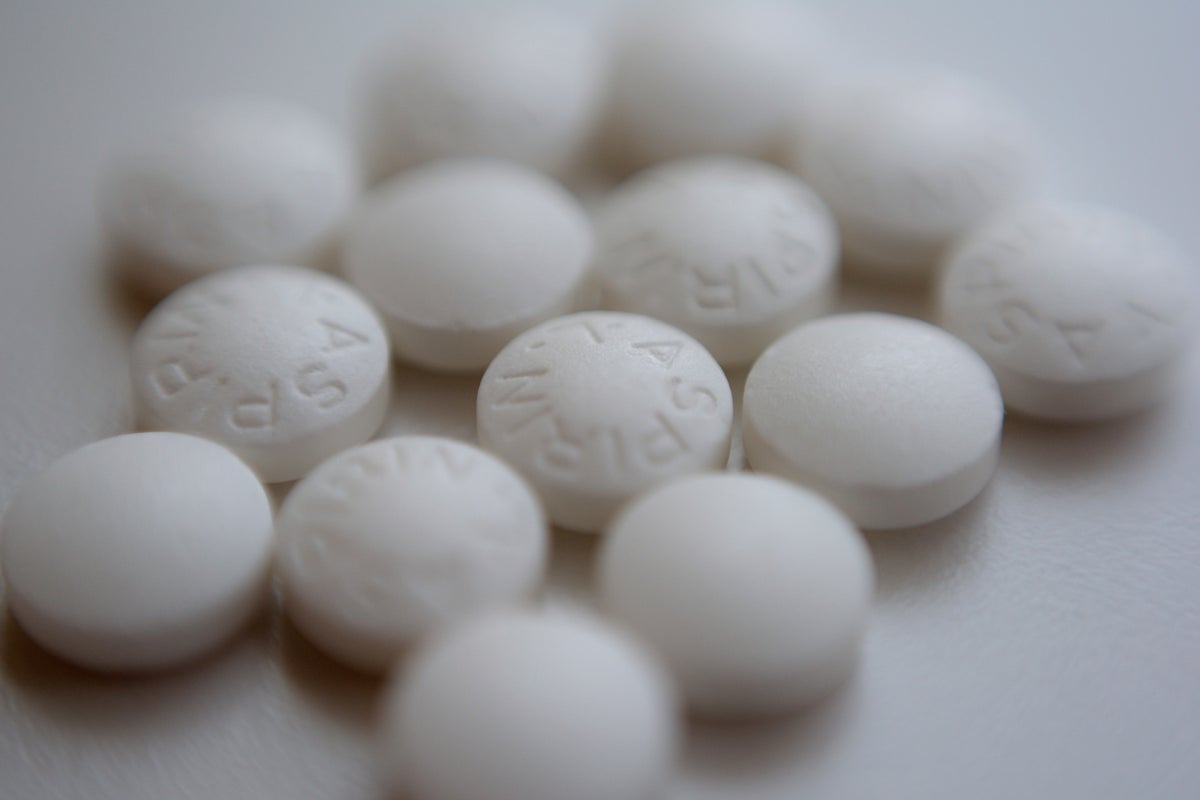
Britain’s Aspirin Crisis: A Life-Saving Medication in Short Supply
As John Edwards sat in his doctor’s office, the weight of uncertainty loomed heavily. Recently diagnosed with cardiovascular disease, he was prescribed low-dose aspirin, a crucial medication for preventing strokes and heart attacks. But as he approached the pharmacy counter, he learned the devastating news: “We’re out of stock. You’ll have to check back next week.” This distressing scene has become all too common across Britain, where a significant shortage of aspirin threatens vulnerable patients reliant on this lifesaving drug.
The Depth of the Shortage
The National Pharmacy Association (NPA) recently conducted a survey of 540 pharmacies nationwide, revealing that a staggering 86% had been unable to supply aspirin to patients within the last week. The 75mg strength, which is particularly vital for long-term treatment, is largely affected; however, all formulations are seeing shortages due to manufacturing delays and increased international demand.
Olivier Picard, chair of the NPA, expressed the urgency of the situation: “Pharmacies are forced to ration existing supplies, prioritizing patients most in need. Our concern is not just about the stock levels; it’s about the life and death implications for our patients.” This assessment is echoed by Dr. Leyla Hannbeck, chief executive of the Independent Pharmacies Association, who noted that “the reality is that the prices paid for many medicines by the NHS are so low that manufacturers prioritize supplying to other countries, leaving the UK pushed to the back of the queue.”
The Economic Fallout
The repercussions of these shortages extend beyond patient health into the realm of pharmacy economics. Prices for aspirin have surged dramatically—from just 18p last year to £3.90 per packet this month. To compound the issue, NHS reimbursement rates hover at £2.18 per packet, leaving pharmacies to absorb a loss of £1.72 for each transaction. This vicious cycle not only imperils the financial viability of many local pharmacies but also puts further pressure on affordable healthcare access.
- Manufacturing Delays: Interrupted production lines and supply chain issues have led to diminished stock.
- Export Bans: The UK government has introduced export restrictions to preserve domestic supply, a reaction to escalating demand.
- Financial Strains: Pharmacies are experiencing significant losses, threatening their continued operation.
The Broader Implications
The aspirin shortage is not merely a logistical headache; it has profound implications for public health. Aspirin plays a critical role in the secondary prevention of cardiovascular events, especially for individuals who have experienced heart attacks, strokes, or have conditions like angina. Medical professionals warn that the absence of this essential treatment could lead to increased morbidity and mortality rates among the already vulnerable populations.
“Our research indicates that even a temporary disruption in aspirin availability can significantly increase the risk of adverse cardiovascular events among high-risk patients,” stated Dr. Emma Bailey, a Cardiologist at the Royal London Hospital. “Patients who are prescribed aspirin must have uninterrupted access to it, as any lapses can be detrimental.”
Furthermore, the shortage is affecting diverse populations, such as those with chronic kidney disease, who also rely on aspirin to mitigate risks of cardiovascular complications.
A Call for Policy Reform
As the crisis deepens, experts are calling for urgent government intervention. “The current reimbursement model is fundamentally broken and needs to be re-evaluated to allow pharmacies the ability to operate sustainably,” stressed Picard. “In the meantime, patients should consult local pharmacies for guidance on alternative treatments while we navigate these troubling shortages.”
Hannbeck adds, “It’s vital that pharmacists are empowered to dispense alternatives when stock is unavailable. The bureaucracy around this issue is not just frustrating; it compromises patient safety.”
The situation necessitates a two-fold approach: addressing supply chain disruptions while simultaneously reforming reimbursement policies that hamper pharmacy operations. A recent hypothetical study by the Institute for Healthcare Reform projects that stabilizing the supply of key medications could save the NHS upwards of £500 million annually by reducing unnecessary hospitalizations.
Looking Ahead
In light of the escalating crisis, it remains unclear how long patients like John Edwards will have to wait for their prescriptions. While the UK government has implemented an export ban in a bid to safeguard domestic supplies, substantive solutions are crucial for restoring trust and stability in the healthcare system.
As health professionals and patients alike navigate this turbulent landscape, the urgency for comprehensive policy reform and actionable strategies to address medication shortages has never been more pressing. Only through concerted efforts can the UK healthcare system preserve its commitment to delivering essential medications and protecting public health.
Source: www.independent.co.uk

