


A New Hope: Reversing Mental Decline in Alzheimer’s with a Promising Drug
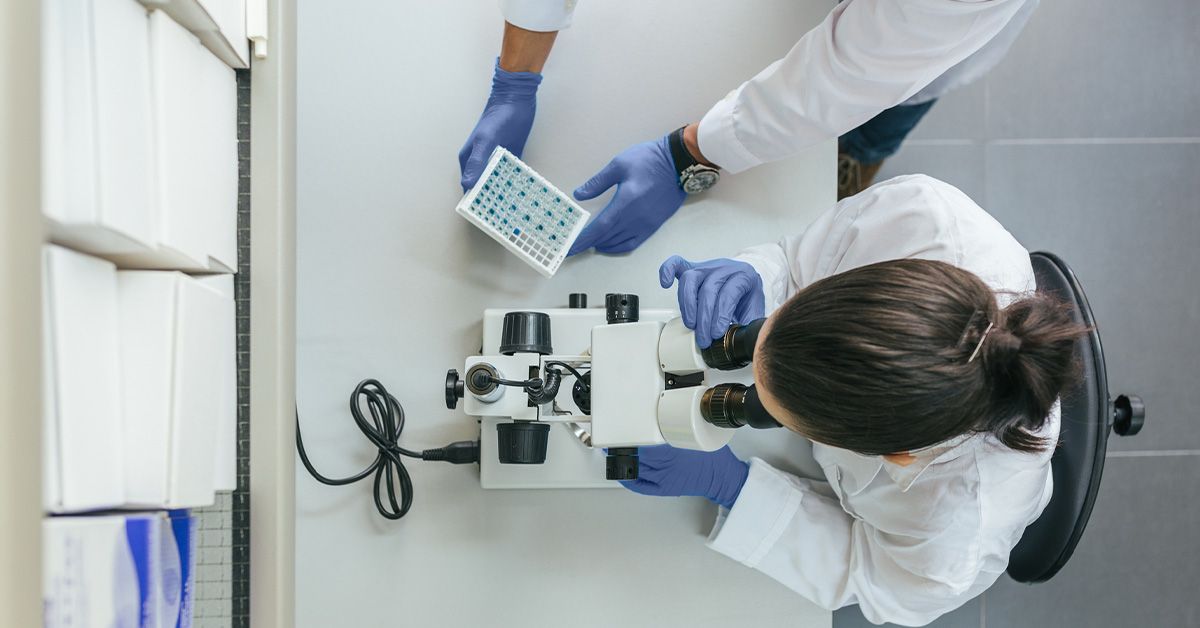
As the sun dipped below the horizon, painting the laboratory in hues of orange and pink, Dr. Andrew A. Pieper leaned over his microscope, his brow furrowed with concentration. Just weeks prior, his team at Case Western Reserve University had achieved what many had deemed impossible: they had discovered a compound that not only halted the progression of Alzheimer’s disease in advanced mouse models but significantly reversed cognitive decline. If these findings hold true for human applications, the implications could change the landscape of neurological medicine forever.
The Shift in Alzheimer’s Perspectives
For decades, Alzheimer’s disease has been viewed as an irreversible thief of memories and identities. Most research efforts have been directed toward stalling the relentless march of the disease rather than seeking to reverse its effects. Recent studies, however, challenge this long-held belief, presenting a tantalizing glimpse of hope. A groundbreaking study involving a neuroprotective compound drew attention worldwide, suggesting that restoring the brain’s energy balance could be vital in combating Alzheimer’s.
NAD+ and Its Critical Role
The compound in question centers around nicotinamide adenine dinucleotide (NAD+), an essential molecule in cellular functions, particularly energy metabolism and DNA repair. Dr. Pieper’s research indicates that NAD+ levels decrease with age, paving the way for an increased risk of age-related diseases, notably Alzheimer’s. This decline exacerbates the conditions within the brain, fostering oxidative stress, inflammation, and protein aggregation—all hallmarks of Alzheimer’s pathology.
- Age-Related NAD+ Decline: Natural levels of NAD+ diminish as individuals grow older.
- Impact on Alzheimer’s: Reduced NAD+ correlates with increased oxidative stress and neurodegeneration.
- Potential for Reversal: Research explores how restoring NAD+ can repair damage and recover cognitive functions.
The disturbing finding of a 30% reduction in NAD+ levels in human brain samples from Alzheimer’s patients heightened the urgency for actionable solutions. Dr. Pieper underscores the significance: “We found that brains from people and mice with Alzheimer’s show much larger disturbances in NAD+ homeostasis than normal aging causes. This imbalance might be driving the disease.”
Investigating P7C3-A20
The research team employed genetically engineered mice exhibiting the hallmarks of Alzheimer’s, particularly focusing on amyloid plaques and tau tangles that interfere with neuronal communication. While conventional treatments have faltered in reversing existing damage, Pieper’s team turned to a neuroprotective agent known as P7C3-A20, previously shown to promote recovery in traumatic brain injuries. “The idea was simple yet revolutionary: could P7C3-A20 enable similar recovery pathways in chronic Alzheimer’s?” Pieper explained.
P7C3-A20 works by recycling NAD+, preventing its excessive breakdown and thus bolstering energy levels in brain cells. This mechanism is pivotal in addressing both neuroinflammation and oxidative stress, which are central to Alzheimer’s pathology. The soothing effect of P7C3-A20 extends beyond mere energy restoration; it supports critical functions like DNA repair and synaptic health.
In an ambitious series of experiments, the research team found profound results: mice undergoing treatment with P7C3-A20 displayed marked improvements in cognitive performance and a restoration of biological integrity within the brain. “We observed significant renewal of the blood-brain barrier and a notable decrease in biomarkers of neuroinflammation and DNA damage,” said Dr. Sophia Martinez, a leading neuroscientist working alongside Pieper. “These findings are groundbreaking; they suggest that not only can we halt progression, but we can also reverse damage.”
Broader Implications and Future Directions
What unfolds from this research is not just a potential therapeutic avenue for Alzheimer’s but a challenge to the very notion that neurodegeneration is an irreversible fate. Dr. Marie Chen, an Alzheimer’s expert and collaborator on the study, noted, “This paper represents a significant leap in our understanding, paving the way for innovative strategies that target the root causes of Alzheimer’s.”
However, maintaining a cautious optimism is crucial. The study’s results, though promising, remain preliminary and necessitate further exploration through controlled human clinical trials. Pieper acknowledges this, stating, “While these results are encouraging, mouse data do not guarantee human success. Our next steps will be critical in establishing safety and efficacy for human applications.”
The study also sidesteps potential pitfalls associated with current NAD+ supplements, which have raised concerns regarding their safety and efficacy. Pieper explains, “Our method doesn’t merely supplement NAD+; it engages the body’s natural pathways to maintain balance, significantly reducing the risk of harmful side effects that could arise from elevated NAD+ levels.”
The excitement surging through the research community is palpable, yet filled with the sobering reminder of the road ahead. As Dr. Carrillo remarks, “The hope that this research inspires is undoubtedly significant. A world without Alzheimer’s may seem more tangible than it has in decades.”
As researchers like Pieper and his team press onward, they are not just chasing a scientific breakthrough; they are igniting a flicker of hope for millions worldwide. The prospect of not merely managing but possibly reversing the devastating effects of Alzheimer’s brings forth a narrative of resilience, innovation, and relentless pursuit of knowledge. The echo of that laboratory’s setting sun is a reminder that, sometimes, in the pursuit of understanding, light pierces through the darkest of clouds.
Source: www.medicalnewstoday.com

