


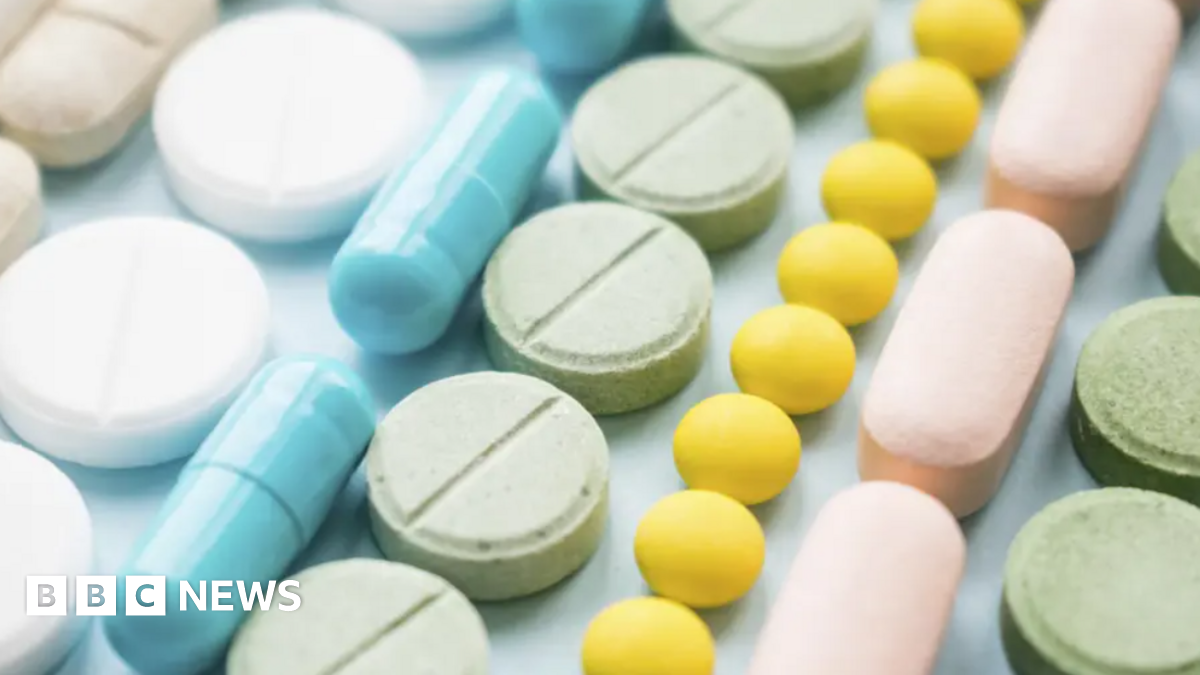
Black Market Medications Warning as Millions of Pills Seized
Last November, a routine traffic stop turned into a startling revelation when officers in Kentucky discovered a hidden stash of medications in a van: 2 million doses of counterfeit antibiotics en route to a local pharmacy. As the officers processed the scene, it became painfully clear that this was not an isolated incident. Over the past five years, government agencies across the globe have confiscated a staggering 57 million doses of unauthorized medication. This troubling trend highlights a burgeoning crisis in public health and safety, spurring officials, health organizations, and experts to warn of the perils of unregulated pharmaceuticals.
The Rise of the Black Market
While organized crime may conjure images of smugglers and neon-lit backrooms, the black market for medications operates more insidiously, often hiding in plain sight. Drug trafficking, previously dominated by illicit narcotics, has shifted gears to encompass a plethora of unauthorized medications. A 2022 report by the World Health Organization (WHO) emphasized that nearly 10% of medicines worldwide are counterfeit, many originating from unregulated online platforms.
Unveiling the Statistics
- 57 million doses of unauthorized medications seized globally over five years.
- One in ten medicines is estimated to be counterfeit by WHO standards.
- Online sales of pharmaceuticals have increased by 75% since the COVID-19 pandemic.
“The surge in counterfeit medications is not just an economic issue; it’s a matter of lives at stake,” explains Dr. Rebecca Lin, a public health expert at Stanford University. “Patients often remain oblivious to the fact that what they’re consuming could contain harmful substances or not even contain the active ingredient.” This lack of awareness is contributing to an alarming public health crisis.
The Human Cost
Casualties of this crisis often remain nameless and faceless. Consider the story of Samira, a 37-year-old mother of two who turned to an online platform for affordable medication to manage her chronic pain. After several weeks of using what she believed to be legitimate painkillers, she found herself experiencing severe side effects and ended up in emergency care. Lab tests revealed that her medication contained toxic fillers and no active ingredients at all.
Shared Experiences and Consequences
“I thought I was saving money, but I was putting my life in danger,” Samira recounted during a recent community health forum. Her experience, while extreme, resonates with a growing number of patients seeking cheaper alternatives. The allure of lower prices blinds many consumers, pushing them towards dubious sources that compromise their health.
In a survey conducted by the Global Health Awareness Coalition, 65% of respondents admitted to purchasing medication from online pharmacies, with a shocking 40% unaware of the potential risks. Dr. Emily Chen, a pharmacologist based in London, states, “Stakeholders across the healthcare spectrum have a role to play in educating the public about safe medication practices. Ignorance can be as dangerous as the counterfeit drugs themselves.”
Government Response and Regulations
In response to this looming crisis, various governments have ramped up efforts to tackle the black market proliferation. Initiatives such as the “Counterfeit Medicine Task Force” in the United States have started to mobilize law enforcement and health departments, focusing on both awareness campaigns and the interception of counterfeit shipments at borders. Yet experts like Dr. Lin argue that current measures are inadequate and need bolstering.
Need for Enhanced Collaboration
Countries must collaborate at an international level to effectively stamp out this issue, as unauthorized medications often cross borders with disturbing ease. A 2023 study by the International Pharmaceutical Federation revealed that multinational cooperation could reduce the circulation of counterfeit drugs by upwards of 30%.
“It’s not enough to act alone; we need a cohesive strategy,” urges Dr. Chen. “Governments must prioritize partnerships with technology companies to track and trace medications from factory to pharmacy.” This novel approach could leverage technology such as blockchain to create transparent supply chains that both enhance safety and deter illicit trading.
Public Awareness and Education Initiatives
Perhaps the most crucial aspect in the fight against the black market is education. NGOs and public health officials are now more focused than ever on raising awareness about the dangers of purchasing medications from unauthorized sources. Campaigns targeting urban and marginalized communities are showing promise, emphasizing not only the risks but also how to identify secure and verified pharmacies.
Effective Strategies
Research conducted by the Epidemiology and Public Health Institute indicates that awareness campaigns can lead to a 20% decrease in the purchase of counterfeit medications. Key strategies include:
- Community workshops on safe medication practices.
- Using social media influencers to reach younger audiences.
- Collaborating with health care providers to distribute informational materials.
Communities must be made aware of reliable resources for obtaining medications. Dr. Lin emphasizes, “We can’t expect the average person to understand the complexities of pharmaceuticals. The simpler we can make this information, the more lives we can save.”
As the war against black market medications escalates, the stakes grow higher; consumers must become vigilant guardians of their health. In a world where the next dose could be a matter of life or death, the collective action of governments, health organizations, and the public can help navigate a route away from counterfeit peril and towards a healthier future. The narrative of Samira, while harrowing, triggers an urgent call to action, pushing for a collective responsibility in safeguarding global health—before it’s too late.
Source: www.bbc.co.uk

