


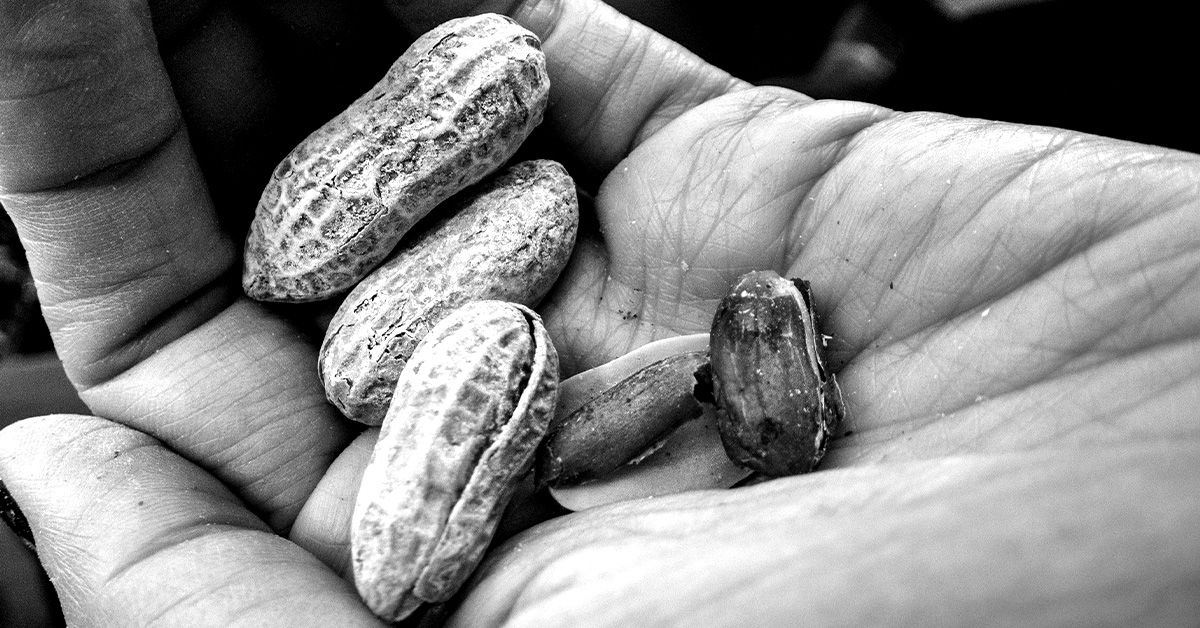
Eating Peanuts May Help Boost Brain Health in Older Adults
In a sunlit kitchen in rural Pennsylvania, 70-year-old Margaret Thompson crushes roasted peanuts into her salad, each crunch punctuating stories of family gatherings and summer picnics. “These little guys have been a part of my life for as long as I can remember,” she says, her eyes sparkling with nostalgia. What Thompson may not realize is that her cherished snack might play a role in sharpening her mind as she ages.
A Promising Study from Maastricht University Medical Center
Recent research from Maastricht University Medical Center in the Netherlands has unveiled remarkable findings regarding the impact of peanuts on brain health. With Alzheimer’s disease projected to affect over 7 million Americans by 2025, understanding dietary influences has taken on heightened significance. The study focused on the effects of consuming skin-roasted peanuts on older adults’ cognitive functions.
Involving 31 healthy participants aged 60 to 75, the research showcased a robust crossover design, which allowed volunteers to experience both a control phase—void of any nuts—and a test phase in which they consumed 60 grams of unsalted, skin-roasted peanuts daily.
Key Findings
- Improved Cerebral Blood Flow: Cerebral blood flow increased by an impressive 3.6% on average, while blood flow in gray matter rose by 4.5%.
- Enhanced Memory Functions: Participants experienced a slight upturn in verbal memory, recognizing one more word accurately than during the control phase.
- Lower Blood Pressure: Systolic blood pressure fell by 5 mmHg on average, a vital statistic indicating reduced cardiovascular risk.
As highlighted by Dr. Tommy Wood, a Seattle-based neuroscientist, these findings underscore the compelling connection between dietary choices and cognitive health. “Foods rich in polyphenols can support or improve vascular health and function,” he states, emphasizing the broader implications of such dietary studies.
The Mechanics of Brain Health
The study’s authors suggest that the increased blood flow could significantly affect areas of the brain responsible for memory and decision-making. With cerebral blood flow contributing essential oxygen and nutrients, the potential link between peanut consumption and enhanced cognitive function is difficult to dismiss. “The frontal lobe, tied to higher-level processing, showed marked improvement,” notes Dr. Edmond Hakimi, an internal medicine physician. “This suggests a promising avenue for dietary interventions in cognitive decline.”
By focusing on skin-roasted peanuts, the researchers tapped into the extra fiber, protein, and antioxidants found in the skins, expanding the nutritional profile and benefits associated with these legumes. “We’ve known for years that fruits and vegetables boost heart health, but this study shines a light on how specific foods can support brain function,” says Dr. Julia Kresevic, a gerontologist specializing in nutritional neuroscience.
Limitations and Future Directions
While the results are undeniably promising, the study is not without its caveats. The relatively small sample size may limit the statistical power, prompting experts to call for further research across diverse populations. Dr. Wood echoes this sentiment: “While the design is strong, additional studies will help solidify these findings and elucidate the long-term benefits.”
Dr. Hakimi also notes that incorporating similar foods, such as dark chocolate and tree nuts, could offer comparable benefits for those allergic to peanuts. “Diversifying the diet is crucial,” he advises, underlining the importance of exploring various avenues to bolster brain health.
A Lifelong Snack with a Purpose
For many like Margaret Thompson, peanuts are more than just a crunchy treat; they conjure memories and foster connections. As she sprinkles them onto her salad, she may be nourishing not just her body but also her mind. “If something I love can help keep my mind sharp, then why not?” she smiles, fully embracing the delicious possibility of this humble nut.
The evolving narrative of peanuts as a potential ally in our quest for cognitive longevity is compelling. As ongoing research continues to unravel the intricate relationship between diet and brain health, the hope remains that simple lifestyle choices may wield powerful effects against cognitive decline. Such findings not only offer a glimmer of optimism for those facing Alzheimer’s but also pave the way for future investigations into the untapped potential of natural foods in preserving mental acuity.
Source: www.medicalnewstoday.com

