


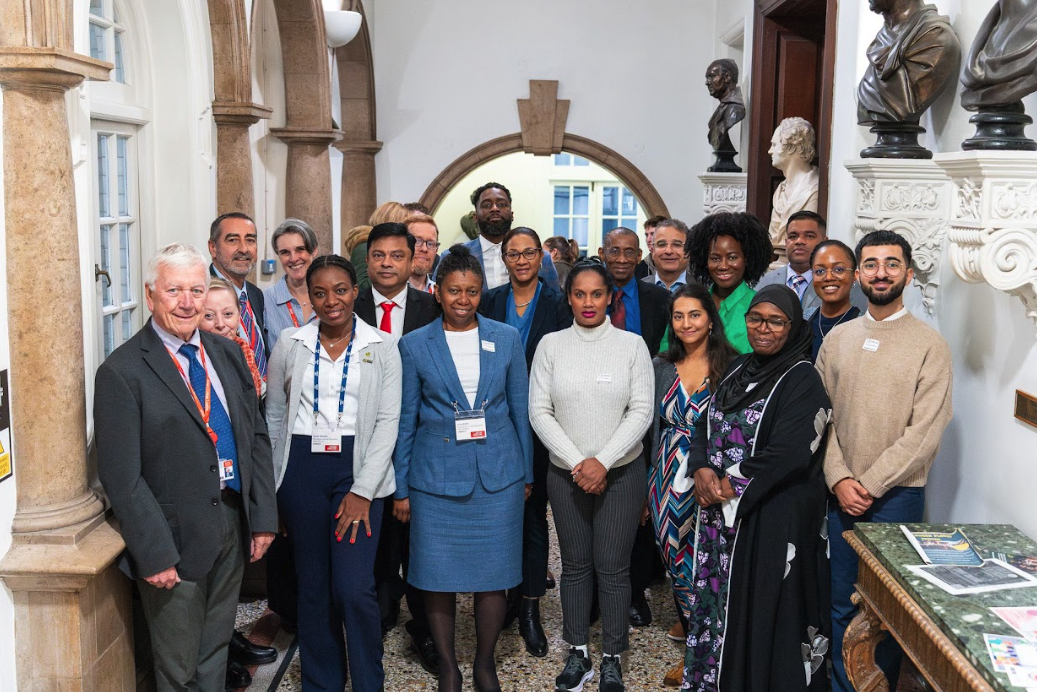
UK-Caribbean Life Sciences and Regulatory Trade Mission: A Leap Toward Health Modernization
As senior health officials from Barbados mingled with counterparts from across the Caribbean in London, a palpable sense of urgency hung in the air. This historic gathering wasn’t just another meeting; it was a critical intersection where innovative health care met regulatory reforms. Delegates from Barbados, wearing their commitment to enhancing public health systems like a badge of honor, engaged passionately at the inaugural UK-Caribbean Life Sciences and Regulatory Trade Mission, which aims to reshape the future of healthcare access in their region.
A Vision to Modernize Healthcare
The timing of this mission couldn’t be more crucial. The Caribbean has faced considerable challenges in healthcare delivery, with many nations grappling to modernize their systems and enhance access to safe medications. As Simon Mustard, the UK High Commissioner to Barbados and the Eastern Caribbean, articulated, “This mission shows how UK-Caribbean collaboration strengthens health systems and drives economic growth.” The backing of the UK is seen not merely as support but as an essential lifeline for Caribbean nations striving for a robust healthcare infrastructure.
Harnessing Expertise for Transformation
The four-day mission convened leading UK institutions and Caribbean regulators with a singular focus: to share expertise in pharmaceutical regulation and innovative health care policies. Noteworthy participants included the Medicines and Healthcare products Regulatory Agency (MHRA) and King’s College London. Discussions concentrated on:
- Streamlining drug registration processes
- Adopting international regulatory standards
- Enhancing efficiency within regulatory frameworks
- Integrating cutting-edge digital technologies into health systems
Maryam Karga-Hinds, interim director general of the Barbados Medical Products Authority, expressed optimism, asserting, “We return to Barbados with strengthened knowledge, deeper partnerships, and a shared commitment to ensuring equitable access to safe, effective medical products for every Caribbean citizen.” This sentiment was echoed by D’Jamila Ward, Regional Trade Director for the Commonwealth Caribbean at the DBT, who remarked that the mission marks a significant leap in addressing the regulatory challenges hindering access to essential medicines across the Caribbean.
Addressing Regulatory Hurdles
For years, inefficient regulatory processes have acted as formidable barriers to medication accessibility in Caribbean nations. Studies from the Caribbean Public Health Agency (CARPHA) show that delays related to drug approvals can extend beyond 18 months, compared to an average of three months in the UK. These gaps not only impede timely patient care but also deter foreign investment in regional healthcare systems.
“We see this collaboration as an opportunity to align our regulatory practices with international standards, thus fostering a more attractive environment for investment in our healthcare sector,” said Lindsay Bynoe, assistant director and pharmacist at the Barbados Drug Service. This call for alignment resonates with the broader, evidence-based argument that improving healthcare systems leads to better economic productivity across sectors.
A Collaborative Future
The potential for cross-border partnerships has never been more evident. By leveraging Britain’s globally recognized regulatory frameworks, Caribbean nations aim to cultivate innovation within their pharmaceutical sectors. “By combining British expertise in healthcare and life sciences with the commitment of Caribbean regulators, we can create more efficient frameworks that protect patients,” said D’Jamila Ward.
Furthermore, as the mission concluded, experts anticipate that this partnership could pave the way for future collaborations, focusing on:
- Regulatory reform
- Investment opportunities
- Digital health integration
The Bigger Picture
While the mission achieved immediate goals, its broader implications are multi-layered. Health is no longer seen as an isolated domain but as interconnected with economic growth, social stability, and long-term resilience. The collaboration shines a light on a dual strategy: improving healthcare while also bolstering economies in the Caribbean.
The UK’s commitment to nurturing these alliances exemplifies a progressive approach to international relations. The data heavily supports this strategy. According to a 2022 report by the World Bank, nations that prioritize health collaborations experience a growth rate increase of 1.5% compared to those that do not.
In an era increasingly defined by health challenges—from pandemics to chronic diseases—this mission underscores an urgent commitment to shared futures. “These frameworks are not just about healthcare—they underpin resilience and long-term partnerships that benefit everyone,” emphasized Mustard, highlighting that the road ahead is laden with potential.
The Caribbean’s resolute aim for modern healthcare systems is no small feat. As participants returned home, they carried with them not just knowledge but a renewed hope and a vision for a healthcare future that is equitable and innovative. The mission has set in motion a transformational movement, fostering not only a well-regulated pharmaceutical environment but also a more resilient and empowered Caribbean populace.
Source: barbadostoday.bb

