


Unraveling the Global Cancer Crisis: Obesity, Inflammation, and Mortality
As the sun dipped below the horizon in a small town in Wisconsin, a local health clinic buzzed with activity. Patients filled the waiting room, many suffering from conditions linked to obesity—a harbinger of deeper health crises. One by one, they shuffled into the examination rooms, each carrying the weight of societal expectations and personal battles. Among them was Claire, a 45-year-old woman grappling with a recent diagnosis of breast cancer. “I never thought this would happen to me,” she whispered, eyes glistening with tears. Little did she know, Claire’s struggles were part of a broader global phenomenon, a silent epidemic that links obesity with increasing rates of cancer and mortality worldwide.
The Statistics: A Grim Reality
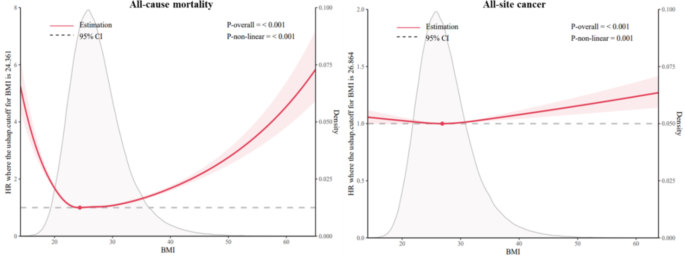
According to the GLOBOCAN 2020 report, cancer is now the second leading cause of death globally, responsible for nearly 10 million deaths in 2020. Among the various risk factors, the correlation between body mass index (BMI) and cancer incidence has emerged as a vital focus. A study published in the Cancer Journal for Clinicians documented alarming trends—higher rates of obesity and, subsequently, higher cancer rates—particularly in countries where traditional diets have been supplanted by high-calorie, processed foods.
“The statistics are sobering,” says Dr. Sarah Lachman, an oncologist at the National Institute of Health. “We’re facing a perfect storm: more people are becoming obese, and with that comes an escalating risk of cancer.” Dr. Lachman’s assertion is supported by multiple studies revealing that excess body fat is not just a personal health concern; it’s a public health crisis.
Inflammation: The Invisible Underbelly
The connection between obesity and cancer doesn’t end at mere statistics. Chronic inflammation, often a byproduct of excess body fat, plays a pivotal role in tumor development. A systematic review published in the Lancet identifies inflammation as a link between obesity and cancer progression, suggesting that it alters the immune response and promotes tumor survival. This vicious cycle complicates the fight against cancer, leaving patients vulnerable.
- Chronic Inflammation: A key player in tumorigenesis.
- Insulin Resistance: A condition often found in obese patients that can lead to increased cancer risk.
- Immune Suppression: Obesity can inhibit the body’s ability to fend off cancers.
“We’re beginning to understand that the immune system behaves differently in obese individuals, responding in a way that can inadvertently support tumor growth,” explains Dr. Igor Markov, a researcher at the International Agency for Research on Cancer (IARC). His findings align with a recent meta-analysis indicating that systemic inflammation increases cancer risk through metabolic pathways.
Policy Implications: A Call to Action
Despite the evolving understanding of these links, public health policies lag behind. Governments around the world are inching toward regulations addressing obesity, but the solutions must be holistic and inclusive. “We cannot simply focus on treatment; we need to emphasize prevention through better nutrition and exercise,” argues Dr. Emily Raines, a public health policy expert.
Comprehensive strategies could include:
- Enhanced nutritional labeling on processed foods.
- Increased subsidies for fruits and vegetables, making healthy food accessible to all.
- Community programs aimed at promoting physical activity.
According to the Lancet’s findings on non-communicable diseases, appropriate interventions could notably reduce mortality rates linked to both obesity and cancer, aligning with the United Nations’ Sustainable Development Goal 3.4 to reduce premature mortality from non-communicable diseases.
A Community Approach
In many cities, grassroots initiatives are combating these trends. Local organizations are creating supportive environments where physical activity is encouraged, and nutritional education becomes a priority. For example, the “Eat Fresh, Live Well” program in Seattle teaches community members how to incorporate healthier food options into their diets while engaging in daily activities that promote health.
“This isn’t just a medical issue; it’s a social and economic one. The more holistic our approach, the better our outcomes will be,” says Maria Gonzalez, a coordinator for public health initiatives in urban areas.
Future Considerations: What’s Next?
The path forward is fraught with challenges, yet filled with potential for progress. Ongoing studies like the one conducted by Dr. Markov’s lab aim to delve deeper into the molecular mechanisms by which obesity influences cancer. “We’re not merely looking at associations anymore; we’re mapping out causal pathways,” he adds, hinting at a future where targeted therapies could mitigate these risks.
Through both individual and collective efforts, the hope remains that stories like Claire’s will transform into narratives of survival and resilience. By harnessing the power of community, science, and policy, the world stands at the precipice of a profound change in how it tackles the intertwining challenges of obesity and cancer.
Source: www.nature.com

