


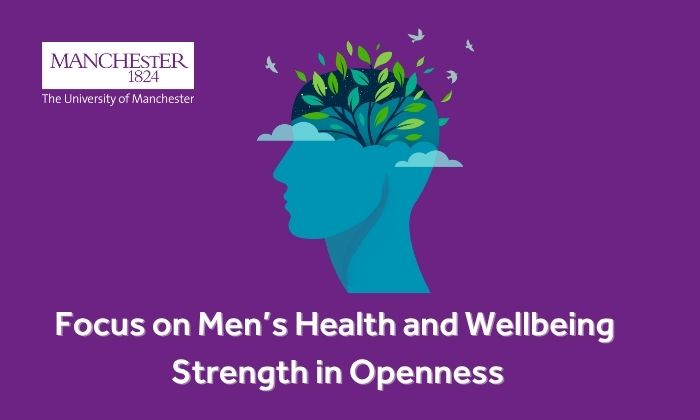
Join This Important Conversation and Sign Up for Our Men’s Health Panel Event
On a crisp autumn morning, as the golden leaves carpet the streets, a group of men gathers in a cozy café in Manchester, united by a powerful purpose: to share their stories. Each one carries the weight of societal expectations, silent struggles, and the unrelenting pressures of modern life. In a world where vulnerability is often perceived as weakness, some refuse to let stigma dictate their narrative. These conversations matter, especially as November approaches—a month dedicated to bringing men’s health issues into sharper focus.
The Context: Men’s Health in the Spotlight
November is a significant month for men’s health campaigns worldwide, marked by milestones like International Men’s Day on November 19 and Movember, a movement aimed at raising awareness of prostate cancer, testicular cancer, and mental health issues. This year, the theme “Strength in Openness” emphasizes the importance of discussing men’s mental and physical health outside the realm of statistics. According to a study by the Institute for Men’s Health, 1 in 8 men experiences mental health challenges, yet 50% of them don’t seek help due to societal stigma surrounding vulnerability.
“The old adage that ‘men don’t talk’ is deeply rooted in our culture,” explains Dr. Samuel Reyes, a psychologist specializing in men’s health. “Breaking the silence starts with creating safe spaces where men feel empowered to share their experiences.” This observation underscores the need for initiatives like the upcoming panel discussion, “Strength in Openness: A Panel Discussing Men’s Physical and Mental Health at Work,” hosted by the Colleague Wellbeing and Equality, Diversity, and Inclusion Teams on November 26.
Creating Safe Spaces
The panel, which will take place from 12:00 to 13:15 at Coupland 1_G.38, is designed to provide a platform for open and honest dialogue among men and their allies. With experts and colleagues sharing their insights, the event aims to tackle a range of pertinent issues:
- The unique pressures men face in relation to work, family life, and personal wellbeing.
- The stigma surrounding men’s mental health that keeps many silent.
- Practical strategies for building workplaces that actively support men’s health and wellbeing.
As workplace environments increasingly focus on holistic wellbeing, the impact of mental health challenges on productivity cannot be ignored. A survey by the Workplace Mental Health Institute revealed that men who reported high stress levels were 34% less productive and more likely to take absenteeism. Such data not only highlights the urgency of the conversation but also points to the mutual benefits of addressing these issues openly—an opportunity for both employees and employers alike.
Beyond the Numbers: Real Stories, Real Impact
Panel events like these play a vital role in changing the narrative around men’s health. Jason, a participant in a recent men’s health initiative, shares, “For so long, I felt trapped in my own head. Talking about my struggles with depression felt almost taboo. But once I started sharing my experiences, I realized there are so many others in the same boat.”
Jason’s story resonates with many, highlighting the profound impact that open conversations can have. “Men need permission to feel,” asserts Dr. Maya Thompson, a prominent advocate for men’s mental health. “When we create an environment where men can express their vulnerabilities, we not only improve their wellbeing but also enrich the community as a whole.” Her insights are pivotal as we navigate through challenges that often go unaddressed.
The Importance of Inclusivity
Importantly, the panel is not a men-only affair. “This conversation must be inclusive, extending to allies and leaders,” says Luke Adams, a representative from the Equality and Diversity Team. “All genders have a role to play in fostering an open dialogue surrounding men’s health.” By inviting everyone, the initiative aims to build a supportive network, breaking down barriers and encouraging a culture of understanding.
Throughout the event, attendees will explore not just the obstacles but also the opportunities for innovation in workplace policies. Whether through mentorship programs or employee resource groups, cultivating a culture that prioritizes mental health can lead to transformative outcomes, both personally and professionally.
Research indicates that workplaces that actively promote mental health resources experience a 25% increase in employee satisfaction. This relationship between wellbeing initiatives and productivity serves as a compelling argument for organizations to invest time and resources into men’s health discussions. “The goal is not just to talk,” says Dr. Reyes, “but to actively implement change that resonates long after the conversation ends.”
As the upcoming event approaches, it serves as a reminder of the critical role open conversations can play in reshaping perceptions of men’s health. The narrative must evolve from one dominated by stigma and silence to one that celebrates vulnerability and strength. The path forward requires courage, not just from those who share their stories but from those who will listen, support, and advocate for change.
Source: www.staffnet.manchester.ac.uk

