


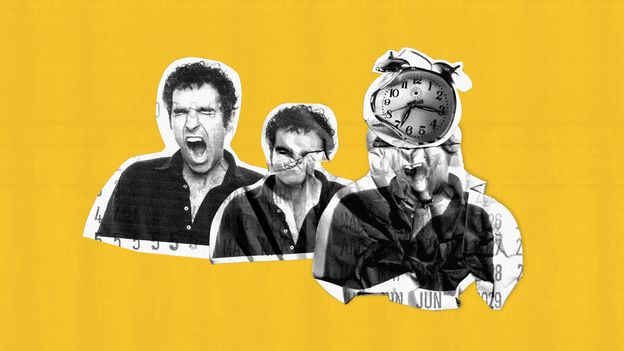
Daylight Saving Time: The Hidden Costs of an Hour Lost
As the clock strikes 2 AM on the second Sunday of March, millions of people across the United States reluctantly turn their clocks forward an hour. In a single sweep, they lose not just time but precious sleep. For many, this annual ritual is a trifling inconvenience; for others, it marks the beginning of a week fraught with sleep deprivation and disorientation. A 2024 study involving over 11,000 individuals in the UK revealed that this seemingly small change in routine could have far-reaching consequences on sleep quality and overall health.
Understanding the Impact of Sleep Loss
The study found that on the Sunday following the springtime clock changes, the average sleep duration plummeted by 65 minutes compared to the previous week. While some may have been able to catch up on sleep in the days that followed, the initial disruption set in motion a cascade of effects. Professor David Ray, co-director of the Sir Jules Thorn Sleep and Circadian Neuroscience Institute at the University of Oxford, offers insight into this phenomenon:
“Left to themselves, our internal circadian clocks naturally align with the light-dark cycle, so the only problem comes if you start arbitrarily defining time based on a clock. You might think that losing one hour of sleep is insignificant, but large numbers of people can lead to substantial consequences,” Ray explains.
The Science Behind Circadian Rhythms
Our biological clocks, or circadian rhythms, play a crucial role in regulating sleep patterns, mood, and even metabolism. When we adjust our clocks for Daylight Saving Time (DST), we disrupt this natural alignment. Ray emphasizes how this misalignment can lead to more than just grogginess:
“When people operate against their internal clocks, it creates a mismatch that can lead to sleep fragmentation, increased stress, and even higher susceptibility to chronic diseases,” he notes.
Who Suffers the Most?
Interestingly, it’s not just your average sleeper feeling the sting of the hour lost. Shift workers and those who already struggle with sleep disorders are particularly vulnerable. These individuals often “live their lives against the clock,” making the transition to DST a more chaotic experience.
- Shift Workers: Frequently changing schedules can exacerbate the negative effects of sleep loss.
- Parents of Young Children: The disruptions to sleep habits can lead to mounting exhaustion.
- Individuals with Sleep Disorders: Pre-existing conditions like insomnia or sleep apnea can worsen post-DST.
Cumulative Effects of Sleep Loss
While one might expect a return to normalcy after a few nights, research indicates that the ramifications of lost sleep can linger longer than anticipated. A study published in the Journal of Sleep Research shows that sleep patterns remain disrupted for at least a week following the clock change.
Dr. Lisa D’Ambrosio, a sleep researcher at Columbia University, elaborates on the cumulative effects:
“Our bodies have a difficult time recovering from sleep debt. Even if we attempt to catch up on weekends, the delayed sleep phase can result in decreased performance, impaired cognitive function, and increased irritability, affecting both personal and professional lives,” she explains.
The Global Perspective
Daylight Saving Time is not just an American phenomenon; it is observed in various forms around the world. In the European Union, clock changes impact millions, igniting discussions about whether to abolish the system altogether. As many countries grapple with balancing light and productivity, the debate on DST’s relevance in a modern world continues to evolve.
Alternatives to Daylight Saving Time
In light of the emerging research, several countries and regions are exploring alternatives to DST. Here are some suggestions that are gaining traction:
- Standard Time Year-Round: Maintaining a consistent time throughout the year eliminates the need for clock changes.
- Regional Trials: Pilot programs could assess the impact of different time management strategies on local populations.
- Flexible Work Hours: Employers might consider adjusting working hours to better align with employee circadian rhythms.
A Future Without Disruption?
As society becomes increasingly aware of the implications of sleep deprivation, the future of Daylight Saving Time remains uncertain. The emerging consensus from scientists and health experts highlights not only the need for a reevaluation of DST practices but also the importance of prioritizing sleep as an essential element of well-being.
While losing that one hour may seem trivial, the broader effects ripple across health systems, economies, and everyday life. Schools, workplaces, and governments must take heed of these findings, not merely as academic exercises but as urgent calls to action. As our world embraces more flexible lifestyles and working arrangements, understanding and optimizing our relationship with sleep may very well be the key to unlocking a healthier and more productive future.
Source: www.bbc.com

