


Who is at risk of serious illness from Covid-19?
As the sun rose over a small hospital in the heart of East London, a flurry of activity unfolded within its walls. Despite the widespread availability of vaccines, elderly patients and those with underlying health conditions filled the ICU—each one facing a battle against a virus that has claimed millions of lives worldwide. While many individuals experience only mild symptoms from Covid-19, for some, the journey can lead to severe illness, complicating not just their health but their families’ lives as well.
Identifying Vulnerable Populations
A closer examination reveals who suffers most gravely from Covid-19. According to a recent study by the Global Health Institute, individuals aged 65 and older are at markedly higher risk, exhibiting a 20% increased likelihood of hospitalization compared to younger populations. Dr. Helen Roberts, a leading epidemiologist, states, “Age is a primary risk factor; however, it’s intertwined with other comorbidities that amplify the danger.” Here are key demographics noted for heightened risk:
- Individuals over the age of 65
- Those with chronic respiratory diseases, including COPD and asthma
- People suffering from cardiovascular ailments, such as heart failure or hypertension
- Diabetics, particularly those with poor glucose control
- Immunocompromised individuals, including cancer patients and organ transplant recipients
These categories intersect in profound ways, creating a tapestry of vulnerability. Professor John Lee, a health policy expert, emphasizes, “Understanding these intersections helps refine our public health strategies and vaccination outreach.”
Symptoms and Monitoring
The symptoms of Covid-19 often mirror those of colds and flu, complicating the initial stages of diagnosis. The NHS identifies a suite of common symptoms that range from a high fever and persistent cough to fatigue and loss of taste or smell. Notably, symptoms can persist, leading to long Covid—an insidious condition affecting nearly 10% of those infected. “Long Covid can present itself in myriad forms, affecting both physical and mental health,” notes Dr. Sarah Minh, a clinical researcher focusing on post-viral syndromes.
When to Seek Medical Assistance
The guidance for seeking medical help can often feel nebulous amidst changing protocols. If symptoms escalate, or if there’s concern regarding breathing difficulties, then immediate action is required:
- Call 111 if your symptoms worsen or you’re concerned about your breathing.
- Seek emergency care by calling 999 if you experience sudden chest pain, feel unable to breathe, or faint.
Managing Covid-19 at Home
For those experiencing mild symptoms, self-care strategies become crucial. Recommendations from healthcare professionals emphasize rest, hydration, and nutrition. Warm beverages, including soups, can be comforting and energizing, whereas avoidance of caffeine and sugary foods can enhance recovery.
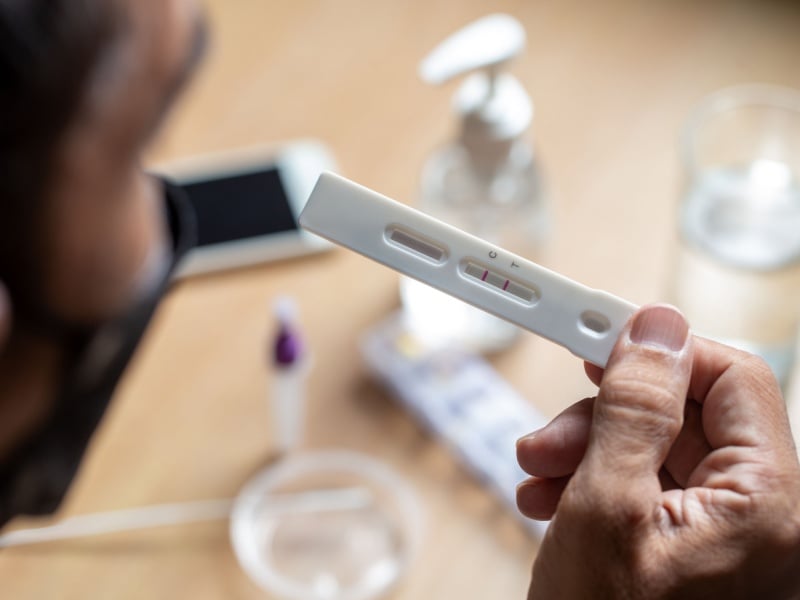
Experts like Dr. Emily Foster, a physician specializing in infectious disease, stress that staying informed about symptoms is critical. “Take note of how you feel each day; this can guide whether to monitor at home or seek further care.” In the UK, lateral flow testing is no longer a requirement, although free testing remains available for those at high risk.
Treatment Options and Antivirals
With advancements in medicine, antiviral treatments have become pivotal in managing Covid-19 for vulnerable populations. Those considered very vulnerable, such as individuals with recent cancer treatment, may qualify for antiviral prescriptions. However, a careful review of current medications is necessary.
Dr. Minh cautions, “Some antivirals may interact with heart medications. Therefore, it’s essential to disclose all current prescriptions to healthcare providers.” This personalized approach increases the likelihood of safe and effective treatment.
Long Covid: A Lingering Concern
As the pandemic progresses, the lingering effects of long Covid have emerged as a substantial public health concern. Research indicates it affects approximately 1 in 10 individuals post-infection, manifesting in symptoms such as fatigue, brain fog, and respiratory distress.
“Understanding long Covid is paramount,” says Dr. Roberts. “Not only for individual care but also for societal implications, as those still suffering may face challenges integrating back into work and daily life.” Tracking and managing these long-term effects requires ongoing research and vigilant healthcare protocols.
Staying Safe: The Ongoing Role of Vaccination
Vaccination remains the most effective defense against severe illness from Covid-19, especially for high-risk groups. Public health initiatives continue to emphasize the importance of staying up-to-date with vaccinations. According to recent data from the CDC, fully vaccinated individuals exhibit a 70% reduction in the risk of hospitalization due to Covid-19 compared to unvaccinated peers.
Policy expert Professor Lee adds, “Incorporating booster shots and prioritizing vaccine uptake within vulnerable communities will be vital for controlling this pandemic long-term.” He emphasizes that continued education and outreach are essential to mitigate fears and misinformation surrounding vaccinations.
As the stories unfold within hospitals across the globe, one fact remains clear: while many may recover from Covid-19, the shadows of risk and illness loom large for those most vulnerable. Understanding who is at risk and how to navigate this complex landscape is not only a scientific endeavor but also a societal imperative, demanding the full cognizance and compassion of us all.
Source: www.bhf.org.uk

