


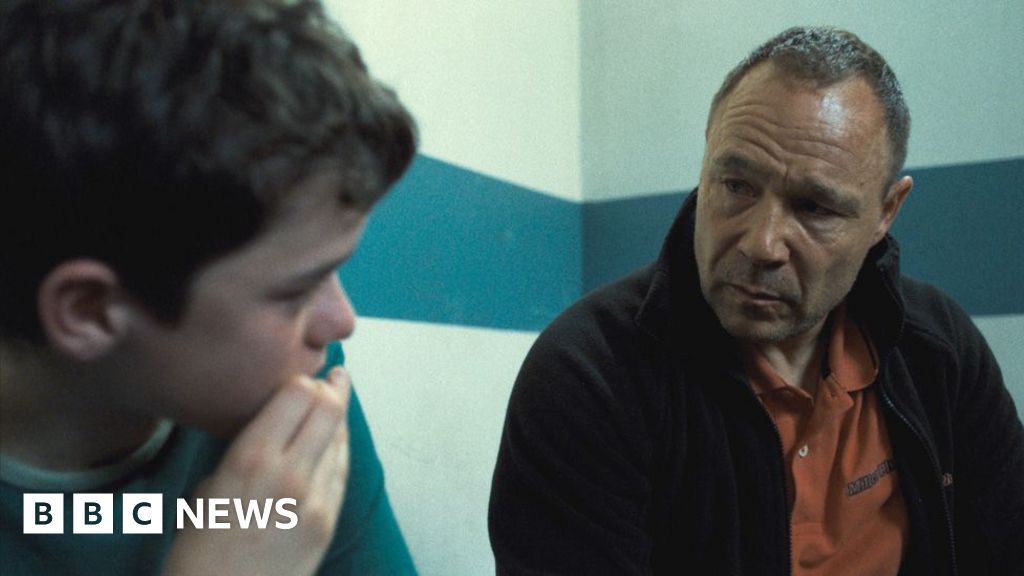
On a rainy afternoon in Bristol, a gathering of concerned parents and educators convened to discuss an alarming trend affecting their children: the pernicious impact of social media on young minds. As children scroll through their phones, they are bombarded with messages that glorify toxic masculinity and devalue emotional vulnerability. These notions are not just abstract ideas; they have become deeply woven into the fabric of youth culture. For Jack Thorne, the acclaimed writer of the Netflix drama Adolescence, this was a crisis that demanded urgent attention.
The Consequences of Digital Isolation: Jack Thorne’s Call to Action
Thorne, who co-wrote Adolescence with actor Stephen Graham, portrays a haunting narrative of 13-year-old Jamie, a boy facing accusations of murder at his school. The series dives into the labyrinth of bullying, the allure of incel culture, and the overwhelming influence of social media on youth. In a recent interview, Thorne voiced his belief that “we must take drastic action, perhaps by legislating the removal of social media from children’s lives altogether.”
The Cultural Context: Navigating Digital Landscapes
The series has quickly risen to the top of Netflix’s global charts, resonating with audiences worldwide. But this success brings with it the weight of responsibility. “We need parents to watch Adolescence with their kids,” Thorne urged. “It’s essential to spark conversations about the troubling themes we explore.” In an era where young people often find solace in the anonymity of the internet, many become susceptible to the corrosive ideas propagated by extremist influencers.
The Trouble with Online Influencers
- Distorted Perceptions: Social media can distort young minds, leading them to believe harmful ideologies.
- Isolation: Many feel alone and unattractive, making them prime candidates for toxic ideas.
- Delayed Accountability: Young people often find it easy to express harmful views online, lacking face-to-face consequences.
This interplay of isolation and influence was echoed by Dr. Nathan Eisenstadt, a senior researcher at the University of Bristol, who teaches young people critical intervention skills in situations that can lead to violence. “A murder doesn’t just happen,” he remarked. “It’s a series of low-level behaviors that may begin with dismissive comments about women.” Dr. Eisenstadt’s comments highlight how seemingly insignificant online interactions can contribute to a culture of violence.
Beyond the Screen: Understanding the Roots
Former England manager Sir Gareth Southgate also weighed in on the conversation during a recent speech as part of the BBC’s Richard Dimbleby Lecture series. He stated, “Today’s youth often spend more time online searching for validation and direction, leading them to unhealthy alternatives like gaming, gambling, and pornography.” Southgate’s point underscores a worrying trend: the growing vacancy of substantive role models, which has created a void filled by individuals who prioritize their gains over the well-being of young people.
The Role of Educators and Mentors
As the debate continues, the role of educators and mentors becomes critical. Martin Bisp, CEO of Empire Fighting Chance—a Bristol boxing club offering mentoring for at-risk youth—emphasized the need for genuine engagement. “Mentoring shouldn’t be merely about guidance. It’s equally about challenging harmful views when they arise,” he insisted. “Young people will naturally seek to express themselves online, especially as resources become scarce.” His insights encapsulate a growing frustration among educators: the diminishing support systems that once guided young people toward healthy expressions of identity.
Proposed Solutions: A Collaborative Approach
Emerging from this discussion are several proposed strategies aimed at mitigating the influence of toxic ideas online:
- Implement legislation to restrict social media access for children during critical developmental years.
- Create educational programs emphasizing critical thinking and media literacy.
- Encourage parental involvement in monitoring and discussing online content with their children.
In the quest for solutions, Thorne’s poignant narrative serves as both a warning and a call to action. He believes that if society fails to engage with the complexities of adolescence in the digital age, “we risk losing a generation to ideas that do not serve their best interests.”
As the rain slowly subsides outside that Bristol community center, it’s evident that the conversation has only just begun. With finely drawn lines between isolation and connection, the challenge ahead demands collective insight, open dialogue, and above all, an unwavering commitment to safeguarding the youth from the snares of a digital landscape fraught with danger.
Source: www.bbc.com

