


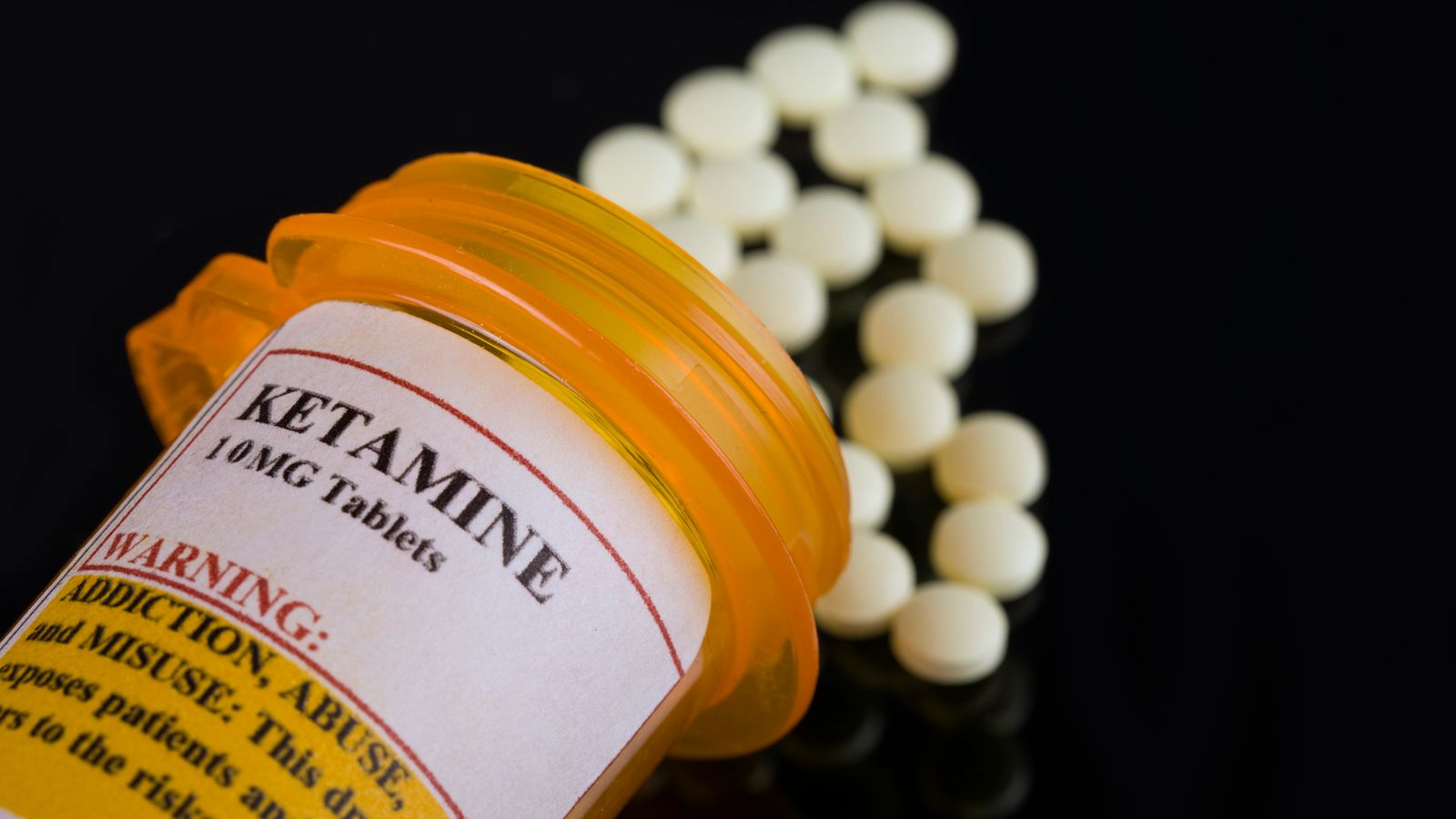
Ketamine’s Role in Depression Treatment: A Double-Edged Sword
As dawn broke over a damp London street, Sarah, a 28-year-old graphic designer, sat nervously in the waiting room of a new clinic specializing in innovative mental health treatments. After years of battling severe depression, she had reached her breaking point. Conventional therapies had failed her, and the promise of a potential game-changer, ketamine, offered a flicker of hope. Sarah’s story mirrors a growing trend in the UK, where the Royal College of Psychiatrists (RCPsych) has recently endorsed the use of ketamine-based medication, recognizing its rapid efficacy in alleviating depressive symptoms.
The Emergence of Ketamine in Clinical Settings
In recent years, ketamine has garnered attention as a beacon of hope for those suffering from treatment-resistant depression. Initially developed as an anesthetic, this Class B drug has now entered the psychiatric arsenal. The RCPsych acknowledges that despite its classification, ketamine has been “the most studied in the rapid relief of depressive symptoms,” with large-scale trials bolstering its credibility. A recent meta-analysis published in the *Journal of Affective Disorders* highlighted a 70% response rate among participants receiving ketamine treatments, an impressive statistic that could redefine mental health care.
Statistics that Speak Volumes
- 70% response rate in treatment-resistant depression patients.
- Over 20 clinical trials involving thousands of participants globally.
- Reported cases of ketamine misuse in youth surpassed cocaine for the first time between 2023 and 2024.
However, the dangers of ketamine are equally pronounced. While it is effective in small doses, misuse can lead to severe physical and psychological problems. The alarming rise in its recreational use, particularly among adolescents, is a significant concern. Health officials recently reported a steep rise in youth presenting with ketamine-related issues, marking a troubling shift in drug vulnerabilities.
Scientific Skepticism and the Call for Caution
Despite its promising attributes, the RCPsych has advised caution. In its latest position statement, it warned that while the need for novel mental health treatments has never been greater, “hype” around psychedelics should not overtake evidence-based practice. Professor Oliver Howes, the chair of RCPsych’s psychopharmacology committee, noted, “New treatments for mental disorders are very rarely developed. Patients have waited too long for effective solutions; however, we must tread carefully, ensuring that any recommendations for use are backed by rigorous evidence.”
This balancing act underscores the need for more extensive research into ketamine and other psychedelics. While esketamine, a derivative of ketamine available as a nasal spray, has been licensed for treatment-resistant depression, its administration must occur in controlled environments with appropriately specialized professionals.
The Broader Psychedelic Landscape
Psychedelic substances are on the radar, not just in the context of ketamine. The potential therapeutic effects of other psychedelics like psilocybin and MDMA in treating PTSD and anxiety disorders are being explored. “Psychedelics can facilitate a profound psychological experience, potentially making patients more receptive to therapies,” said Dr. Jo O’Reilly, chairwoman of RCPsych’s medical psychotherapy faculty. She emphasizes that “properly trained staff are key,” noting the necessity for professionals to help patients navigate the terrain of their experiences.
Emerging Research Areas
- Obsessive-Compulsive Disorder (OCD): Exploring ketamine’s effects.
- Post-Traumatic Stress Disorder (PTSD): Ongoing trials examining psychedelic-assisted therapy.
- Substance Abuse Disorders: Investigating the interplay between ketamine and addiction recovery.
As the landscape of antidepressant medications evolves—traditionally plagued by stagnant innovation—the emergence of psychedelics, including ketamine, signals a shift towards renewed optimism in mental health treatment. However, the road forward is fraught with ethical considerations and the pressing need for comprehensive clinical oversight.
Personal Stories, Societal Impacts
Beyond the statistics and clinical trials lie the personal narratives of those like Sarah. “I just want to feel normal again,” she confided before embarking on her first treatment session. “I’ve tried everything, and the thought that ketamine might help me is both exciting and terrifying.” Her case exemplifies the shared hope and trepidation facing many patients today.
The pressing issues surrounding ketamine’s use—its potential to both alleviate suffering and contribute to new forms of dependency—have sparked a critical dialogue within the medical community. With the international legal status of psychedelics rapidly shifting, the RCPsych expresses its intent to enlighten future research, fostering an environment where science and compassion work hand in hand.
For now, as policymakers and researchers race to keep pace with the evolving landscape, the mantra remains clear: innovation in mental health must be anchored by rigorous research and ethical clinical practices. Sarah’s journey toward healing may just be the tip of an iceberg, one that holds the potential to reshape how future generations approach mental health treatments, armed with a newfound understanding of the complexities of the human psyche.
Source: news.sky.com

