


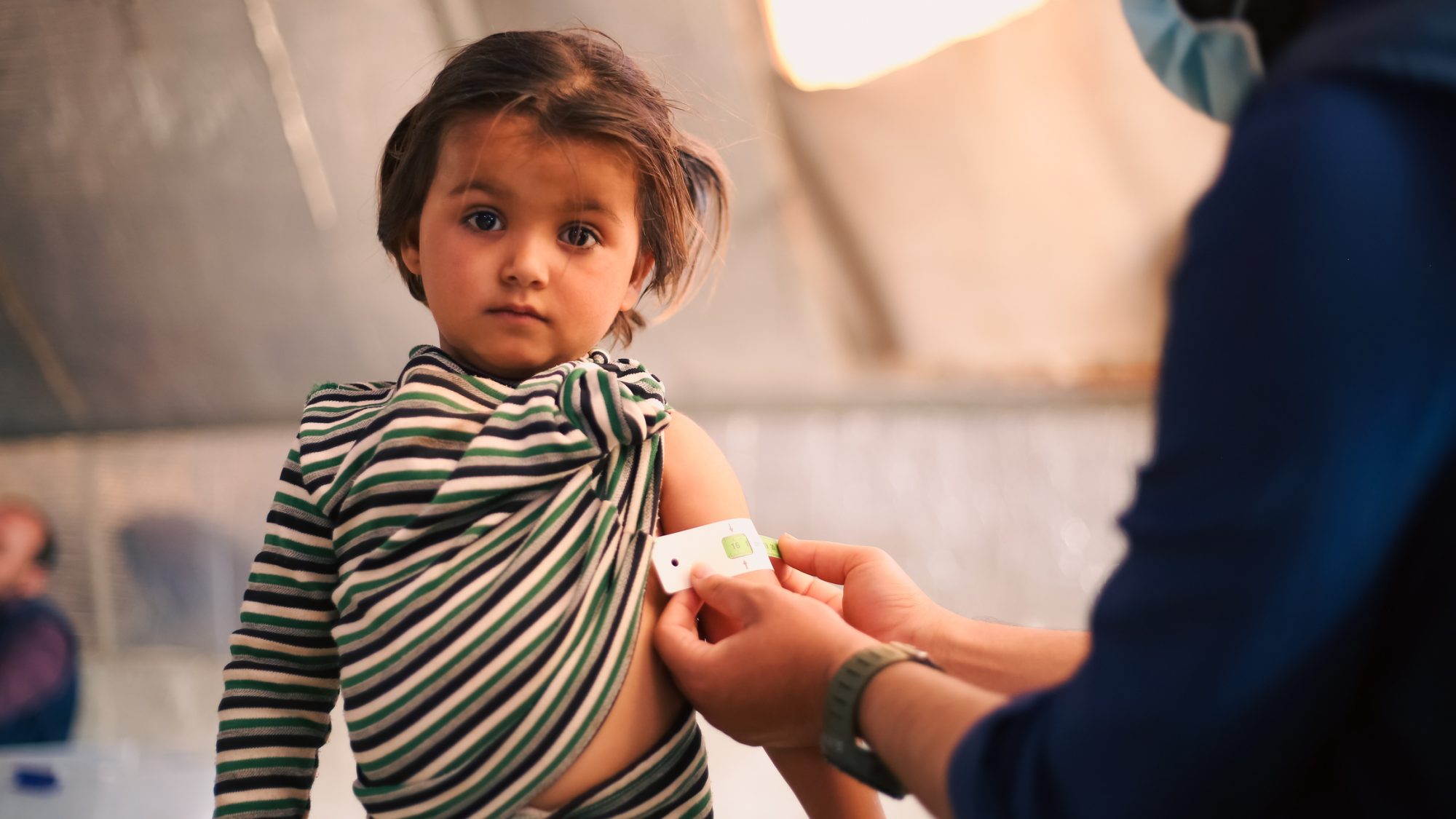
A group of severely ill children from Gaza has been evacuated and brought to the UK with their families for urgent specialist NHS treatment
Amid the rubble of a war-torn Gaza, a small group of children, frail and fragile, clutch the hands of their parents as they step onto the tarmac of London Heathrow, greeted by a mix of humanitarian workers and medical professionals. These children, aged between two and twelve, carry the weight of trauma that no child should ever bear: they are survivors of a conflict that has not only ravaged their homes but has also rendered their medical futures precarious.
A Lifeline Amid Collapse
The healthcare system in Gaza has become a casualty of war, with hospitals overwhelmed and basic medicines in short supply. In this environment, diseases like malnutrition and infections have surged, affecting children disproportionately. According to a recent report from the World Health Organization, over 1.3 million children in Gaza now face severe health risks, with many suffering from chronic illnesses left untreated.
This dire situation prompted the establishment of a cross-government taskforce in the UK, dedicated to orchestrating the urgent evacuation of these children. Foreign Secretary Yvette Cooper emphasized, “Children are too often the innocent victims of war. As we welcome the first group of children to the UK for urgent treatment, their arrival reflects our determined commitment to humanitarian action.”
The Journey to Recovery
The operation to bring these children to the UK was not without its complexities. It involved securing safe transit through Jordan, coupled with robust security screening to ensure patient dignity and safety throughout the journey. Each child was accompanied by at least one family member, underscoring the importance of familial support in the healing process.
- Safe Transit: Successful collaboration with the Government of Jordan ensured safe passage.
- Comprehensive Screening: Rigorous security checks were implemented to protect families.
- Emotional Support: Families were provided mental health resources upon arrival.
The anticipation of arrival was tinged with anxiety as mothers and fathers held onto the hope that the NHS could provide the world-class care their children desperately needed. “Every child deserves the chance to heal, to play, and to dream again,” stated Health and Social Care Secretary, Wes Streeting. “This marks the start of their journey towards recovery.”
Behind the Numbers: Personal Stories
While statistics illustrate the magnitude of suffering, each child has a unique story. Six-year-old Amira, who arrived with her mother, had been suffering from severe malnutrition and was on the brink of organ failure before being evacuated. Her mother, Nadia, recalled the days spent seeking help, “We had nowhere to turn; every day was a struggle just to keep her alive.”
The emotional toll is matched by physical suffering. Professor Meghana Pandit, NHS National Medical Director, noted, “These children are severely unwell and in need of urgent medical treatment. We will do all we can to help provide them with a safe and secure place.” Initial assessments in UK hospitals have shown that many of these children require immediate interventions ranging from surgical procedures to psychological support.
Global Responsibility and Local Action
The arrival of these children is a microcosm of a larger issue reflecting the faltering international response to humanitarian crises. Many observers are calling for an urgent reassessment of the global approach to civilian protection in conflict zones. A hypothetical study by the International Health Federation found that proactive interventions could significantly reduce childhood morbidity in war-affected regions by up to 40%.
“It is essential for us to not just react to crises, but to engage in preventive measures,” stated Dr. Aisha Kamal, a humanitarian health policy expert. “Investing in healthcare infrastructure and emergency preparedness in conflict zones should be a priority for the international community.”
A Call for Continued Support
Despite the successful evacuation, the UK government remains cautious in sharing specifics about the children’s treatment to uphold patient confidentiality and safety. Efforts are ongoing to advocate for a cessation of hostilities in Gaza, with the UK government pushing for increased access to healthcare, including medicines and medical evacuations.
NHS clinical teams across the country are working tirelessly to provide not only medical care but also psychological support, understanding that healing goes beyond the physical. As these families begin their new chapter in the UK, their resilience shines through the darkest challenges they’ve faced.
The story of these children serves as a poignant reminder of the humanitarian obligations that bind us. It forces us to confront the uncomfortable truth that in the theater of war, the innocent—especially children—suffer first and foremost. The UK’s commitment to providing refuge and treatment for these vulnerable victims underscores a fundamental belief: that every child, regardless of circumstances, has the right to live and thrive.
Source: www.openaccessgovernment.org

