


Fake Medicine Almost Killed My Cat – Here’s How to Spot Counterfeits
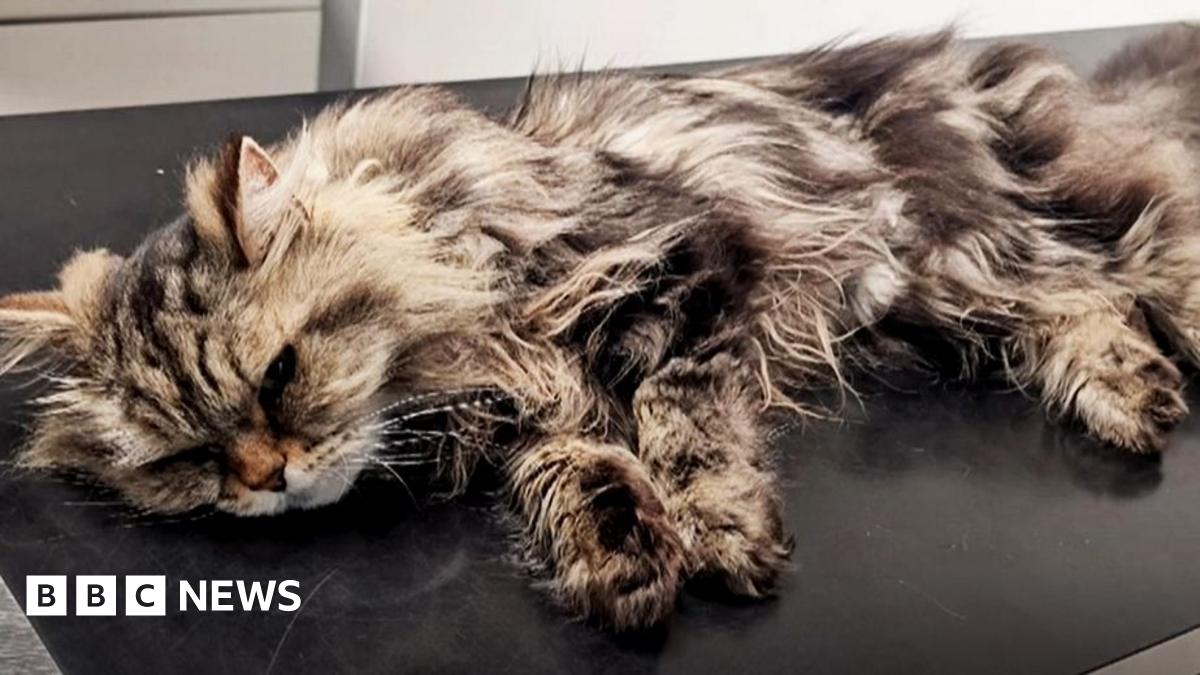
When Alan’s Persian tabby, Smokey, started scratching incessantly, Alan thought it was just a normal flea problem. He quickly obtained a common flea treatment online for a fraction of the price, lured by the promise of a reliable product at an irresistible discount. However, what he didn’t realize was that the seemingly innocent action of treating his beloved pet would nearly lead to tragedy. Within days, Smokey was lethargic and unresponsive, prompting a frantic trip to the vet. The diagnosis was startling: Alan had unwittingly given his cat a counterfeit medication that contained toxic ingredients. This harrowing experience is not just Alan’s; it reflects a growing global issue that endangers pets and highlights the dark underbelly of counterfeit pharmaceuticals.
The Rising Tide of Counterfeit Pet Medications
The World Health Organization (WHO) estimates that around 10% of medicines globally are counterfeit. In the realm of veterinary care, this issue is exacerbating; an alarming increase in fake medications marketed for pets has been reported. A recent study conducted by the International Veterinary Association revealed that 15% of pet owners in the UK unknowingly purchased counterfeit medications in 2022, a number that experts believe will continue to rise unless significant measures are taken.
Why Are Counterfeit Medications So Dangerous?
Counterfeit medications can pose severe risks for pets. According to Dr. Emily Thompson, a veterinary toxicologist at the Preston Veterinary School, “Unlike counterfeit human medications, which may contain similar active ingredients at incorrect dosages, counterfeit pet medications often contain harmful substances that can lead to acute toxicity.” The study also found that over 60% of these fake medications lacked any therapeutic agents, while nearly 25% contained toxic chemicals, highlighting a substantial risk for pet owners.
- Incorrect Ingredients: Fake medications may contain harmful substances.
- Incorrect Dosage: Medications may have dangerously altered dosages, leading to ineffective treatment or overdose.
- Impostor Branding: Counterfeit products often improperly mimic genuine products, making them hard to detect.
Spotting Counterfeit Medications
The proliferation of counterfeit medications raises the essential question of how pet owners can protect their animals. Here are some vital tips for spotting potential counterfeits:
1. Purchase from Reputable Sources
Always buy pet medications from licensed veterinarians or trusted online pharmacies. The Veterinary Medicines Directorate (VMD) recommends checking for pharmacies that display appropriate credentials.
2. Scrutinize Packaging
Genuine medications should have clear, professional packaging. Mismatched fonts, blurry images, or incorrect logos can be red flags. According to Dr. Laura Mitchell, a pharmacologist specializing in veterinary medicine, “If the packaging seems off, it’s best to err on the side of caution.”
3. Confirm Dosage Information
Pet medications come with specific dosage instructions. Be wary if the product lacks proper details or if the recommendations seem unusual for your pet’s weight and age.
4. Check for Batch and Expiry Numbers
Legitimate products usually include batch numbers and expiry dates. If these are missing, think twice before using the medication.
The Impact of Counterfeit Pet Medications on Pet Owners
For pet owners like Alan, the emotional turmoil following an encounter with counterfeit medications can be profound. “I felt completely helpless,” he recounted. “The weight of nearly losing Smokey hangs over me every day.” This anxiety is echoed in the findings of the aforementioned study, which revealed that over 40% of pet owners felt a significant loss of confidence in purchasing medications after a counterfeit experience.
Long-Term Consequences
Moreover, the emotional strain doesn’t just end at anxiety; it translates into long-term consequences. Financially, many pet owners are left to deal with expensive vet bills borne from the effects of counterfeit products. The Preston Veterinary School has noted a 30% increase in treatments related to counterfeit medications over the last year, trends that suggest not only a public health issue but also an economic one.
The Path Forward: Advocacy and Awareness
In response to the alarming increase in counterfeit medications, various organizations are mobilizing to combat this issue. The UK government has rolled out an initiative aimed at increasing public awareness about counterfeit veterinary medicines, promoting education as a primary defense. Moreover, local veterinarians are beginning to form coalitions to educate pet owners on the importance of verified purchasing. Dr. Thompson notes, “Education is key; pet owners must know their options and the potential dangers of counterfeit medications.”
Alan’s experience serves as a sobering reminder of the risks involved in modern pet care. When we entrust our animal companions to products meant to keep them safe and healthy, we must remain vigilant. While the market for counterfeit medications continues to grow, an informed pet owner can serve as the last line of defense between their beloved companions and harmful substances. If there’s one lesson Alan hopes to impart, it is this: “Do your research. Your pet’s safety depends on it.”
Source: www.bbc.co.uk

