


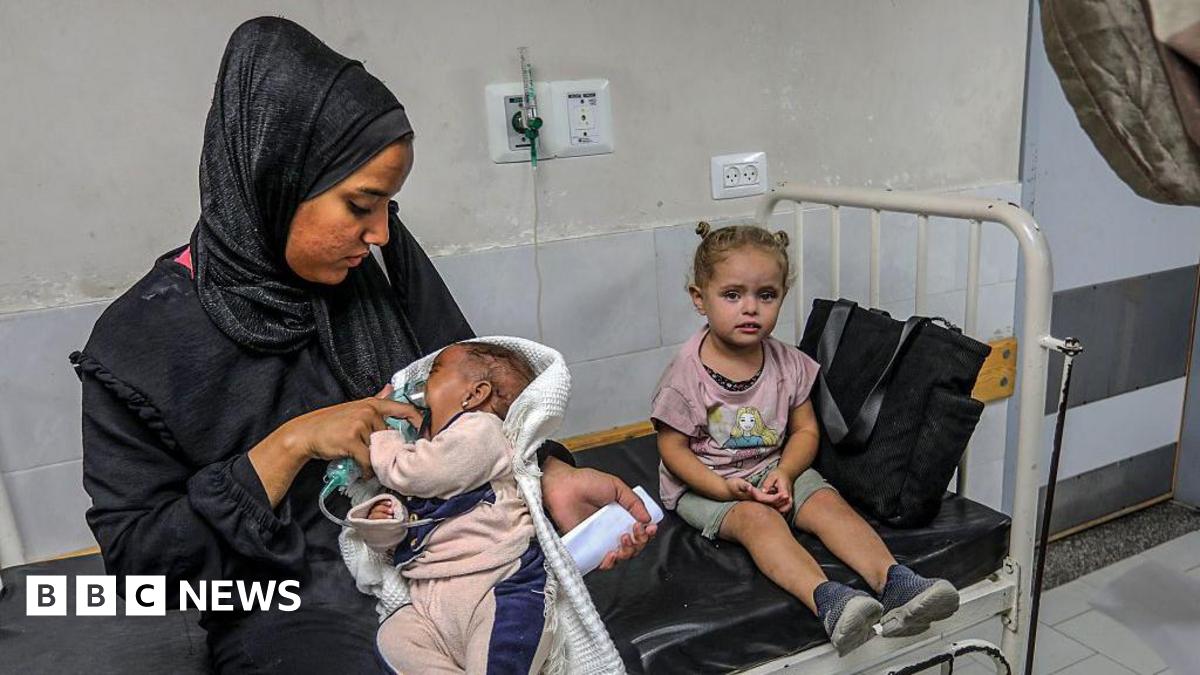
Gaza’s Children in Crisis: A Lifeline to the UK
As dawn broke over Scotland, the sound of sirens pierced the morning air, heralding the arrival of a lifeline for two critically ill children fleeing the horrors of Gaza. Moments after landing, these young patients, alongside their families, found themselves in a place of safety, far removed from the chaos and devastation that had befallen their homeland. The stark contrast between the green hills of Scotland and the rubble-strewn streets of Gaza is a testament to the extraordinary journey they undertook—a journey marked not only by suffering but also by hope and resilience.
The Evacuation Process
On Monday, the first step of a larger humanitarian initiative took flight, as the UK government activated a coordinated operation between the Foreign Office, Home Office, and Department of Health. The evacuation of these children, occurring amidst ongoing conflict, marks a significant shift in the UK’s approach to healthcare for war-affected minors. Now more children are expected to arrive in the coming weeks, each with a story shaped by violence and loss.
After being evacuated from Gaza to Jordan, the children and their families underwent rigorous security checks, facilitated by British Embassy staff. The government refrained from disclosing the identities of the evacuees, emphasizing instead the urgency and sensitivity of the situation. Foreign Secretary Yvette Cooper articulated the grim reality of healthcare in Gaza, stating, “The healthcare system has been decimated and hospitals are no longer functioning, with severely ill children unable to get the medical care they need to survive.”
Previous Initiatives
Prior efforts to bring Gazan children to the UK for medical treatment were primarily driven by non-governmental initiatives like Project Pure Hope. This grassroots movement successfully arranged for several young patients seeking urgent care, but the lack of an organized governmental evacuation scheme had left many families in a state of despair. This latest move represents a critical evolution in the government’s strategy, shifting from indirect support to direct intervention.
The Psychological Impact of War
Focus on mental health remains paramount as these children are ushered into a new world. Dr. Amelia Kahn, a child psychologist specializing in trauma, commented, “The psychological toll on children affected by war is profound. These young minds have witnessed horrors that challenge the very essence of childhood innocence.” A recent study by the International Journal of Child Trauma suggests that children exposed to armed conflict are at a significantly higher risk of developing PTSD, anxiety, and depression.
The stark reality is that the scars of war extend beyond physical injuries; they seep into the fabric of childhood itself. Dr. Kahn emphasized the importance of a supportive environment: “Healing begins with creating a nurturing space where these children can feel safe and begin to process their experiences.”
Healthcare and Recovery
The healthcare team awaiting these children in Scotland is well-acquainted with the challenges ahead. Health Secretary Wes Streeting, highlighting the emotional weight of their experiences, stated, “Every child deserves the chance to heal, to play, to simply be able to dream again. These young patients have witnessed horrors no child should ever see, but this marks the start of their journey towards recovery.”
- Urgent Medical Needs: Many of the children require immediate surgeries and specialist care.
- Psychosocial Support: A comprehensive plan will include therapies addressing trauma.
- Family Engagement: Involving families in the recovery process enhances emotional support.
As healthcare professionals prepare to receive these children, the focus extends beyond mere physical ailments. It’s about cultivating an environment that fosters emotional recovery through heartfelt care and support. Dr. Sarah Elman, a pediatric specialist, noted, “The UK’s National Health Service (NHS) has an unprecedented opportunity to not only serve these children medically but to embody compassion—a cornerstone of our healthcare values.”
The Road Ahead
The operation’s wider implications resonate far beyond the immediate needs of these evacuees. It initiates a dialogue surrounding the state of health infrastructure in conflict zones. The grim reality of Gaza’s healthcare system, as described by Cooper, underscores an urgent call for international support. “We need to protect medical infrastructure and health workers in Gaza,” she urged, emphasizing the necessity of allowing a significant increase in medicines and supplies to reach those in dire need.
As the second wave of evacuations looms, it is clear that the UK government’s actions will be scrutinized, with observers keenly watching how this initiative unfolds. The hope of healing is now intertwined with the urgent need for systemic changes in how such crises are managed.
For these children, the journey to recovery is only beginning. As they step into the serene landscapes of Scotland, their faces—marked by the weight of trauma but also the glimmers of hope—tell a story of resilience. Their presence in the UK serves as both a heartbreaking reminder of the conflicts that ravage childhoods and a beacon of the compassion that many strive to uphold in turbulent times.
Source: www.bbc.co.uk

