


For More Than Four Decades, the Developed World Has Been Quietly Beating Cancer
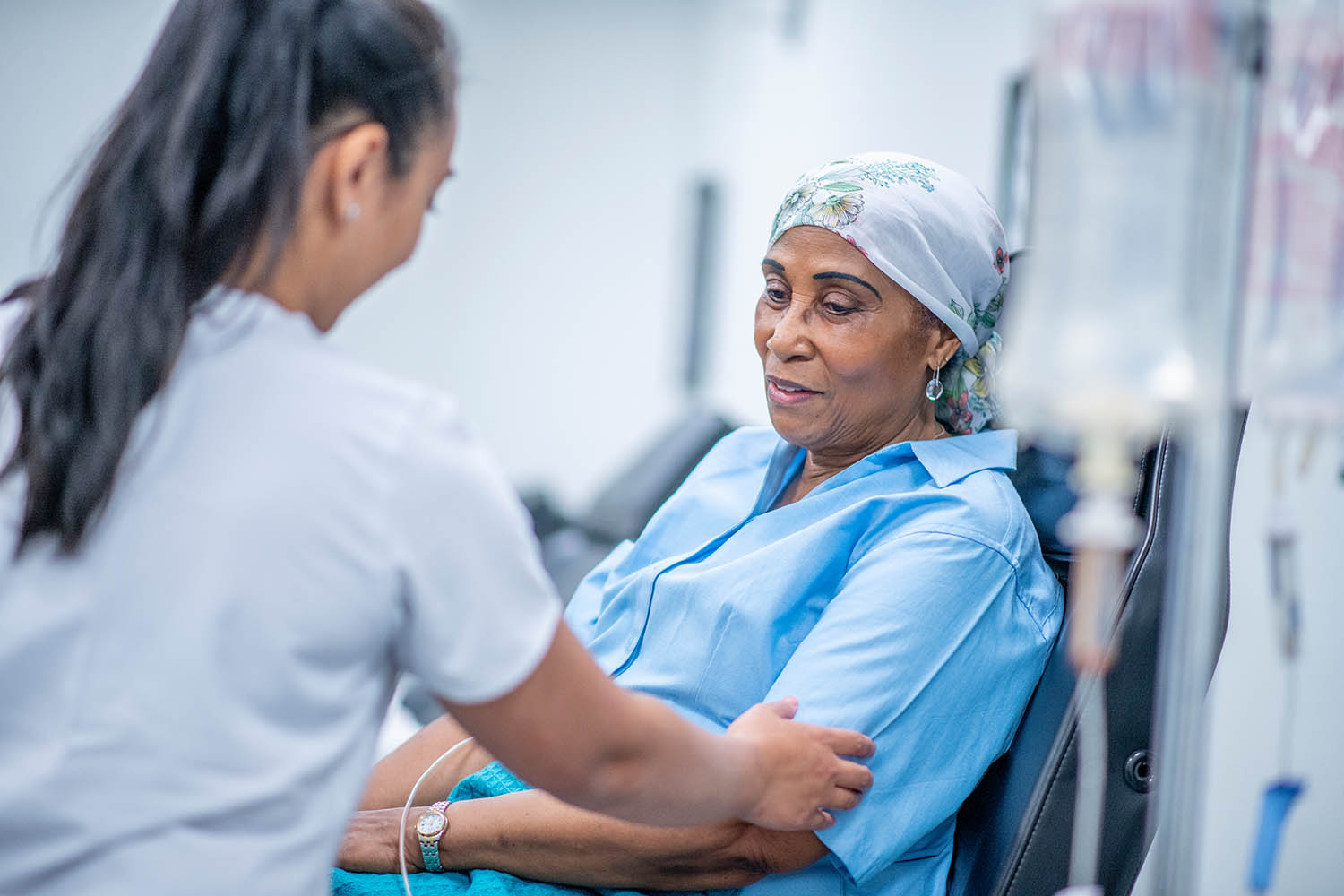
In a stark hospital room in Sheffield, Angela Thompson, a 62-year-old grandmother, stares out the window, her thoughts far away from the sterile walls surrounding her. Just last week, she learned that her lung cancer had advanced to stage three. “I thought I had years to go. Now I’m not sure if I’ll make it to Christmas,” she laments, her voice quaking with fear. Angela represents the reality faced by many in the UK—caught in a web of healthcare delays and systemic inefficiencies, far behind the progress made in cancer treatment across developed nations.
The Success of the Developed World
For over four decades, countries like the United States, Canada, and parts of Europe have witnessed a significant decline in cancer mortality rates. In the U.S., for example, stomach cancer mortality was recorded at nine times lower in 2021 than in 1950, largely thanks to innovations in treatment and extensive public health campaigns aimed at reducing smoking. Awareness of carcinogenic agents like H. pylori has also transformed patient outcomes. However, as England grapples with rising cancer rates, the divide between nations could not be starker.
The UK’s Alarming Statistics
Despite the global trend of increasing cancer survival rates, England has reported higher cancer death rates than any other G7 country. Data reveals disturbing statistics: the UK ranks 28th out of 33 wealthier nations for both lung and stomach cancer survival rates, while brain cancer and liver cancer mortality rates place England in 25th and 21st positions, respectively. This alarming picture prompts urgent questions about the structure and efficiency of the National Health Service (NHS).
A Future Helpless Against Cancer?
According to a recent paper from the London School of Hygiene and Tropical Medicine, the progress in cancer survival is beginning to plateau in England and Wales. Projections show that by 2040, cancer diagnoses are expected to soar to more than six million in England, nearly doubling the rates seen in the 1970s. As the disease escalates, the cracks in the UK healthcare system widen.
Integrated Care or Fractured System?
Cancer care in the UK faces an array of interrelated challenges that expose its shortcomings. “When various parts of the system are not aligned, the result can be disastrous for patients,” remarks Professor Richard Sullivan from King’s College London. His sentiment reflects the frustration from many within the health sector regarding the integration of cancer services. Specialties operating in silos complicate patient flow, making it arduous to transition from diagnostic stages to treatment.
- Urgent cancer cases often struggle to navigate the complicated pathways within the NHS.
- Effective communication between specialists is lacking, leading to diagnostic delays.
- Competition introduced by the Health and Social Care Act of 2012 has exacerbated fragmentation.
Long Waits and High Stakes
The NHS is burdened by lengthy waiting times, which significantly impact cancer outcomes. A delay of just four weeks can increase the risk of death by 10%, yet many patients are forced to endure much longer waits. For instance, in cases of pancreatic cancer, a staggering seven out of ten patients receive no treatment due to late diagnosis. “Our diagnostic rates are barely keeping pace, with targets continuously softened just to signal improvement,” notes Jon Shelton from Cancer Research UK.
Waiting Times for Treatment
Once diagnosed, the wait for treatment becomes another hurdle. The NHS has a “62-day target” for starting treatment after referral, yet this has not been met since 2015. In June, around 11% of patients found themselves waiting over 100 days for treatment. “These excessive wait times paint a grim reality for anyone diagnosed,” Shelton warns. “It emphasizes that the NHS is under immense pressure, and cancer care bears the brunt of it.”
Socioeconomic Disparities
Another pressing issue is the disparity in access to cancer care tied to socioeconomic status. Deprivation plays a massive role; death rates are almost 60% higher in the most deprived areas of the UK. Patients often face an uphill battle, unable to afford time off work for treatment or living in rural areas with limited transport options. “I can’t keep missing work for appointments and still pay my bills. It’s a constant struggle,” gripes a patient from a low-income background.
An Urgent Need for Reform
Experts argue that a technological fix will not suffice; comprehensive reforms are critical. The UK’s success with certain cancers, such as breast cancer, demonstrates that targeted and aggressive care pathways can yield positive results. “The system can work for younger patients, as they receive expedited treatment. But older patients with multiple health issues often get lost in the shuffle,” explains Sullivan.
Looking to Denmark for Solutions
To bridge the gap, many suggest adopting models from countries like Denmark. Once facing similar survival rates to the UK in 1995, Denmark has since revolutionized its cancer care. Centralized services ensure that care is coordinated seamlessly, allowing for rapid patient access to specialists. In 25 years, the one-year survival rate for lung cancer in Denmark has doubled due to these innovations.
“If we’re serious about catching up with the cancer revolution, we need to overhaul our approach, focusing on integration and coordination,” urges Sullivan.
For patients like Angela, the future hinges not on intricate treatments but on a healthcare system that can manage the complexities of cancer care effectively. As the UK stands at a crossroads, the question remains: will it rise to the occasion or continue to falter while others move ahead?
Source: observer.co.uk

