


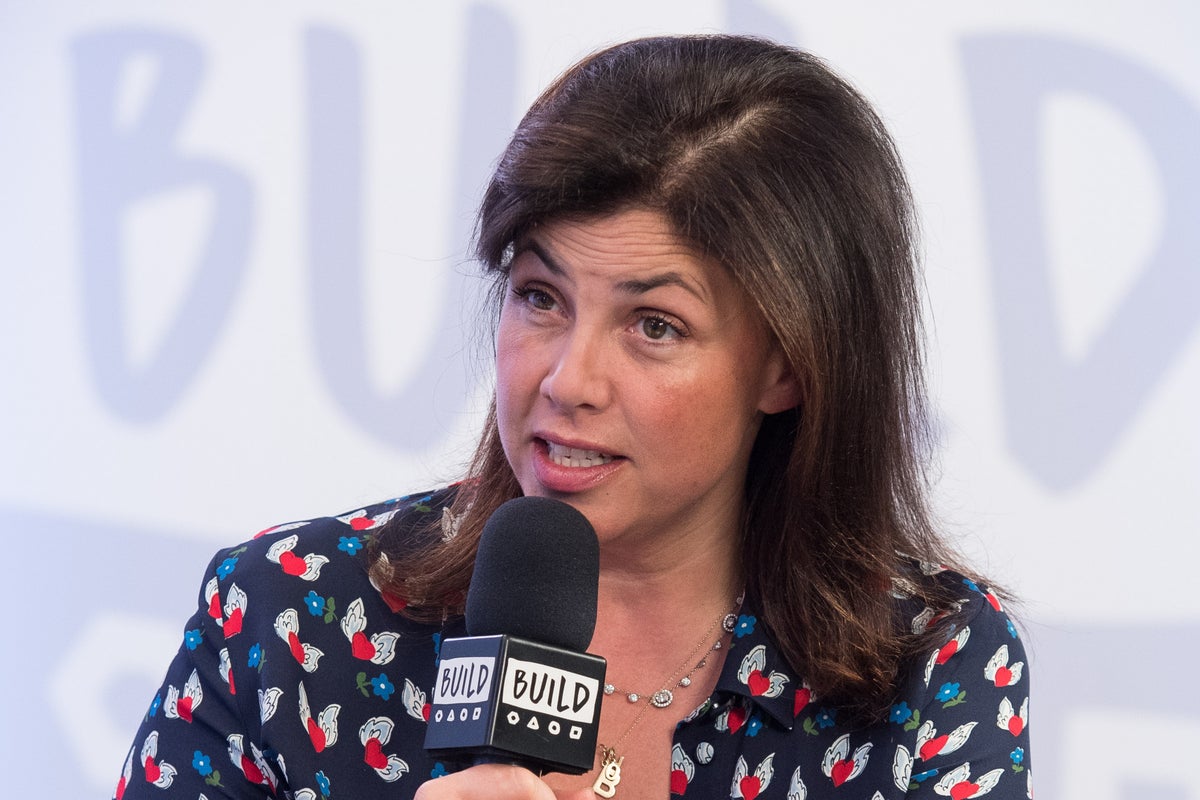
Kirstie Allsopp’s Challenge to Risk-Averse Parenting: A Call for Independence in Youth Travel
When Kirstie Allsopp received a message from social services regarding her 15-year-old son’s interrailing trip across Europe, it ignited a fiery debate about the nature of parenting in the digital age. Traveling with a friend, her son was exploring the very cities that she and her peers once roamed freely, yet societal concerns over safety had led authorities to question the wisdom of such independence. “I never thought allowing him to travel would be controversial,” Allsopp remarked, reflecting on how differing societal attitudes toward youth have shifted over generations.
The Advent of Risk-Averse Parenting
The trend towards risk-averse parenting has been gaining traction in recent years, exacerbated by a pervasive culture of fear fueled by 24/7 news cycles and social media. Allsopp believes this shift is creating a generation of young adults ill-equipped for real-world challenges. “Children today are being raised in a bubble, protected not just from physical dangers, but from learning how to navigate the world independently,” she said.
Dr. Emma Hargreaves, a child psychologist specializing in adolescent development, emphasizes the impact of overprotection on mental health. “Parents today often prioritize safety over resilience,” she stated. “While protecting children from real dangers is important, overly cautious parenting can hinder their ability to cope with challenges, leading to increased anxiety and mental health issues.”
Statistics Speak Volumes
Recent studies underscore the implications of risk-averse parenting. A 2022 report by the Institute for Pediatric Health found that:
- 75% of children aged 9-14 reported feeling less independent than their parents did at the same age.
- 205% increase in anxiety disorders among adolescents over the past two decades.
- 87% of surveyed parents expressed concerns about their child’s safety when traveling independently.
Risk and Reward of Travel
Traveling, particularly at a young age, is often fraught with perceived risks. However, Allsopp argues that the benefits far outweigh the dangers. “Travel broadens the mind in ways that digital interaction simply cannot replicate. It teaches responsibility, builds confidence, and fosters a sense of adventure,” she explained. Allsopp is not alone in her belief; authors like Jonathan Haidt, in his book The Anxious Generation, suggest that the increased anxiety faced by today’s youth is a result of not only mobile phone use but also an environment that stifles adventure and exploration.
Many young people report feeling stifled by excessive parental oversight. “It’s not that my parents don’t care about me; they just worry too much,” said 17-year-old Mia Thompson, who experienced the unease Allsopp discussed when planning her own solo trip to Europe. “I want to explore, to make mistakes, and to learn from them—not sit at home because it seems safer.”
The Role of Technology
Allsopp blatantly states that the real dangers facing today’s youth are not those posed by travel but those that lurk behind the screens of their mobile devices. “The internet offers a plethora of risks that traveling to a foreign city simply cannot match,” she shared. “The content that children can access—often without supervision—is far more detrimental to their mental health.”
According to a 2023 study by the Digital Wellness Institute, excessive screen time is correlated with:
- Higher instances of depression and anxiety in teens.
- Increased feelings of loneliness and disconnection.
- Difficulty developing social skills due to limited in-person interaction.
A Conversation About Freedom
Amid growing scrutiny, Allsopp believes there must be a broader societal conversation about the implications of restricting youth independence. “Why are we allowing fear to dictate our parenting decisions?” she asked. “It’s time to recognize that the world is much safer than it was for previous generations, thanks to advancements in communication and safety measures.”
In light of the backlash, Allsopp found herself more adamant than ever about the need for balance in parenting. “I care deeply about my son’s safety, but I also understand that taking calculated risks is essential for his growth,” she said. “I don’t want to raise a generation that fears the world.”
Encouraging Independence
Allsopp’s experiences can serve as a catalyst for cultural change, particularly in how families approach discussions about risk and independence. “When young people travel, they learn vital life skills. They become independent, proactive, and adaptable,” noted Dr. Hargreaves. This sentiment resonates with numerous advocates for youth empowerment, who argue that travel is a rite of passage that should be encouraged rather than feared.
As the conversation around risk-averse parenting continues to evolve, Allsopp’s bold stance has opened a dialogue that many are keen to engage in. “It’s all about finding the right balance,” she concluded. “Young people need our trust, and we need to allow them the freedom to grow.”
Source: www.independent.co.uk

