


Ozempic: A New Frontier in Cardiovascular Health
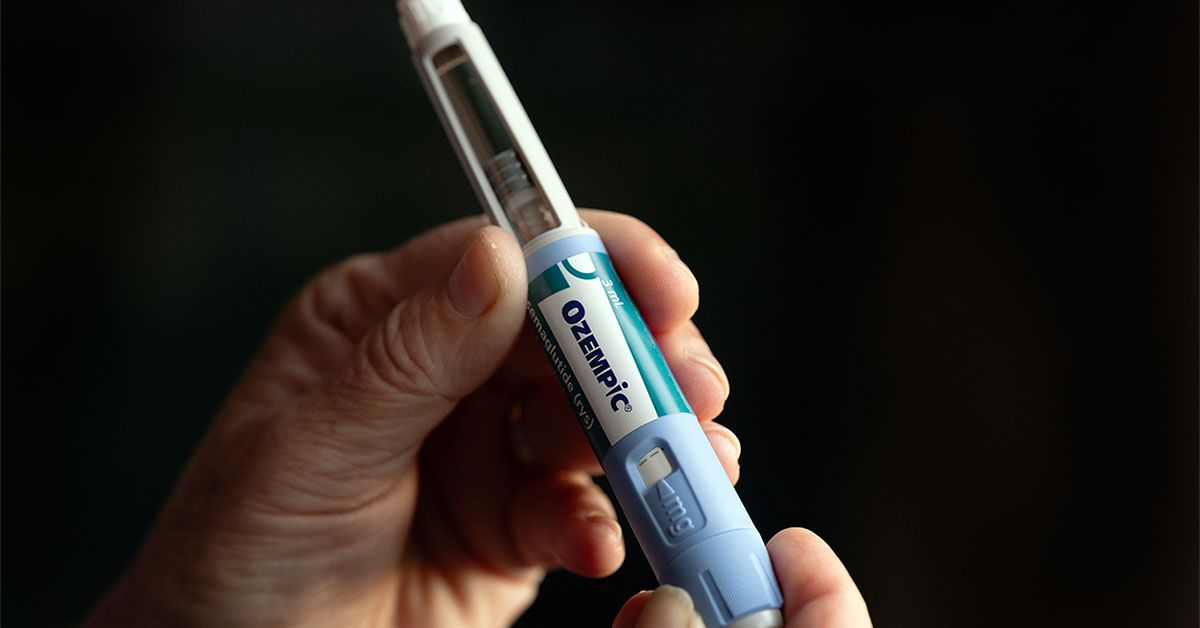
As the sun streamed through the windows of a bustling clinic in downtown Chicago, Mark Thompson, a 56-year-old heart disease survivor, clutched the Ozempic pen tightly in his hand. “It’s more than just a medication for weight loss; it feels like my lifeline,” he shared, recounting how the drug has become a pivotal part of his fight against cardiovascular risk. Unbeknownst to him, ongoing research suggests that this seemingly simple device not only helps control his weight but may also hold the key to reducing life-threatening heart conditions.
The Research Landscape: Semaglutide Uncovered
Recent studies have shed light on semaglutide, the active ingredient in Ozempic and Wegovy, a drug initially designed to treat type 2 diabetes. New findings point to its remarkable potential in reducing cardiovascular risks, putting it at the center of a heated medical discourse. A secondary analysis presented at the 32nd European Congress on Obesity reveals that notable benefits can emerge within just six months of treatment.
This analysis focused on a large-scale study involving 17,604 participants, all overweight or obese and already grappling with cardiovascular issues. Half of the participants were treated with semaglutide, while the other half received a placebo. What researchers found was striking:
- 20% decrease in cardiovascular risk: The semaglutide group demonstrated a significant reduction in the likelihood of non-fatal heart attacks, strokes, or death from cardiovascular causes.
- Early benefits observed: Within just three months, participants on the medication showed a notable decrease in major adverse cardiovascular events (MACE).
- Improved long-term outcomes: After an average follow-up of 39.8 months, continual use of semaglutide was linked to a decreased risk of death from any cause, including cardiovascular issues.
The Fast-Track to Heart Health
Dr. Evelyn Richards, a cardiologist at the Heart Health Institute in New York, emphasized the implications of this research. “The efficacy of semaglutide appears to manifest early, which could change the way we approach treatment for patients with obesity and existing cardiovascular disease,” she stated. “This drug is not just a tool for weight control; it’s emerging as a preventive measure against some of the most severe health outcomes we encounter.”
Mechanism of Action: How Semaglutide Works
The questioning mind might wonder how semaglutide can confer such profound benefits to cardiovascular health. The drug functions by mimicking a hormone that regulates appetite, thereby leading patients to eat less. Interestingly, its cardiovascular benefits seem to arrive even before significant weight loss occurs.
Dr. Patrick Kee, a respected cardiologist, articulated this phenomenon succinctly: “The underlying mechanisms by which semaglutide delivers early cardiovascular benefits remain under investigation. However, our findings indicate a promising intervention that could substantially alter the clinical pathways for patients at risk.”
The Need for Diverse Research
Despite the promising data, the analysis does come with caveats. The patient demographic predominantly included older individuals (above 45 years) who already had cardiovascular disease, and less than 30% of the participants were women. This raises questions about the applicability of the results to broader populations.
“Future research should encompass a more diverse array of participants to truly understand how semaglutide might benefit various groups,” noted Dr. Cheng-Han Chen, Medical Director of the Structural Heart Program at MemorialCare Saddleback Medical Center. “Additionally, there is a pressing need to investigate why some patients experience cardiovascular improvements without substantial weight loss.”
The Clinical Implications: What Does This Mean for Patients?
For patients like Mark Thompson, these findings signal a paradigm shift in treatment strategies. The ability to decrease serious cardiovascular events before significant weight loss occurs opens an exciting avenue for those who struggle with obesity yet are hesitant to approach weight loss medications. “It’s almost like a two-in-one deal,” he remarked. “I feel safer knowing I’m tackling my heart health while shedding pounds.”
The practical implications for healthcare providers are vast. Dr. Kee suggests that medical professionals may need to recalibrate their treatment guidelines to incorporate these rapid benefits. “Recognizing the importance of early intervention not only enhances patient care but also broadens the scope of preventative strategies for cardiovascular health,” he said.
Future Directions: The Road Ahead
As the dialogue surrounding semaglutide evolves, the broader medical community is left to ponder its multifaceted applications. The secondary analysis promises continuous insights as further studies are conducted. Notably, the clinical focus now turns toward understanding the long-term implications of early cardiovascular benefits and how this knowledge can be harnessed in daily practice.
Mark’s story is emblematic of hope amid a backdrop of emerging science. As patients advocate for integrated treatment approaches, the medical community is encouraged to keep pace with research advancements, ensuring that effective solutions reach those who stand to benefit. “Every day, I’m learning that my weight isn’t just a number; it’s intrinsically tied to my heart,” Mark said, an embodiment of the transformation happening across our healthcare landscape.
Source: www.medicalnewstoday.com

