


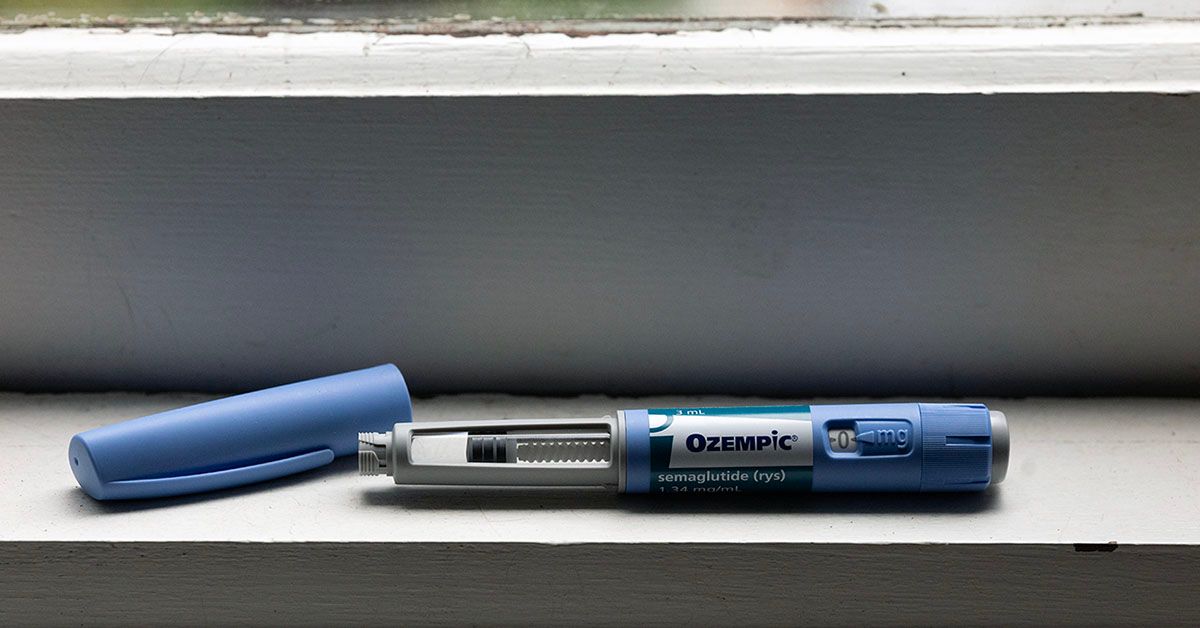
Could drugs like Ozempic lower major complications risk after a heart attack? A study in mice shows promise.
The operating room buzzes with tension as doctors work deftly, attempting to save a patient battling the aftermath of a heart attack. In recent months, a breakthrough research study has illuminated a path that may drastically alter the landscape of cardiac care. Imagine a world where medications like Ozempic, a glucagon-like peptide-1 (GLP-1) receptor agonist, not only reduce the risk of heart disease but also improve recovery outcomes for heart attack survivors. As scientists delve into this innovative area, preliminary results from studies conducted on mice reveal that these medications could indeed play a pivotal role in healing damaged hearts.
Glancing Back: The Role of GLP-1 in Cardiac Health
Recent studies have elucidated the nuanced cardioprotective effects of GLP-1 medications. These drugs, originally designed for diabetes management, have sparked interest for their potential to mitigate heart attack risks. A pivotal study published in Nature Communications emphasizes the significance of this connection. Researchers used a mouse model to explore how GLP-1 drugs impact the complications often arising in the wake of a heart attack.
“Our earlier research showed a protective response that releases GLP-1 from the gut, significantly reducing infarct size,” observed Dr. Svetlana Mastitskaya, a senior lecturer at the University of Bristol, and the lead author of the study. “Our findings could pave the way for new therapeutic approaches to manage heart attacks.”
Understanding the Mechanisms: A Cellular Approach
The study delves deep into the cellular interactions that occur during a heart attack. As the researchers investigated the pathways activated by GLP-1, they uncovered a chain reaction crucial to enhancing blood flow to the heart. The detailed interplay of cellular mechanisms illustrates the drug’s promise to mitigate heart attack complications:
- GLP-1 binds to pericytes — cells that regulate blood flow in capillaries.
- This binding triggers the opening of potassium channels, altering the cell’s electrical charge.
- Reduced calcium influx leads to the relaxation of pericytes, facilitating blood flow restoration.
Dr. Chen, a noted cardiologist from MemorialCare Saddleback Medical Center, explained, “This innovative research could redefine how we treat heart attack patients. The findings underscore GLP-1’s role in enhancing microvascular circulation post-event, which is critical for recovery.”
Quantitative Insights: Risk Reduction Through GLP-1 Therapy
The implications of these findings are profound. Data suggest that complications such as microvessel occlusion—a significant predictor of mortality—are intricately linked to heart attack outcomes. Further insights from the study reveal that:
- A 1% increase in microvessel occlusion correlates with a 14% increase in death rates.
- Similar occlusion rates can lead to an 11% rise in hospitalizations for heart failure.
This stark reality highlights the necessity for strategies to mitigate these risks. “By targeting the underlying mechanisms of microvessel occlusion, we could significantly enhance survival rates in heart attack patients,” Dr. Mastitskaya elaborated.
Cardiovascular Outcomes: Beyond Weight Loss and Glucose Control
Though GLP-1 medications are widely recognized for aiding in weight loss and managing diabetes, the conversation is shifting toward their direct effects on heart health. Dr. Andrew Adelsheimer, a cardiologist at Atlantic Health, affirmed the study’s importance, stating, “While GLP-1 receptor agonists have proven their efficacy in reducing adverse cardiovascular events, the challenge has been dissecting the mechanisms at play.”
According to past research, trials such as LEADER and SUSTAIN-6 have underscored the positive implications of GLP-1 drugs on cardiovascular health. Yet, this study offers a compelling angle, positing that their benefits may extend beyond metabolic improvements.
The Road Ahead: Clinical Trials and Future Directions
As the potential for GLP-1 medications expands, the urgency for clinical trials becomes paramount. Dr. Mastitskaya expresses optimism about the next steps: “We aspire to conduct clinical trials focused on administering GLP-1 drugs during heart attack treatment. Our goal is to create formulations that target heart capillaries specifically.”
Researchers like Dr. Adelsheimer are equally eager. “It’s essential to replicate these findings using human tissues to establish clear clinical relevance. Understanding GLP-1’s effect on coronary microvascular parameters will be crucial for future therapies,” he emphasized.
A Transformative Narrative in Cardiac Care
The emerging evidence regarding GLP-1 medications is a promising development in the fight against heart disease, often characterized as the leading killer worldwide. With heart attacks remaining a critical public health concern, research focused on optimizing recovery protocols could revolutionize patient care and outcomes. If GLP-1 drugs indeed pave the way for reduced complications and enhanced recovery, they could signify a transformative turn in cardiac care.
As researchers push the boundaries of medical science, the anticipation for effective therapies grows. The synergy of innovative research and clinical exploration may soon lead to a reality where heart attack recovery is not only achievable but also less fraught with complications, allowing patients to reclaim their lives with renewed vigor.
Source: www.medicalnewstoday.com

