


A Novel Blood Test Could Help Spot Prediabetes Earlier
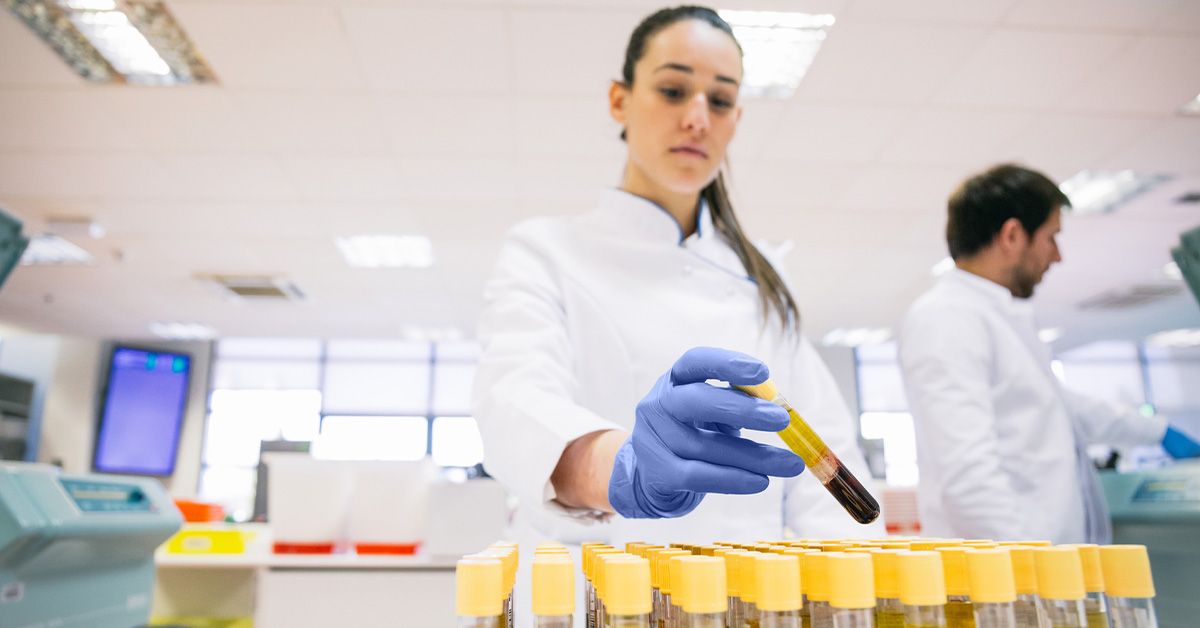
As midday sun streamed through the glass walls of a bustling laboratory in Berlin, Dr. Meriem Ouni reviewed a series of blood samples, each vial a key to unlocking the mysteries of a disease that afflicts millions worldwide. “This could change everything,” she remarked, as she reflected on groundbreaking findings that may revolutionize how we approach prediabetes. Researchers from the German Center for Diabetes Research (DZD) have developed a simple blood test, using artificial intelligence to identify epigenetic markers, that promises to predict and classify individuals who are at high risk of developing type 2 diabetes earlier than ever before.
Understanding Prediabetes and the Role of Epigenetics
Prediabetes is often an unnoticed condition, a silent precursor to type 2 diabetes that increases the risk of severe health complications like heart disease and stroke. According to the Centers for Disease Control and Prevention, 88 million American adults—over one in three—have prediabetes. However, a staggering 84% of them do not know they have it. Early detection can spur proactive interventions, delaying or even preventing the onset of diabetes and improving overall health.
- Epigenetics: The study of reversible changes in gene expression without altering the DNA sequence itself.
- Impact on Health: Epigenetic changes influenced by factors like diet and environment can lead to diabetes and other significant health issues.
- Predictive Potential: Epigenetic markers may indicate future health risks, offering new avenues for prevention.
The DZD researchers focused on DNA methylation, an epigenetic process that affects gene activity. By analyzing blood samples from diverse cohorts with known prediabetes risk profiles, they discovered 1,557 epigenetic markers. When combined, these markers created a biological “fingerprint” that allowed the AI model to classify individuals into high-risk and moderate-risk groups with an accuracy rate of about 90%—an unprecedented achievement in the realm of diabetes prediction.
The Implications of Accurate Risk Classification
“Identifying individuals at elevated risk for diabetes has significant practical implications. Early diagnosis not only aids in timely intervention but also lessens the burden on healthcare systems,” Dr. Ouni proclaimed. This revolutionary approach could replace complex clinical assessments, which are time-consuming and expensive, with a simple blood draw.
Current assessments depend heavily on a series of tests that require specific clinical expertise and substantial patient cooperation. For example, the oral glucose tolerance test can last over an hour, making it impractical for many patients. “A comprehensive assessment weighs on economic feasibility and patient willingness to commit time,” Dr. Ouni explained. “But a straightforward blood test could streamline the process, allowing us to reach a broader population more effectively.”
Clusters of Risk: Moving Beyond Generalizations
Prediabetes does not manifest uniformly; not everyone faces the same progression risk. Research has identified at least six distinct clusters of prediabetes, differing in metabolic responses and associated health risks. “We need to differentiate between those who are likely to develop diabetes versus those who are stable,” noted Dr. Michael Brandt, another leading researcher in the study. “This precision medicine approach will help us tailor interventions more effectively.”
Several epigenetic markers identified in the study link to metabolic pathways associated with type 2 diabetes, chronic inflammation, and cardiovascular diseases, signaling the necessity for targeted interventions. For instance, one marker found prominently in high-risk groups corresponds to inflammatory responses that exacerbate insulin resistance. “Understanding how these markers work is the key to not just prevention but possibly treatment,” Dr. Brandt added.
The Future of Diabetes Prevention
The next steps in this pioneering research focus on translating findings into practical diagnostic tools. A standardized blood test could become commonplace in healthcare settings, enabling quicker risk assessments and facilitating personalized healthcare strategies. “Our ultimate goal is to develop noninvasive tests that can pinpoint those at the highest risk of diabetes and its complications,” Ouni shared, her eyes reflecting the promise of the research.
The implications extend far beyond individual health, potentially alleviating a significant burden on global healthcare systems. According to a study conducted by the World Health Organization (WHO), the economic toll of diabetes-related care is projected to escalate to over $700 billion globally by 2045. By shifting focus to preventative strategies aided by accurate and accessible risk assessments, we can work towards mitigating this impending crisis.
Conclusion
The intersection of technology and medicine heralds a new era in disease prevention. As researchers delve deeper into the role of epigenetics in diabetes, the hope is to offer solutions that are both effective and accessible. The novel blood test developed by the DZD team embodies the potential of modern science to transform our understanding and management of prediabetes, paving the way for healthier futures for millions worldwide.
Source: www.medicalnewstoday.com

