


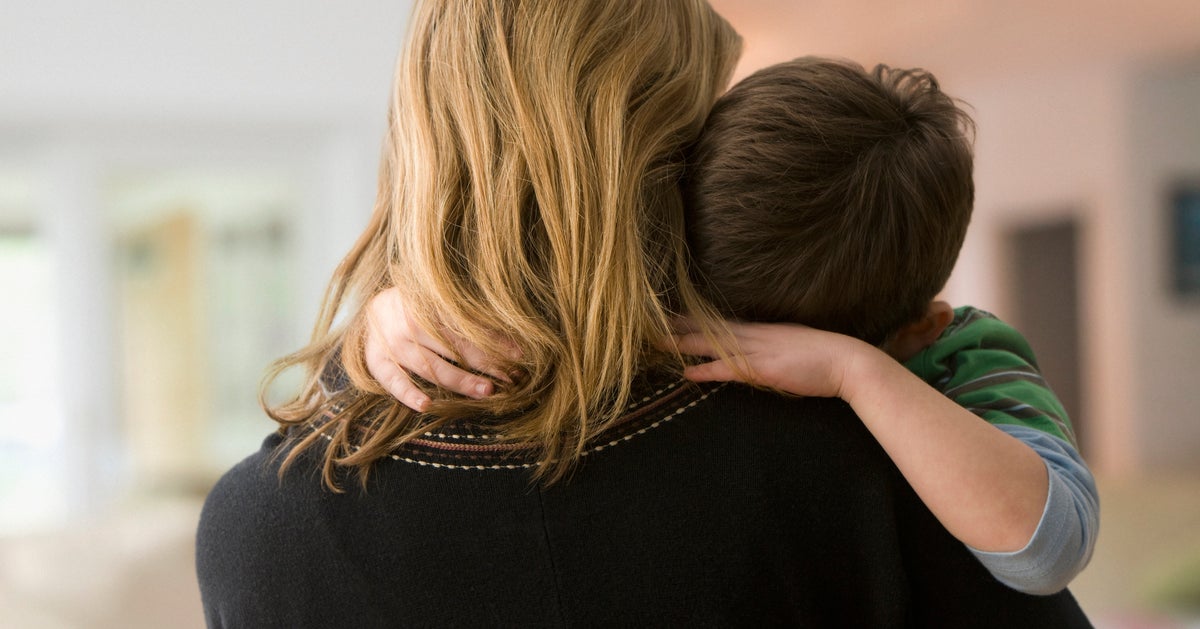
What Kids Are Carrying: The Hidden Weight of Anxiety in Today’s Youth
As the bell rings and children flood the playground, laughter and joy seem to echo through the air. Yet beneath the surface, many children carry a burden too heavy for their small shoulders: anxiety. A recent poll revealed that nearly 50% of therapists identify anxiety as the most prevalent concern among young clients. With children like 10-year-old Mia, who expressed her feelings in therapy with phrases like “I feel scared all the time,” the rising tide of anxiety is no longer an isolated issue.
The Growing Concern of Child Anxiety
Anxiety has become a burgeoning area of concern among the nation’s youth. According to the NSPCC, in October 2024 alone, Childline delivered over 12,000 counselling sessions addressing anxiety-related issues. This aligns with findings from a study conducted by the Counselling Directory, where 47% of therapists noted anxiety as the primary concern brought to sessions by children.
Belinda Gidman-Rowse, a school counsellor from Devon, asserts that children are not immune to the chaos of the world. “We are living in an increasingly fear-based, fast-paced world that often lacks connection, consistency, and emotional support, and children absorb this climate,” she stated. The digital age has exacerbated this effect: prolonged screen exposure and social media have contributed to what many professionals describe as “heightened anxiety and reduced emotional regulation.”
What Might Be Driving Anxiety in Younger Children?
The increase in children experiencing anxiety correlates with the rise in reported issues regarding children with Special Educational Needs and Disabilities (SEND). The data reveals a startling 5.6% increase in such cases since 2024—1.7 million pupils in England alone. “In children with autism and ADHD, anxiety is common,” Gidman-Rowse noted, underscoring the dual pressures of neurodivergence and societal stigma.
Bella Hird, a member of the Counselling Directory, shared another perspective. “The adults in children’s lives are often experiencing anxiety themselves,” she explained. “When parents are worried, children absorb that unease. They learn to see the world as an unsafe place.” In a world saturated with dire news and pressures, children are left grappling with fears often beyond their comprehension.
Signs of Anxiety in Young Children
Children may lack the vocabulary to articulate their anxiety, often expressing it through behavior instead. Common signs include:
- Tearfulness or fearfulness in situations previously enjoyed.
- Physical complaints like tummy aches or headaches.
- Sleep disturbances, including difficulty falling asleep or frequent night waking.
- Increased clinginess or reluctance to leave parents, especially at bedtime.
- Emotional outbursts as they grapple with their internal distress.
Amanda MacDonald, a therapist and BACP member, emphasized that children overhear “adult worries,” often leading to an increase in anxiety. “Children can sense financial difficulties or parental health issues, and these fears can contribute to their anxiety,” she said. “Such situations are out of their control, amplifying feelings of helplessness.”
What Can Parents Do to Help?
It may feel daunting for parents to navigate their children’s anxiety, but experts assure that connection is vital. Gidman-Rowse suggests prioritizing “warm, consistent 1:1 parent-child time.” A mere 20 minutes a day spent playing or reading together can drastically improve emotional wellbeing. “Play is a child’s natural language,” she explains. “It’s a therapeutic tool.”
Assisting children in identifying their feelings can further ease their anxiety. “Using phrases like, ‘I’m feeling a bit stressed right now,’ can normalize their experience,” Gidman-Rowse said. “Anxiety needs information; parents can aid their children by preparing them for changes and transitions.”
Echoing this sentiment, Mandi Simons from the Counselling Directory emphasized the importance of a calm parental presence. “Acknowledging feelings and ensuring that children feel emotionally supported will foster a sense of safety,” she remarked.
When anxiety levels extend beyond normal childhood concerns, engaging a mental health professional can be crucial. “If anxiety interferes with daily activities and prevents children from doing things they love, it’s time to seek help,” MacDonald advised. Parents are encouraged to care for themselves in the process, understanding that their own wellbeing directly affects their children’s mental health.
As we peer into the lives of today’s youth, it becomes clear that each child carries a unique weight. Mia, who once felt lost in her fears, is now learning to articulate her feelings. Through connection, understanding, and careful nurturing, we can help alleviate the burdens of anxiety, ensuring future generations can navigate life’s challenges with resilience and courage.
Source: www.huffingtonpost.co.uk

