


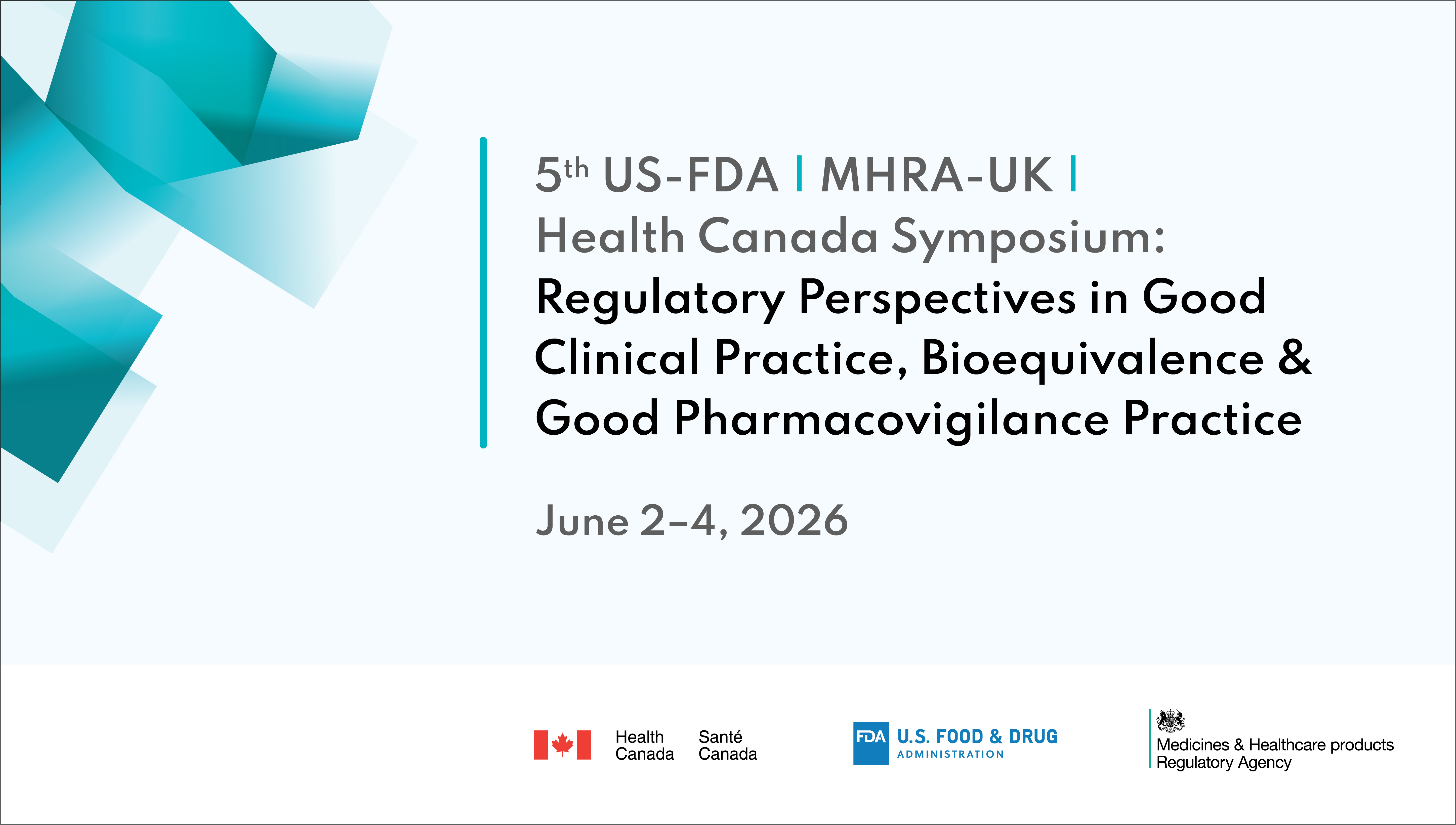
Symposium on Clinical Research: Bridging Gaps in Regulatory Practices
As the sun rose over Ottawa on June 2, 2026, the Library and Archives Canada buzzed with anticipation. Physicians, researchers, and regulatory experts from around the globe gathered to attend the much-anticipated symposium focused on good clinical practice (GCP), bioequivalence, and pharmacovigilance practices. It was an unusual sight—a convergence of minds ready to tackle the pressing issues in clinical trials, a field grappling with evolving standards and ethical dilemmas.
The Call for Reform in Clinical Trials
The inaugural day of the symposium highlighted the palpable urgency for reform in clinical trials. Dr. Helen Vargas, a lead researcher at the Global Institute for Clinical Standards, reported alarming findings from a recent study indicating that over 30% of clinical trial data could not be replicated. “We need to explore the frameworks that allow us to uphold integrity while ensuring efficiency. The patient’s safety must always remain our primary concern,” she emphasized.
Innovating Beyond Compliance
One of the key discussions revolved around the shift from compliance-driven practices to quality-focused clinical trial conduct. Presenting her insights, Dr. Samuel Reed, a regulatory officer with Health Canada, stated, “The transition towards a quality-by-design paradigm is no longer optional; it’s essential. This method encourages proactive risk management and the need to foster a quality culture.”
- Emphasis on Quality by Design principles
- Risk-proportionate approaches to enhance trial efficiency
- Integration of real-world data sources into trial design
Decentralized Trials: Shattering Conventional Boundaries
The discussion moved swiftly to the concept of decentralized trial designs, a revolutionary shift that leverages technology to improve participant engagement. As more patients seek convenience, integrating remote assessments and digital tools can streamline data collection and broaden the patient base. Dr. Amelia Chang, a prominent figure in biostatistics, articulated this notion succinctly: “Decentralized studies can diminish barriers to participation, allowing for a more diverse representation that truly reflects our global population.”
Emerging Trends and Challenges
Pharmacovigilance, the science of detecting, assessing, and preventing adverse effects of medications, is facing its own set of challenges. With regulatory expectations continuously evolving, experts urged for increased transparency and collaboration among international bodies. Dr. Robert Kline, a pharmacovigilance analyst, remarked, “There is an urgent need for harmonization between different regulatory frameworks. Aligning our expectations could streamline processes and enhance patient safety.” A recent survey by the International Committee for Responsible Research noted that over 60% of clinical researchers encountered considerable regulatory hurdles during their studies, hindering timely data reporting.
Learning and Implementation Strategies
Throughout the symposium, a series of workshops and panel discussions provided participants with practical insights that pave the way for implementation. Attendees learned various strategies that would aid in the evolution of clinical trial methodologies:
- Embedding Quality by Design to support proactive trial management
- Regulatory insights on decentralized trial strategies
- Building a culture of transparency and critical thinking among clinical teams
The culmination of these discussions serves as just the beginning as they foster collaboration between stakeholders in academia, regulatory bodies, and the pharmaceutical industry.
As the sun set on the last day of the event, the attendees, filled with knowledge, left the Ottawa venue with newfound purpose. The symposium, far more than an assemblage of experts, stood as a testament to the boundless pursuit of knowledge and integrity in clinical research. The echoes of dialogue exchanged in those hallowed halls urged participants to not merely observe changes but to catalyze them, shaping a future where patient care and research methodologies harmoniously coexist.
Source: www.fda.gov

