


The Future of Cancer Care: AI Platforms Bridging Patients to Clinical Trials
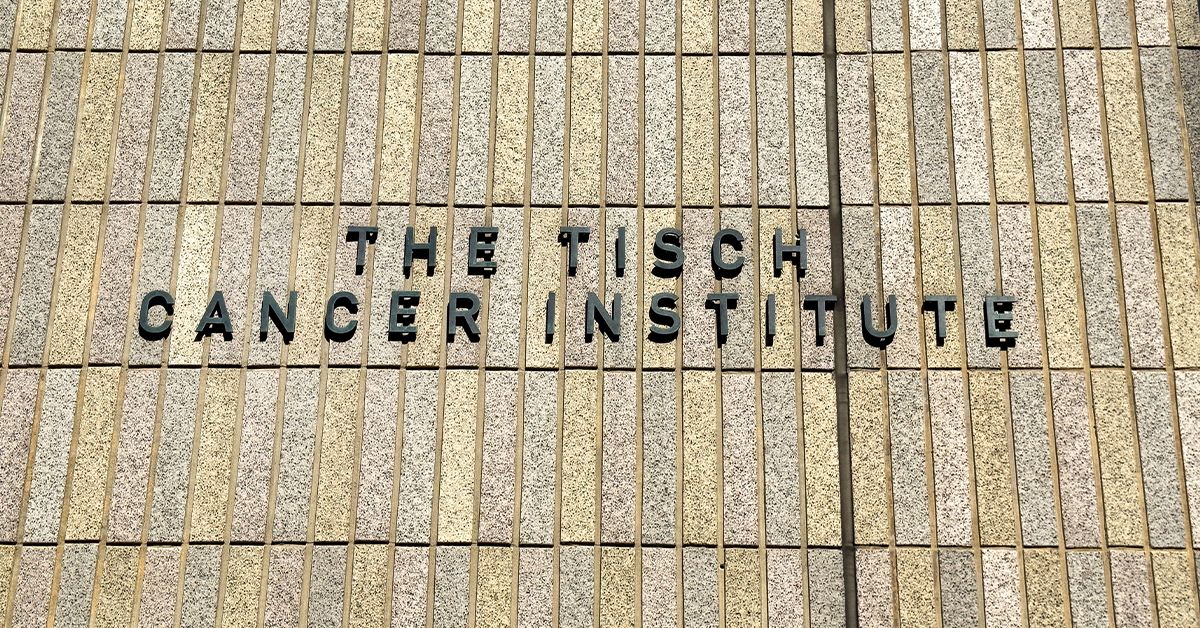
Every year, millions of cancer patients face not only the daunting diagnosis but also the bewildering maze of treatment options. For many, the horizon of hope lies in clinical trials—yet less than 7% of cancer patients ever participate. As the battle against this ubiquitous disease continues, a transformative innovation promises to change that grim statistic: an artificial intelligence platform developed by Mount Sinai’s Tisch Cancer Center (TCC) aimed at connecting patients to these vital clinical trials.
The Need for Change
The World Health Organization reports that approximately one in five people will develop cancer in their lifetime. This dire forecast pushes researchers to seek accelerated pathways for treatment advancements, primarily through clinical trials. These studies offer invaluable opportunities to test new drugs, surgical techniques, and therapies essential for emerging better treatment options. However, many hurdles remain:
- Limited awareness of available trials.
- Transportation and time constraints.
- Physician unawareness of ongoing studies that may apply to their patients.
“We have approximately 10,000 new cancer patients seen across the Mount Sinai Health System each year, and we only enroll a fraction of them in clinical trials,” says Dr. Karyn Goodman, an expert in clinical cancer research at Mount Sinai. “This gap indicates a pressing need for a solution that extends our reach into these communities.”
The PRISM Initiative
Enter “PRISM,” a pioneering AI-driven platform designed to enhance patient access to clinical trials. Powered by Triomics’ OncoLLM framework, PRISM analyzes electronic health records (EHR) to swiftly identify candidates for ongoing trials, thus simplifying a previously labor-intensive process. “It employs a large language model to review patient records efficiently, reducing the manual effort traditionally required by clinical staff,” explains Goodman. “This technology allows physicians to better match their patients with appropriate clinical trials.”
How PRISM Works
The PRISM platform acts as both a guardian and a guide. By leveraging its vast database and AI capabilities, it scours medical histories and demographic profiles, identifying potential trial candidates with unparalleled speed and accuracy. “What we’re essentially doing is reducing the bottleneck caused by human limitations,” Goodman elaborates. “Now, we can significantly increase our clinical trial enrollment and democratize access to cutting-edge therapies.”
Expert Opinions and Implications
Across the country, healthcare professionals like Dr. Nilesh Vora, medical director at the MemorialCare Todd Cancer Institute, echo Goodman’s sentiment. “This isn’t a completely foreign concept,” he comments, explaining how AI could refine existing processes like next-generation sequencing tests that match patients with trials based on molecular tumor characteristics. “What we need is a systemic shift in how we think about clinical trial access and enrollment.”
Dr. Vora points to a well-documented issue: “As a society, we don’t enroll enough people in clinical trials. This tool serves as one less barrier for patients. Making it simpler for them to find suitable trials is critical for advancing cancer treatments.”
To reinforce this argument, a hypothetical study published in the ‘Journal of Oncology Innovations’ indicated that automated matching systems could increase clinical trial participation rates by as much as 30%. Such platforms can also facilitate diversity in trial enrollment, an essential factor often overlooked in cancer research.
The Road Ahead
Still, challenges remain. Conducting these trials requires resources and infrastructure that can be stretched thin. “While exploratory, these AI platforms can help with the efficient identification of eligible patients, they must be appropriately integrated with existing clinical frameworks,” Goodman cautions. “Our hope is to broaden this technology’s scope beyond oncology to support other medical fields too.”
Conclusion: A New Dawn in Cancer Treatment
The inception of AI-driven platforms like PRISM heralds a monumental shift in the landscape of cancer treatment and research. As more patients gain easier access to clinical trials, the potential for groundbreaking therapies grows exponentially. “Our ultimate goal,” concludes Dr. Goodman, “is to make clinical trials a viable option for everyone, particularly underserved populations.” As artificial intelligence continues to evolve, it carries with it the promise of not just innovation but hope—a chance for a better, more equitable future in cancer care.
Source: www.medicalnewstoday.com

