


Access to Funding
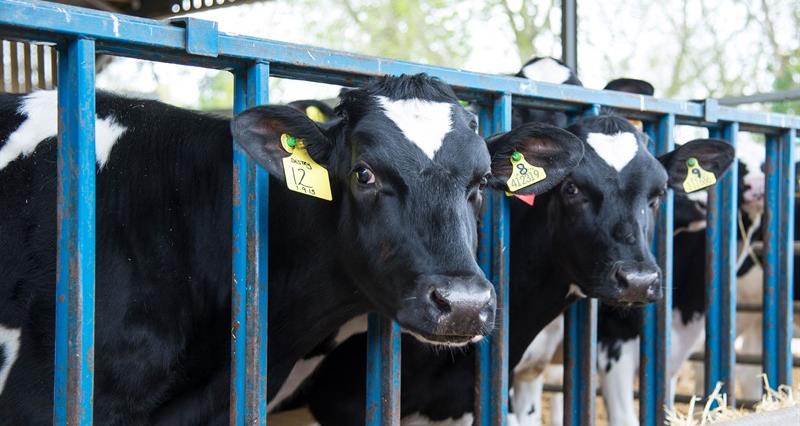
On a misty morning in Somerset, farmer Jane Thompson stood in the middle of her pasture, nervously watching her cattle graze. As the sun rose, casting golden light over her herd, she reflected on the challenges that had beset her farm over the past year. Like many livestock producers in England, Jane faces an uphill battle against endemic diseases that threaten not only the welfare of her animals but also her livelihood. Fortunately for farmers like Jane, there’s a lifeline: a government-funded scheme designed to bolster animal health and welfare.
Eligibility Requirements
The funding initiative, accessible to farmers in England, sets specific eligibility criteria based primarily on livestock numbers. Producers must meet the minimum requirements outlined below:
- 11 or more beef cattle.
- 11 or more dairy cattle.
- 21 or more sheep.
- 51 or more pigs.
Understanding these prerequisites is crucial, especially as the scheme also mandates that farmers undergo an animal health and welfare review before they can tap into the endemic disease follow-up support. As Dr. Emily Watson, a veterinary health specialist at the University of Reading, noted, “This scheme is an essential tool in the fight against disease, increasing the chances of early intervention for farmers.”
Funding Overview
The financial support provided under this initiative is predicated on species rather than the size of the herd or flock. This ensures equitable funding for both large and small producers, provided they meet the basic livestock criteria. Notably, the scheme continues until 19 June 2027, allowing ample time for reviews and claims, with a funding claim deadline set for 19 September 2027.
The funding allocations vary by species, reflecting the differing costs associated with testing and veterinary services. For instance, a review for pigs may yield as much as £557 for the health assessment, while beef cattle can receive up to £522, contingent upon testing outcomes. As stated in a recent report by the Agricultural Health Program, “Ecosystem health is interdependent, and when farmers prioritize animal welfare, it benefits both livestock and their economic viability.”
| Species | Animal health and welfare review funding | Endemic disease follow up funding |
| Pigs | £557 | £923 |
| Sheep | £436 | £639 |
| Beef cattle | £522 | £837 if review result is positive £215 if review result is negative |
| Dairy cattle | £372 | £1,714 if review result is positive £215 if review result is negative |
Understanding the Review Process
For farmers, the animal health and welfare review is the first step in accessing the funds. During this examination, a vet assesses the livestock over approximately 2 to 3 hours, covering various crucial areas:
- Assessment of prevalent diseases and conditions.
- Effectiveness of treatments in place.
- Recommendations for enhancing animal welfare and productivity.
- Addressing biosecurity concerns.
This initial assessment must be recorded meticulously, as claims hinge on the review outcomes. “Ensuring the vet follows proper protocols not only streamlines the funding process but also enhances overall animal health,” cautioned Dr. Thomas Reed, an agricultural economist. “Financial returns from this scheme can be substantial when managed judiciously.”
Testing Procedures
Critical to the review, approved tests must be conducted on the livestock to inform future health decisions. Each species has specific testing requirements involving different techniques. For instance, beef cattle need serum antibody tests, while pigs require tests for Porcine Reproductive and Respiratory Syndrome (PRRS). The exact protocols for testing are outlined in detail, and failure to adhere to these can invalidate claims for payment.
Endemic Disease Follow-Up
After successfully completing the health and welfare review, farmers can opt for an endemic disease follow-up. This secondary assessment aims to delve deeper into the specific disease challenges identified in the initial review, reinforcing the focus on improving animal health across the farm.
This follow-up is particularly significant because it allows farmers to adapt their practices based on dynamic health concerns. The government encourages using existing testing schedules to minimize disruptions. In a 2022 study published in the Journal of Veterinary Medicine, researchers discovered that farms engaging in regular reviews exhibited up to a 30% reduction in disease incidence.
Claiming for Support
Claiming for funding begins post-review, where farmers will utilize their vet’s report. Comprehensive documentation ensures that claims adhere to the established timelines, enabling farmers to access vital resources without undue delay. The overall framework not only prioritizes health improvements but also aligns with broader governmental initiatives aimed at sustainable agriculture.
For many farmers like Jane, navigating this intricate system of reviews, funding, and follow-ups appears daunting yet promising. As she eyes her thriving herd, bolstered by the financial backing of the animal health and welfare initiative, she finds solace in knowing that support is available. The future of England’s livestock farming relies not just on preserving animal health but on empowering farmers to thrive, mitigate risks, and embrace innovation. This scheme stands as a beacon of hope amidst an ever-evolving agricultural landscape.
Source: www.nfuonline.com

