


From Vincent van Gogh to Virginia Woolf: Redefining the Tortured Artist Archetype
In a packed London theatre, audiences gasp as a performer, embodying a character facing unbearable grief, delivers a heart-wrenching soliloquy. Outside the spotlight, however, a different kind of emotional labor is taking place. Behind the scenes, the production team ensures that the cast is supported, not just as artists but as human beings processing complex, often traumatic themes. This evolving approach marks a significant shift in the arts, as industry leaders refute the long-standing belief that suffering is a prerequisite for brilliance.
The Enduring Myth of the Tortured Artist
The figure of the tortured artist—those who suffered in silence to create compelling works—has been ingrained in the public consciousness, manifesting in the tales of icons like Vincent van Gogh and Amy Winehouse. But this romanticized narrative is increasingly being challenged. Annilese Miskimmon, the artistic director of English National Opera, emphasizes the need for support rather than martyrdom. “Artists don’t need help because they’re weak; they need it because they’re strong,” she asserts. “They’re strong enough to rehearse deeply traumatic parts multiple times a day and then perform those roles to order in front of thousands of people.”
The Push for Wellbeing in the Arts
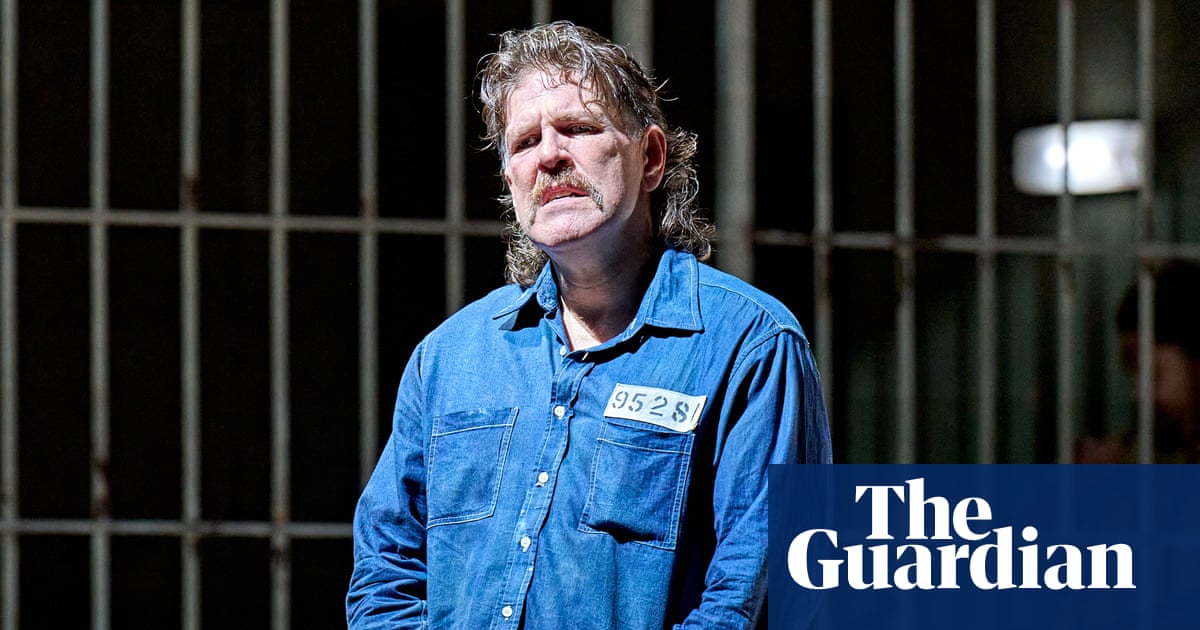
The prevailing cultural narrative around the tortured artist is gradually being dismantled, replaced by a growing movement advocating for mental health support within the creative sector. Organizations like Artist Wellbeing are leading the charge, providing essential support to performers dealing with the psychological toll of emotionally challenging material. Miskimmon’s use of their services during her direction of “Dead Man Walking” is just one example of this new ethos. “With this production, it would not only have been irresponsible not to provide support, but it would also have risked impacting our final production,” Miskimmon states.
- 84% of UK actors report work-related stress or anxiety.
- 1 in 4 actors consider leaving the industry due to mental health issues.
- High levels of depression and financial instability are reported within the theatre community.
Such statistics signal an urgent need for change. The Film and TV Charity’s recent studies reveal alarming stress levels in the industry, underscoring the necessity of addressing mental health proactively. Lou Platt, founder of Artist Wellbeing, warns, “Too many artists still labour under the belief that suffering is essential for creative excellence and authenticity.” Yet the reality is stark: trauma can inhibit rather than inspire creativity.
A Paradigm Shift in Creative Practices
Since the #MeToo movement, directors and producers are increasingly adopting new methodologies that prioritize mental health. No longer is it accepted that pushing artists to their emotional limits is a legitimate form of creative expression. Liz Counsell, executive director of Dan Daw Creative Projects, reflects on this sea change. “The ‘tortured artist’ isn’t a safe or reliably productive way to create art,” she says. “If an artist is still processing trauma, they can only go so far.” Instead, providing therapeutic support allows artists to delve deeper into their work without the crippling burden of unaddressed pain.
Embracing the Art of Recovery
This evolving perspective challenges the notion that art is born from suffering. Playwright Sophia Griffin, who has benefitted from working with wellbeing practitioners, argues that trauma can stifle creativity rather than fuel it. “Realising my own buried pain freed me to write more authentically,” Griffin explains. Her experiences highlight a profound insight: removing the stigma surrounding mental health can liberate creativity rather than diminish it.
Today, many artists report significant improvements in their work after receiving appropriate support. Platt emphasizes that artists can still access intense emotional pathways with therapeutic assistance, enabling them to use their experiences as fuel for creativity without being consumed by them. “They simply find they’re able to use their lived experience in service of the art, rather than letting the art use them,” she explains.
Redefining Artistic Excellence
As the belief that suffering equates to artistic authenticity fades, a more inclusive narrative is emerging—one that embraces the diversity of mental experiences without vilifying vulnerability. Elizabeth Johnson, a psychologist specializing in performance arts, offers a powerful perspective: “A healthy artist is often a productive artist. This is about fostering a culture where mental health is prioritized, enabling artists to thrive both personally and creatively.”
The shift is not only beneficial for individual artists but can also transform the industry landscape, paving the way for richer, more diverse narratives that resonate with a wider audience. By valuing mental wellbeing, the arts can flourish without the burden of internalized suffering, thereby redefining what it means to create.
As the conversation continues to evolve, it becomes clear that the future of creative expression lies not in the shadow of trauma but in the light of understanding, resilience, and support. No longer are artists required to endure suffering in silence; instead, they are encouraged to seek the help that empowers them to produce their finest work. In this new narrative, creativity is a testament to strength, not strife.
Source: www.theguardian.com

