


The Year of the Boy: Unpacking the Fallout from the Netflix Drama ‘Adolescence’
As the final credits rolled on the groundbreaking Netflix drama Adolescence, a palpable silence engulfed viewers across British households. A cacophony of emotions bubbled under the surface—a mix of shock, horror, and a desperate need for reflection. The series, which depicts the harrowing story of a 13-year-old boy arrested for killing a female classmate, sparked nationwide conversations about toxic masculinity and the disquieting influences of the manosphere. From the school gates to the corridors of power, the drama didn’t merely entertain; it incited an urgent dialogue about a demographic often marginalized in societal discussions: boys.
From Screen to Society
In January, former England football manager Gareth Southgate articulated the growing concern when he warned about the “callous, manipulative and toxic influencers” targeting young boys. “It’s imperative that we understand who’s shaping their perspectives,” he stated in a public address. As the year unfolded, a series of high-profile campaigns and policy shifts beginning with studies like the Centre for Social Justice’s Lost Boys report suggested that boys were increasingly being left behind—not just in education, but in mental health and emotional development as well.
The Clamor for Change
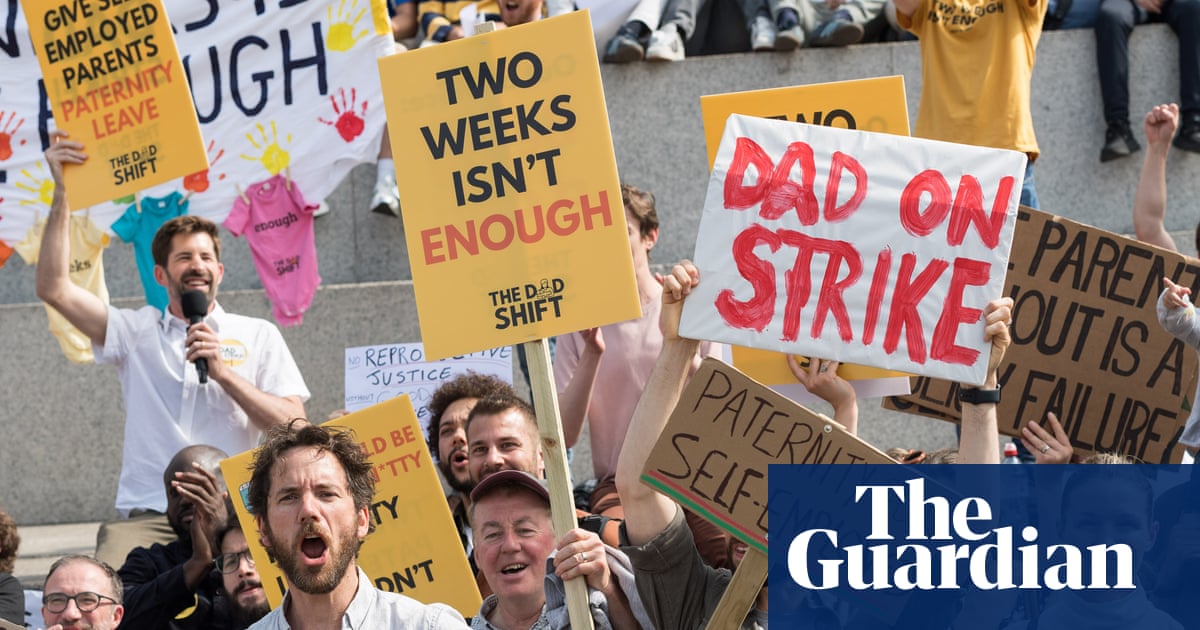
- First-ever “Dad Strike”: In June, fathers united in London and Edinburgh to protest inadequate paternity leave policies, echoing parental discontent that reverberated throughout 2025.
- Launch of the Men’s Health Strategy: In November, the government introduced its inaugural Men’s Health Strategy for England, marking a paradigm shift in how men’s issues are perceived at a national level.
- Parliamentary Advocacy: Labour MPs organized a WhatsApp group and later formed a parliamentary initiative focused on the needs and rights of men and boys, indicating a concerted effort to promote positive male role models.
The discourse around boys’ mental health and societal roles shifted dramatically, with Natalie Fleet, MP for Bolsover, highlighting this change. In a recent debate for International Men’s Day, she passionately spoke about the “incredible men in our communities,” including her own husband, whom she hailed as an “actual hero” for his active role in family life. “These are men doing the right thing, and we must amplify their stories,” she urged.
The Influence of Toxic Masculinity
Yet, as conversations evolved, so did the concerns about the lingering influence of toxic figures like Andrew Tate. Despite facing numerous legal challenges, Tate remains a potent symbol within some circles; a recent poll revealed that 20% of UK males aged 16 to 29 who were aware of Tate held a positive view of him. The societal implications are unsettling—both for boys growing up in his shadow and for girls navigating a world where such influencers prevail.
Counters to the Culture
In response, organizations like Movember and Equimundo launched the Young Men and Media Collective, aiming to create alternative narratives to counter these toxic influences. “Policymakers are finally recognizing that boys are not just the perpetrators but also victims of harmful narratives,” stated Amy O’Connor, policy lead at the charity. “The question is, how can we provide young men with healthier masculinities?”
This sentiment resonates across the political spectrum. MP Adam Thompson of Erewash emphasized the importance of targeted policies for boys and men: “The patriarchy harms everyone—men included. It’s not about competition between genders but about finding pathways to uplift all.”
Engaging with the Nuances
The year 2025 has undoubtedly ushered in a renewed focus on boys, yet this surge is not without its complexities. Joeli Brearley, founder of the campaign group Pregnant Then Screwed, raised concerns regarding the backlash against women’s rights: “The discussions we see today about boys shouldn’t come at the cost of silencing women’s voices. There is room for both to coexist.” Brearley recently launched a podcast called To Be a Boy, where she dives into the nuances of boyhood today, fostering dialogue that emphasizes both challenges and triumphs.
Finding a Path Forward
As discussions continue, there’s a growing movement to combat outdated masculine ideals while simultaneously promoting new ones. George Gabriel, co-founder of The Dad Shift, remarked, “The situation is dire, but there’s cause for optimism. We are beginning to understand what healthy masculinity can look like.”
The dialogue inspired by Adolescence has turned into a clarion call, one that reflects an evolving understanding of what it means to be a boy in today’s society. The shifting narrative—from despair to hope and from toxicity to empowerment—has laid the groundwork for a collective reckoning. As the year draws to a close, the emphasis on uplifting male role models might just forge a new era in which masculinity is redefined, allowing boys to thrive without succumbing to the shadows of toxic influences.
Source: www.theguardian.com

