


Obesity and Cholesterol: Exploring the Potential of Black Cumin Seed in Reducing Health Risks
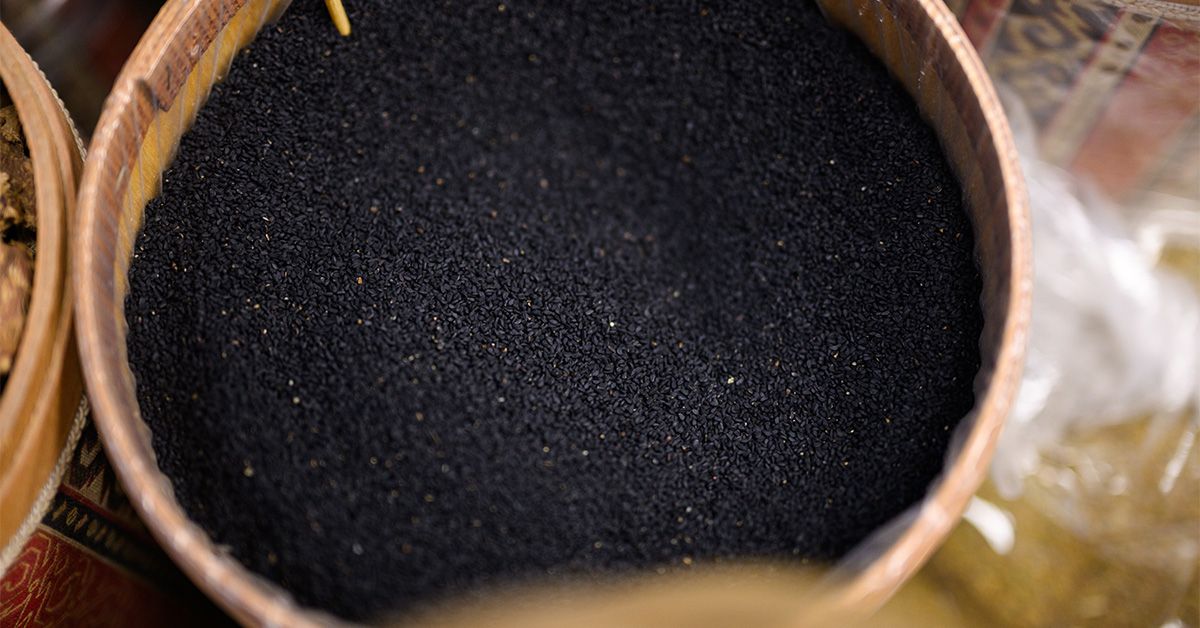
In the heart of a bustling marketplace in Dhaka, Bangladesh, a vendor shouts out the remarkable health benefits of black cumin seed, known locally as kalonji. Among the vibrant displays of spices and herbs, this tiny seed holds promise for addressing two critical components of modern health: obesity and cholesterol. As the global prevalence of these issues steadily rises, researchers are increasingly investigating natural remedies that may help mitigate associated risks, particularly heart disease and metabolic disorders.
The Weight of the Issue
Obesity and dyslipidemia remain leading contributors to cardiovascular ailments, with millions affected worldwide. According to the World Health Organization, over 650 million adults were considered obese in 2016, and that number continues to grow. The intertwining relationship between cholesterol levels and body weight complicates the landscape of health management. High levels of low-density lipoprotein (LDL)—often labeled as “bad” cholesterol—can result in clogged arteries, increasing the risk of heart disease. Conversely, maintaining a healthy weight is crucial for managing cholesterol levels.
Despite many medical interventions available, there is a growing interest in natural remedies, particularly as lifestyle-related diseases become more prevalent. A recent study published in Food Science & Nutrition shines a spotlight on black cumin seed powder, linking it to potential improvements in cholesterol profiles and fat cell dynamics.
Unpacking the Study
The research aimed to delve deeper into the properties of black cumin seed extract, known for its various health benefits. Researchers identified that the extract comprises 23 fatty acids, primarily unsaturated, along with significant levels of phenolic compounds and flavonoids, indicating a commendable antioxidant capacity. These properties underlie its potential in managing fat accumulation and cholesterol levels.
Cellular Insights
Using a cellular model, researchers focused on preadipocytes—the precursors to mature fat cells. They induced these cells to mature and examined how black cumin seed extract affected their growth. The findings were promising:
- Cells treated with black cumin seed extract exhibited significantly lower lipid buildup.
- The extract reduced the activity of a key enzyme responsible for forming triglycerides.
- Key proteins related to fat cell development were also diminished in treated cells.
These findings indicate that black cumin seed extract could serve as a natural agent against the growth of fat cells, prompting further exploration in human subjects.
A Human Touch
Following the cellular studies, researchers conducted a randomized controlled trial involving 42 participants with obesity or overweight and borderline high cholesterol levels. Participants were divided into an intervention group receiving 5 grams of black cumin seed powder daily and a control group. Over the eight-week study, notable changes emerged:
- The intervention group experienced a decrease in total cholesterol and LDL, along with an increase in high-density lipoprotein (HDL), or “good” cholesterol.
- The control group showed no significant changes in their cholesterol levels.
This trial provided compelling evidence that black cumin seed may aid in managing cholesterol, but it also raised questions about the sample size and study duration. Christopher Gardner, a nutrition scientist at Stanford University who was not involved in the study, underscored this concern: “A portion of this paper is a randomized trial among ~40 individuals. Typically, that is not a large enough sample size to test a hypothesis about blood cholesterol impacts.”
The Path Forward
Despite the exciting findings, researchers caution that much work remains before black cumin seed can become a mainstream treatment. Dr. Aaron Chapa, an alternative clinical nutrition practitioner, remarked, “This study deepens our understanding by showing how black cumin seed affects lipid regulation. However, it’s vital to conduct further studies with larger and more diverse populations.”
Although findings suggest a positive trend in managing obesity and cholesterol levels through black cumin seed, researchers acknowledge the limitations of their study. They noted the absence of a placebo group, which introduces potential biases. Participants’ self-reported changes in appetite were also noted to require careful interpretation.
Looking at Lifestyle
The potential of black cumin seed doesn’t just highlight a singular solution but emphasizes a broader, integrative approach to health. Nutritionists advocate for a multi-faceted strategy involving a balanced diet and regular physical activity in conjunction with any potential natural supplements.
Conclusion – The Promise of Natural Remedies
As evidence accumulates around the benefits of black cumin seed, it stands as a promising avenue in the ongoing battle against obesity and cholesterol-related health issues. While researchers continue to unlock the mechanisms behind its efficacy, individuals should consider consulting healthcare professionals before adding new supplements to their routines. As Aaron Chapa aptly put it, “With each new study, we’re uncovering mechanisms behind long-observed wisdom rather than discovering new magic.” The journey towards holistic health continues, but with each finding, hope grows for more natural solutions to modern health challenges.
Source: www.medicalnewstoday.com

