


Bournemouth Sustains Movements for Men’s Mental Health
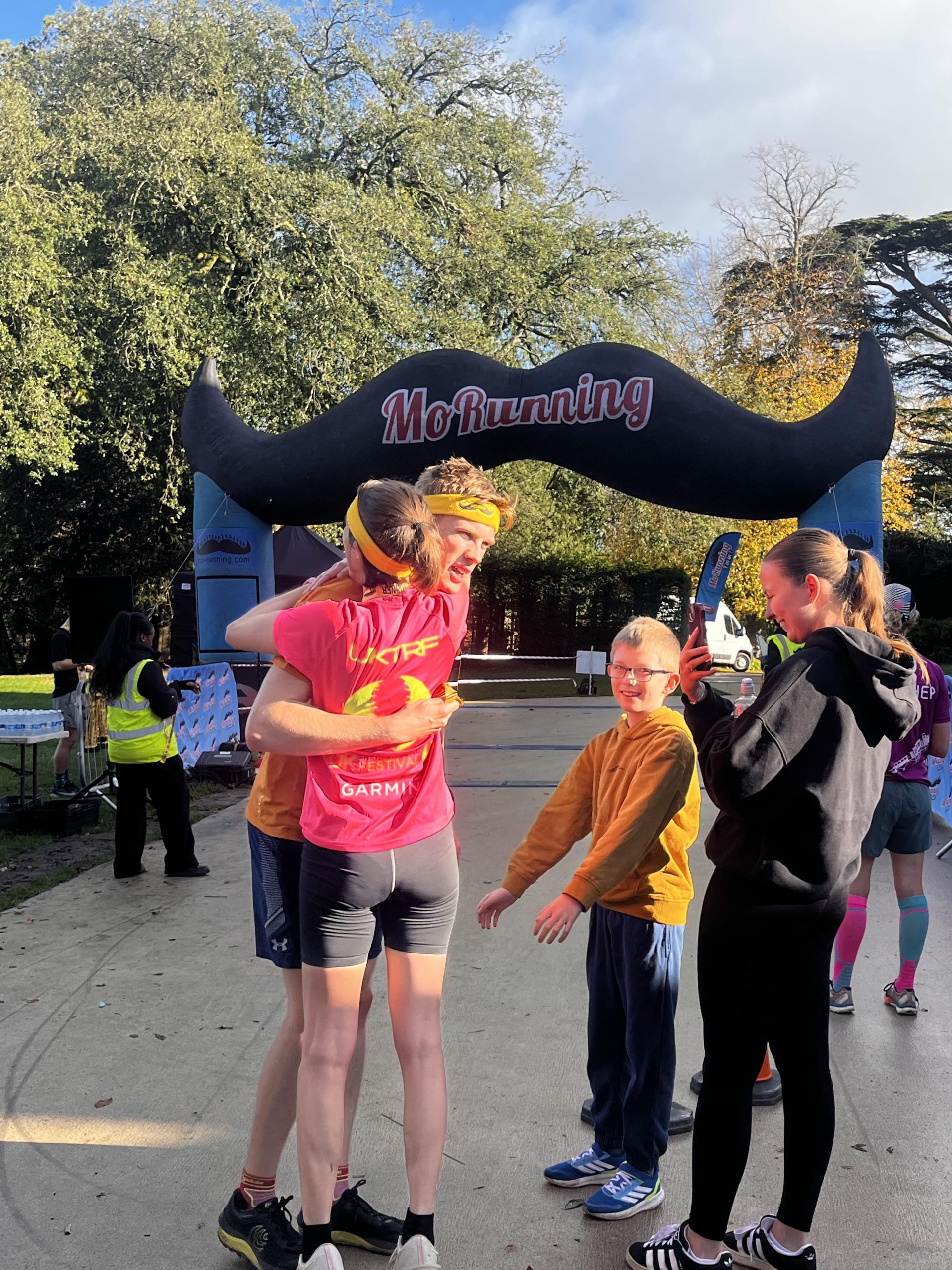
In the early morning light, a group of men gathers in a coastal park in Bournemouth, their laughter mingling with the salty breeze. This is not just a casual meetup; it’s a part of a movement addressing a silent crisis—men’s mental health. As they engage in everything from light-hearted banter to deeper discussions about their challenges, it becomes clear that this group embodies a changing narrative: vulnerability in men is not a weakness, but a strength.
The Growing Concern
Recent studies show that men are disproportionately affected by mental health issues, yet societal expectations often lead them to suppress their feelings. According to a 2022 report by the Mental Health Foundation, men are only half as likely as women to seek help for mental health problems. This has dire implications; men account for around 75% of all suicides in the UK. With these alarming statistics, communities like Bournemouth are working tirelessly to forge safe spaces for men to express themselves.
Innovative Approaches
Local initiatives are being spearheaded by organizations such as Men Unite and the Bournemouth Men’s Group, both aimed at dismantling the stigma surrounding men’s mental health. Dr. Emma Sutherland, a clinical psychologist who works closely with these groups, states, “Community-driven efforts in places like Bournemouth are proving that when men feel supported, they are more likely to open up about their struggles. Initiatives that mix physical activity with mental health conversations are particularly effective.”
One such initiative is the “Men’s Walk and Talk” program, where participants engage in casual walks along the picturesque Bournemouth coastline, allowing for organic conversations to flourish. Local resident Mark Thompson, who has attended for six months, shares, “The walks are a game changer. I used to bottle everything up, but being out in nature with others makes it easier to discuss what’s really going on in our lives.”
Breaking Down Barriers
Despite these positive developments, barriers still persist. Many men struggle with the fear of being judged or perceived as weak. According to a 2023 survey conducted by Bournemouth University, over 60% of local men reported feeling uncomfortable discussing their mental health issues openly. Expert in male psychology, Dr. James Harris, emphasizes, “Traditional masculinity norms are hard to break, but initiatives that promote shared experiences and peer support can create a more accepting culture.”
The Role of Social Media
In an age dominated by technology, social media plays a pivotal role in shaping perceptions. Platforms like Instagram and Facebook have become spaces where men are increasingly vocal about their mental health journeys. This digital shift complements local movements, as individuals can share their stories, thereby fostering a sense of community that transcends geographical boundaries.
- Increased Visibility: Social media campaigns are gaining traction, drawing attention to men’s mental health.
- Relatable Content: Influencers and everyday people sharing personal experiences resonate with other men.
- Encouraging Dialogue: Platforms provide a safe medium for discussions that might otherwise remain private.
Impact and Future Directions
The impact of these initiatives in Bournemouth is tangible. According to a recent evaluation conducted by the Bournemouth Council, participation in men’s mental health programs has led to a 40% increase in individuals seeking professional help. Local charities are reporting higher engagement levels at support groups, signifying that the stigma associated with mental health is gradually eroding.
Community leaders are now advocating for funding to expand these programs, recognizing that ongoing support is crucial. “We hope to establish more regular events and collaborations with healthcare providers,” explains Sarah Jones, director of Men Unite. “If we can provide accessible resources, we can foster a culture where mental health is prioritized.”
The Promise of Education
Education is another crucial aspect of this movement. Workshops aimed at teaching emotional literacy are being implemented in schools and workplaces. Educators argue that when young men are given the language to express their emotions, they are better equipped to handle them in adulthood. An anonymous survey from a local educational institution indicated that over 70% of male students felt unprepared to discuss their feelings; integrating mental health topics into the curriculum could be transformative.
A Cultural Shift
The evolving conversation around men’s mental health in Bournemouth is not just limited to local initiatives. It reflects a broader societal shift where men are gradually becoming more comfortable with vulnerability. “This is a cultural change we are witnessing,” remarks Dr. Sutherland. “When men endorse emotional expression, they challenge age-old stereotypes and pave the way for younger generations to embrace their mental health.”
As the sun dips towards the horizon, the laughter of the Bournemouth men reverberates through the seaside. They are navigating their challenges, building bonds of camaraderie, and challenging stigma—one conversation at a time. The journey is far from over, but the path they carve out today will undoubtedly influence how future generations view mental health. In a town once labeled a holiday destination, Bournemouth is emerging as a beacon of hope in the realm of men’s mental health advocacy.
Source: buzz.bournemouth.ac.uk

