


A young boy sits amidst the ruins of what was once his home in Gaza, clutching a frayed teddy bear that seems to have witnessed more horror than comfort. The echoes of bomb blasts and wails of despair form a haunting backdrop to his silent tears. This image captures the haunting reality that mental health experts assert is plaguing an entire generation in Gaza—a reality described by Gwyn Daniel, a leading UK psychotherapist, as a profound psychological crisis following what she terms the genocide in the region.
Psychological Trauma in Gaza
“The trauma inflicted here is unlike anything we have faced in our lifetimes,” Daniel shared during her participation at the Gaza Tribunal held in Istanbul. “The scale is so vast that its long-term consequences remain immeasurable.” As a member of the UK Palestine Mental Health Network and a patron of the Palestine Trauma Centre, Daniel is deeply engaged in the mental health landscape of Gaza. She insisted that the bombing of Gaza has not only obliterated infrastructure but also dissolved the very fabric of society that offers support to its most vulnerable.
“The first point I want to make is that this genocide is having effects on the population that we simply cannot calculate because it is of such immensity,” she asserted, highlighting how individuals grapple with the trauma of bombardment, mutilation, and the profound loss of family members. “There is very little that protects civilians from the trauma, and there is very little help available to them,” she lamented, underscoring an urgent need for psychosocial support amidst systemic devastation.
Community Disintegration
The demolition of schools, mosques, and community centers has stripped civilians of their traditional sources of support during crises. “The protective mechanisms that ordinarily buffer trauma have been annihilated,” Daniel added. She noted that while aid from the international community is essential, the global response is profoundly inadequate. “Reliance on outside actors is fraught with difficulty; the world has essentially abandoned the people of Gaza,” she emphasized, asserting that local services are best positioned to offer aid.
- Inadequate Infrastructure: Many mental health clinics in Gaza have been destroyed.
- Systematic Targeting: Health professionals and facilities have been attacked, exacerbating the crisis.
- Child Mental Health: Children are suffering from unique and compounded trauma due to the violence.
The Impact on Children
Daniel expressed particular concern for the children of Gaza, who she asserts are not mere “collateral damage” but victims of an intentional strategy aimed at destroying their future. “We see clear patterns where children are targeted deliberately,” she noted. Data from a study conducted in early 2023 revealed that over 60% of children in Gaza display symptoms of post-traumatic stress disorder (PTSD), compounded by a lack of stable nutrition and safe environments.
“Fragile children’s bodies cannot recover from malnutrition,” she warned. “Their growth will be stunted for the rest of their lives.” The cruel irony is not lost on Daniel; in settler-colonial systems, children are not merely deprived of the present but also of their potential futures. This deliberate targeting of youth raises profound ethical concerns regarding their rights and the implications for the region’s future.
Local Support Amid Ruins
Despite the overwhelming challenges, local mental health professionals strive to create havens of support. “They are working in the rubble, in tents, and damaged buildings,” Daniel described, highlighting their resilience amidst adversity. Mental health practitioners are heavily focused on children, encouraging them to express their trauma through drawing, storytelling, and group activities. “We must help them articulate what they have been through. It’s crucial for healing,” she said.
Equally important, group counseling provides solidarity among parents, serving as a lifeline in a time of collective despair. “Collective solidarity is what is needed now,” Daniel stated, emphasizing the community aspect of recovery.
Calls to Action from the Global Community
In her impassioned address, Daniel delineated three urgent actions that the global mental health field must pursue:
- Support Local Initiatives: “Support the work of people in Gaza, especially the student psychologists who can be quickly trained,” she urged.
- Break the Silence: Mental health organizations must denounce the genocide, a lack she described as “shameful.”
- Advocate for Recovery Conditions: Ensure basic needs for trauma recovery: safety, validation, and justice.
“None of those things are present,” Daniel concluded, reflecting the dire state of affairs. “But that’s what we must push for—a broader political solution that includes mental health recovery.”
The Gaza Tribunal: Documenting Atrocities
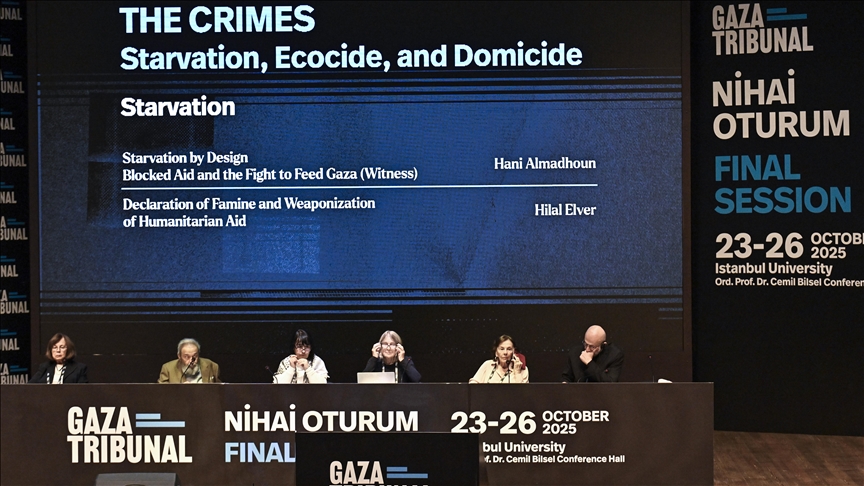
The recent Gaza Tribunal, held over four intense days at Istanbul University, aimed to document the accumulating evidence of what many see as genocide against the Palestinian people. Led by former UN special rapporteur Richard Falk, legal experts and civil society figures focused on complicity, systemic violations, and the urgent need for solidarity. “This is a people’s record of what has happened and is happening in Gaza,” Falk stated, reinforcing the importance of international accountability.
The jurors, a coalition of esteemed figures including Kenize Mourad and Ghada Karmi, aim to compile a comprehensive opinion that summarizes their findings on genocide and apartheid. In a world where the cries of the beleaguered often go unheard, initiatives like the Gaza Tribunal strive to bring forth the narratives that must not be silenced. As the world watches, the staggering psychological toll on Gaza’s population must become a catalyst for change, rather than an afterthought in a narrative of violence.
In this moment of collective anguish and struggle for survival, the voices of survivors and mental health practitioners rise to insist on a future where the cycle of violence is broken and where healing can begin anew.
Source: www.aa.com.tr

