


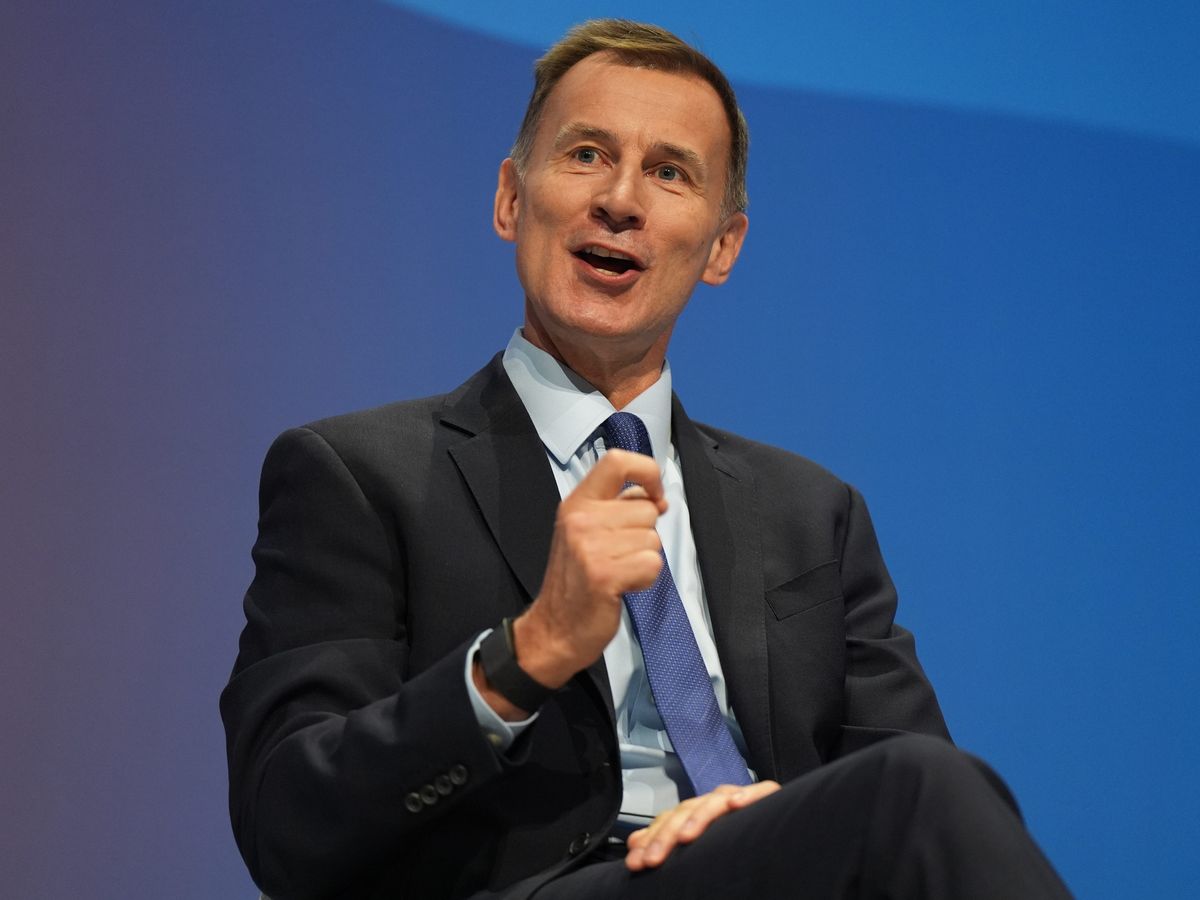
Young People Are Being Overdiagnosed with Mental Health Conditions, Sir Jeremy Hunt Says
In the bustling corridors of a local secondary school in England, a girl named Emily, aged 14, often finds herself grappling with feelings of anxiety and restlessness during lessons. After several consultations with professionals, she was diagnosed with a generalized anxiety disorder, propelled into a system that labels many like her as having special educational needs and disabilities (SEND). Her story is emblematic of the growing concern voiced by Sir Jeremy Hunt, former Health Secretary, who argues that young people are being overdiagnosed with mental health conditions, calling for a radical reformation of the SEND system.
The Rise of Overdiagnosis
According to a recent report by Policy Exchange titled “Out of Control,” definitions of mental health and neurodivergence have expanded so significantly that they now envelop a widening list of conditions, overwhelming both parents and healthcare providers. Sir Jeremy highlights that a staggering one in five children in England are currently identified as having SEND. This policy shift has ignited a critical dialogue regarding the implications of such broad definitions on young people’s identities and experiences.
“The reality is that developmental stages are often messy and uneven,” Sir Jeremy asserts in the report’s foreword. “Our quest to support young people has at times led to an overreliance on medical labels rather than fostering resilience and grit.”
Societal Pressures and Resource Strain
The implications of these diagnoses are far-reaching. With spending on SEND increasing by £4.5 billion since 2015, the financial sustainability of local governments is at risk. Furthermore, the report forecasts that mental ill-health and neurodivergence now account for over half of the post-pandemic increase in claims for disability benefits. This alarming statistic underlines the urgent need for a reevaluation of how society addresses mental health.
The cumulative effect of these diagnoses can be detrimental, fueling a perception problem where young people view themselves through the lens of their labels. Dr. Hannah Mercer, a clinical psychologist with over a decade of experience in child development, states, “When we overdiagnose mental health conditions, we create a self-fulfilling prophecy where children view themselves as ‘different’ and often struggle to meet the same standards their peers do.”
- Heightened financial strain: The increase in SEND diagnoses has led to soaring costs for local authorities.
- Change in identity: Many children internalize labels, impacting their self-esteem and social relationships.
- Medicalization of childhood: Routine variations in child development risk being viewed as pathological.
Calls for Reform Within the System
The report argues for a radical reformulation of Educational Health and Care Plans (EHCPs), suggesting they should be limited to children with severe needs. The goal is to provide tailored support that targets those who genuinely require it rather than offering blanket solutions that risk oversaturating already burdened systems.
Jean-Andre Prager, a co-author of the report, emphasizes the need for systemic change: “Our understanding of disability has dramatically evolved since the Child Disability Living Allowance was established over three decades ago. We must rethink our eligibility criteria to reflect the lived experiences of children today.”
Shifting Perspectives and Future Directions
This push for change has sparked intrigue and debate across multiple sectors, transcending mere political rhetoric and prompting a more nuanced examination of existing policies. It arrives at a time of heightened awareness surrounding mental health, particularly after the isolating impact of the COVID-19 pandemic.
“The goal should be to promote an environment where young people are encouraged to develop resilience rather than being labeled prematurely,” says Dr. Clive Jansen, a leading child psychiatrist. “Policy must evolve to prioritize holistic development, incorporating aspects such as physical activity, social interaction, and emotional well-being.”
As expectations mount for the government to detail its approach to reform in an upcoming white paper, Education Secretary Bridget Phillipson reaffirmed her commitment to ensuring a legal right to adequate support for children with SEND. “Our children deserve a system that acknowledges their varied needs while not boxing them into labels,” she stressed.
With statistics showing that there were 638,745 EHCPs in place as of January 2025—a 10.8% rise from the previous year—urgency permeates the discussion. Critics argue that while well-intentioned, the current policies may unintentionally obfuscate the true spectrum of human development.
Conclusion
As the discourse continues, the concern remains clear: the challenges of child development are complex and cannot be simplified into diagnoses. Sir Jeremy’s assertions echo a growing consensus among practitioners and families alike that the current framework is unsustainable and ultimately misguided. While Emily’s journey reflects the struggles of many, the hope is that a more balanced approach can reshape the support systems for future generations, allowing young people to thrive without the weight of excessive labels.
Source: www.expressandstar.com

