


Probiotics, Dietary Changes May Support Cognitive Function as We Age
In a world where the secrets of longevity and vibrant health are often obscured by quick-fix diets and miracle supplements, recent findings illuminate a profound connection between our gut and brain health. An elderly man in a quaint London café, savoring a bowl of kimchi with his tea, exemplifies this emerging paradigm. As he explains to a curious onlooker how fermented foods helped him regain clarity of thought and improve his memory, he unknowingly encapsulates a growing body of research suggesting that what we eat can significantly influence our cognitive function as we age.
The recent review published in the journal Nutrition Research investigated the transformative potential of modulating the gut microbiome to enhance cognitive health, especially among older adults experiencing early cognitive decline. While past decades may have dismissed the idea of gut bacteria influencing brain trajectories as speculative, the science is now firmly grounded in emerging research.
The Gut-Brain Ecosystem
Each person harbors trillions of microbes in their gut, responsible for critical functions beyond digestion, such as vitamin synthesis and health support. Central to this symbiotic relationship is the gut-brain axis, a two-way communication pathway that intricately links our gastrointestinal system with neural processes. One vital route is the vagus nerve, which connects the gut to the brain, allowing signals to flow between the two. Additionally, short-chain fatty acids (SCFAs)—produced by bacteria during fiber fermentation—can travel to the brain via the bloodstream, potentially influencing cognitive performance.
Despite this promising link, it’s essential to approach the realm of probiotics with caution. As noted by Dr. Sarah Kingsley, a cognitive health researcher at the University of London, “While the benefits of probiotics are often touted, the scientific evidence supporting their efficacy in healthy individuals remains weak. Each person’s microbiome is unique, which complicates the effectiveness of standardized probiotic strains.”
- Probiotics: Live bacteria aiding in gut health and digestion.
- Prebiotics: Dietary fibers that nourish beneficial gut bacteria.
- Fecal Microbiota Transplant (FMT): A more experimental approach to microbiome modulation.
Understanding the Review’s Insights
The review synthesized data from 15 studies spanning 10 countries, including over 4,200 individuals over the age of 45. Here are some crucial findings from this research:
Dietary Interventions
Key nutrients such as Vitamin B12, folate, choline, and methionine have been shown to support essential processes like gene expression and energy production. The authors of the review found that dietary modifications could remodel the gut microbiome, enhancing SCFA production and stabilizing neurotransmitter networks. As Dr. Antonio Lima, a nutrition specialist, states, “What we eat shapes the very composition of our gut microbiome, influencing inflammation levels in the brain and consequently affecting cognitive health.”
Probiotics and Synbiotics
Interestingly, the review revealed that both probiotics and synbiotics were linked to improvements in cognitive functions, particularly verbal fluency and executive abilities like working memory and cognitive flexibility. The authors concluded that increased diversity in the gut microbiome reflects overall microbiome health, which in turn affects neurotransmitter pathways.
Fecal Microbiota Transplant (FMT)
Although research on FMT is still in nascent stages, preliminary findings have shown promising results. Studies involving individuals with Alzheimer’s disease indicated that FMT could effectuate more rapid changes in the gut microbiome compared to traditional probiotics, yielding notable improvements in cognitive performance. However, as Dr. Tara Mitchell, an expert in microbiome research, cautions, “While the results are striking, the accessibility and ethical considerations surrounding FMT require vigilant scrutiny.”
Strides Toward Practical Interventions
Ultimately, the pathways to enhancing cognitive health through gut microbiota modulation appear optimistic, albeit nascent. The review advocates for more extensive research, emphasizing that current studies are primarily short-term and limited in scope. Commercially available probiotics often prioritize safety over targeted health benefits, making them less effective in enhancing cognitive health.
Dr. Federica Amati, a medical scientist at Imperial College London, emphasizes the importance of dietary choices in shaping our gut health. “The majority of people in developed nations do not meet their daily fiber intake. Without sufficient fiber, our beneficial gut bacteria struggle to thrive,” she explains. Amati recommends incorporating a diverse range of plant-based foods into our diets, aiming for at least 30 different plants weekly to cater to diverse microbial preferences.
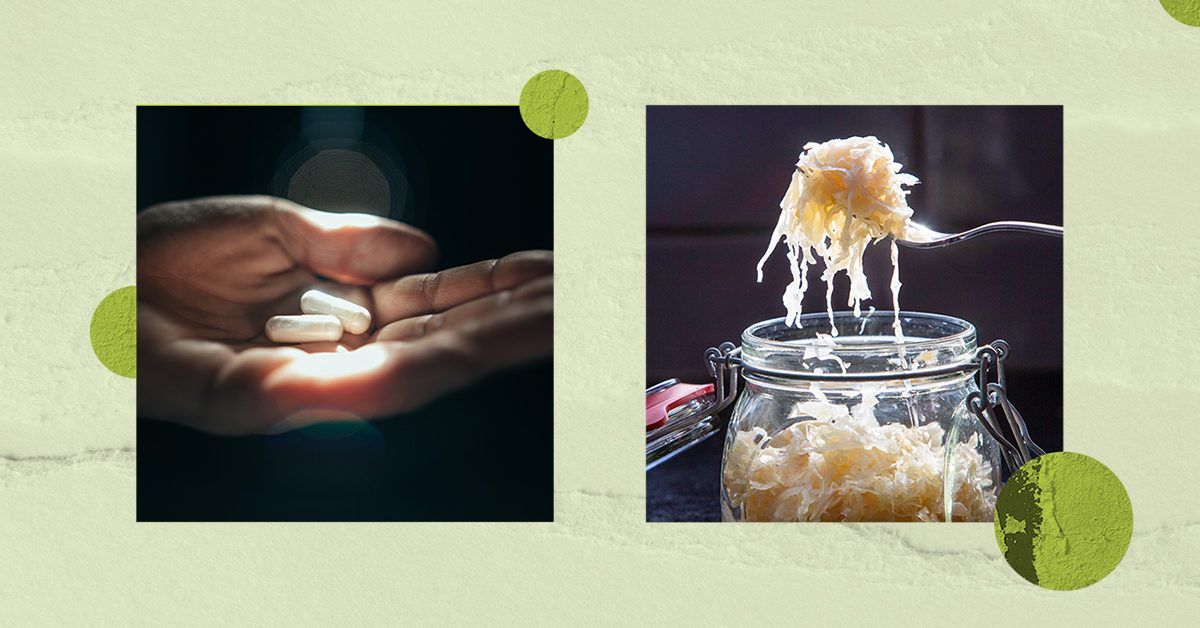
Moreover, reducing ultra-processed food consumption can further promote good gut flora. Fermented foods like kimchi and sauerkraut are also excellent options, providing natural sources of probiotics that could be more effective than commercially available supplements.
In this evolving landscape of nutritional science, the story of the elderly man in the London café serves as a compelling reminder that often our most profound health solutions lie within the simplest choices we make daily. As we continue to uncover the intricate relationships between our gut and brain, one fact remains abundantly clear: nurturing our microbiome may be a potent keys to preserving cognitive vigor as we gracefully age.
Source: www.medicalnewstoday.com

