


AI in Stroke Care: A Revolutionary Shift in Patient Outcomes
As the first rays of dawn broke over the bustling wards of a hospital in Wuhan, China, Dr. Li Zhao prepared for another day of overseeing patients who had suffered acute ischemic strokes. Among them was a 68-year-old woman named Mei, who had survived her first stroke but was haunted by the fear of recurrence. For Mei and millions like her, every sunrise brought with it a looming uncertainty. However, recent research indicates that artificial intelligence (AI) could drastically alter such grim narratives, promising improved care and reduced risks of recurrent strokes.
The Promise of AI in Clinical Decision Making
Every year, stroke continues to be a major global health concern, claiming nearly 795,000 lives in the U.S. alone. The weight of prevention falls heavily on clinicians, who employ a spectrum of strategies to mitigate the risks of recurrent strokes. Traditionally, this process has been cumbersome and resource-intensive.
To alleviate some of these burdens, researchers have explored Clinical Decision Support Systems (CDSS), particularly those enhanced by AI. These systems utilize extensive data analysis from electronic health records, enabling physicians to make informed, real-time decisions. The recent study published in The BMJ indicates that AI-supported CDSS can enhance the quality of stroke care significantly.
- Improved Patient Outcomes: AI tools led to notable reductions in the recurrence of vascular events.
- Cost-Effectiveness: The integration of AI offers a sustainable option for stroke management, particularly in emerging healthcare settings.
- Scalability: The AI-based system provides a feasible model for use in various healthcare environments.
Research Findings and Methodology
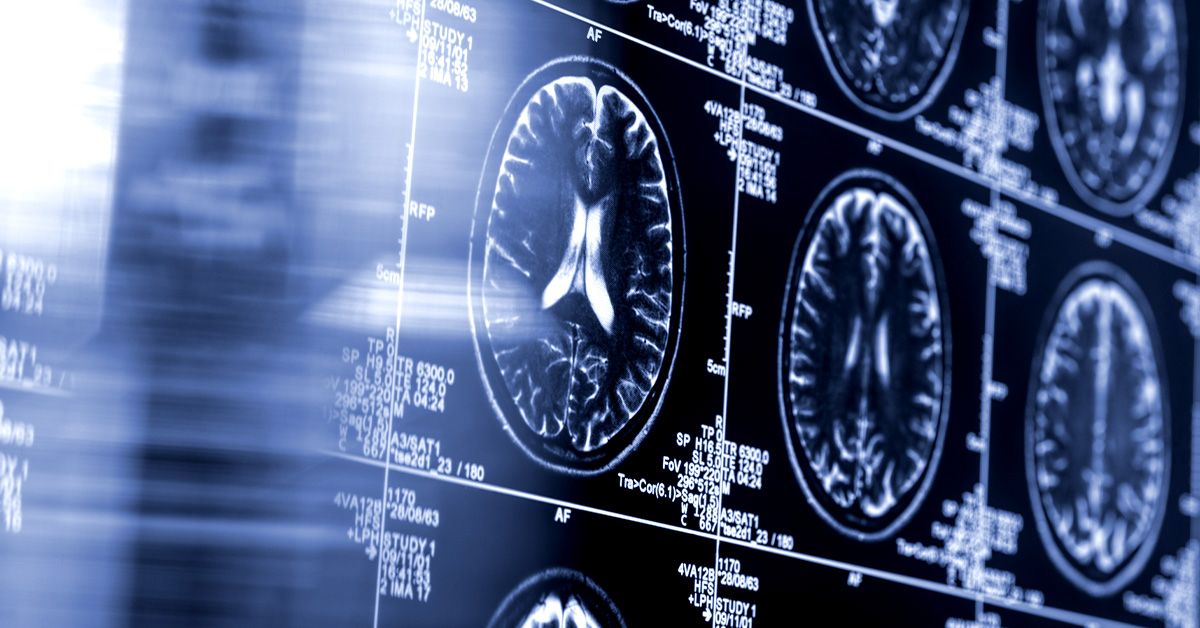
Conducted across 77 hospitals in China, the study involved over 21,000 participants aged 67 on average. Divided into two groups, one received the AI-driven CDSS treatment while the other received standard care. Physicians using the CDSS were trained to analyze brain scans, classify stroke causes, and provide tailored treatment recommendations, encompassing factors such as age, medical history, and lifestyle.
“This is the first study of its kind that not only assists in diagnosis but actively improves the quality of care,” said Dr. Christopher Yi, a board-certified vascular surgeon not involved in the study. “What stands out is its ability to integrate various aspects of care, guiding clinicians through the complex decision-making involved in stroke management.”
Key Outcomes and Clinical Significance
The results are striking. The intervention group saw a 26% reduction in new vascular events within three months, with only 2.9% experiencing such events compared to 3.9% in the control group. This reduction persisted into the following year, reinforcing the reliability of AI in clinical settings. Quality measures showed improvement as well — the intervention group achieved a performance score of 91.4% against 89.8% for usual care.
Dr. Yi elaborated, “While the overall increase in composite quality scores is modest, individual metrics such as dual antiplatelet use and anticoagulation for atrial fibrillation improved significantly. These are crucial for secondary prevention.”
Of notable importance, the study indicated that AI implementation did not escalate risks for patients. There were no significant differences in disability, mortality, or complications from bleeding within any follow-up periods. “The decline from 3.9% to 2.9% in recurrent events speaks volumes about the practical gains,” Dr. Yi emphasized.
Barriers to Implementation
Despite the promising results, the path to widespread AI integration in stroke care is fraught with challenges. Critics have pointed to health systems struggling with resource shortages and heavy workloads. “The technology itself is only part of the equation,” Dr. Yi cautioned. “The real hurdles involve workflow integration, technical support, and clinician adoption.”
The study suggests that an integrated approach necessitates not only robust infrastructure but also a commitment from health institutions to train their personnel adequately. This holistic commitment can seem daunting, particularly for facilities already under strain from limited budgets and staffing.
The Future of AI-Enhanced Stroke Care
As stroke remains a leading cause of long-term disability and death, the role of AI in transforming the landscape of stroke management is becoming more apparent. Implementing AI-powered CDSS can serve as a comprehensive tool, enhancing both hospital care and secondary prevention strategies. The potential for scalable, high-quality stroke care is particularly relevant in resource-limited environments, where the burden of cerebrovascular disease is often most acute.
“The next challenge is not merely proving that AI can help; it is establishing that it can be deployed in a way that is explainable, affordable, and trustworthy across various clinical settings,” Dr. Yi concluded. As healthcare systems worldwide explore AI’s capabilities, studies of this nature emerge as beacons of hope, illuminating the path forward in the relentless fight against stroke.
In a world where technology continually reshapes healthcare, the story of Mei and countless others could soon shift from fear of recurrence to a renewed sense of safety and hope, all thanks to the remarkable advances made possible by AI.
Source: www.medicalnewstoday.com

