


Biotechnology: The Cornerstone of Scientific Progress in the United Kingdom
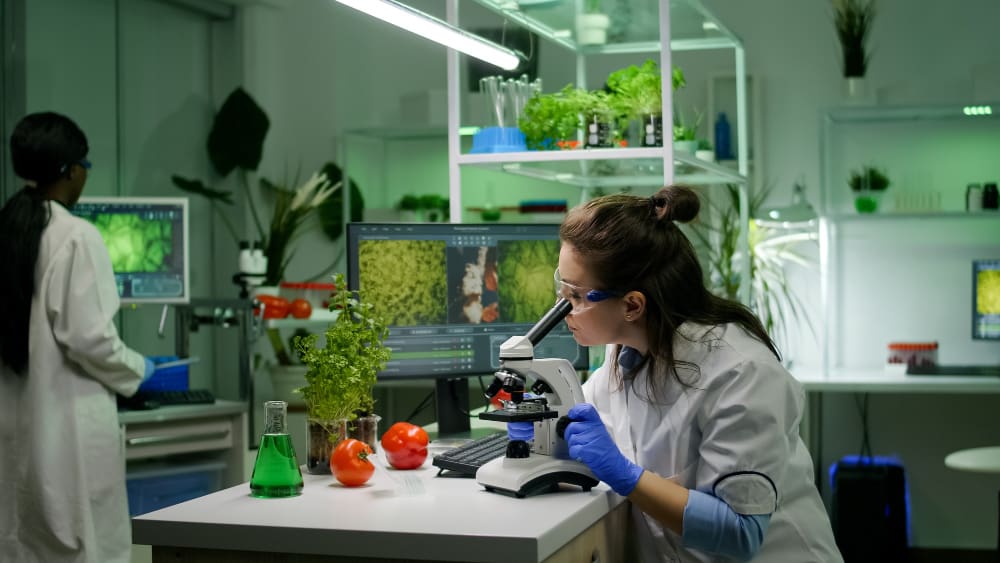
Every morning, researchers at the Francis Crick Institute in London gather to explore the complexities of human biology, guided by a singular ambition: to unlock the secrets that could lead to groundbreaking treatments for chronic diseases. Amidst the welter of lab coats and whirring centrifuges, one might capture the essence of a field that is not just about science; it is about the future of humanity itself. The United Kingdom, blessed with a rich tapestry of innovation, is not merely participating in the global race of biotechnology; it is leading the charge.
Understanding What Biotechnology Really Involves
Biotechnology is fundamentally the application of biological processes, organisms, or systems to create innovative products. This ranges from the development of advanced pharmaceuticals to environmentally friendly farming techniques. According to Dr. Helen Cartwright, a notable researcher at Cambridge University, “Biotechnology harnesses the power of living systems to address some of the most pressing challenges we face—from healthcare to climate change.”
Key Factors Driving Biotechnology Development in the UK
The UK’s exceptional research ecosystem drives its success in biotechnology. Factors such as:
- World-Class Institutions: The collaboration between leading universities and industries accelerates innovation.
- Government Support: Initiatives and funding aimed at life sciences research significantly bolster the sector.
- Investment Demand: The growing need for personalized medicine and advanced diagnostic tools has attracted investment.
Moreover, venture capital and research grants strengthen the startup ecosystem, creating a vibrant pipeline for innovation.
The Role of Innovation and Advanced Research
Innovation is the lifeblood of the UK’s biotechnology sector. The rise of gene editing technologies like CRISPR and advances in molecular diagnostics are particularly noteworthy. As noted by Dr. Marcus Fenwick, a biotech entrepreneur, “Our ability to modify genes and develop targeted therapies is revolutionizing medicine. The potential applications are limitless.”
Changing Healthcare and Industrial Applications
Healthcare systems are rapidly integrating biotechnology-driven treatments. These include biologics—substances naturally produced by living cells—and precision medicine, which tailors therapy to individual patients’ genetic makeups. In agriculture, biotechnological innovations are promoting crop resilience and sustainable practices, while industrial biotechnology employs biological catalysts for sustainable manufacturing processes.
Benefits and Strategic Advantages
Biotechnology brings forth a multitude of benefits, such as:
- Medical Innovation: Accelerates the discovery of advanced treatments.
- Scientific Advancement: Promotes cutting-edge research across diverse fields.
- Sustainable Solutions: Encourages eco-friendly industrial practices.
- Economic Growth: Creates high-skilled job opportunities.
- Global Competitiveness: Fortifies the UK’s position in international life sciences.
These advantages reinforce the nation’s status as a pivotal player in the global life sciences community.
Regional Expansion and Research Hubs
Biotechnology is thriving in key regions such as London, Cambridge, and Oxford, where numerous research hubs have emerged. The synergy between established firms and innovative startups within science parks and collaborative centers fosters groundbreaking projects. Additionally, international partnerships are vital. As highlighted in a 2022 study by the National Institute for Biotechnology, cross-border clinical research initiatives enhance knowledge exchange among global counterparts.
Challenges Facing the UK Biotechnology Sector
While the UK biotechnology sector grows, it is not without challenges. A significant hurdle is the regulatory approval process, often lengthy and intricate, presenting obstacles to timely clinical applications. Furthermore, the high cost of research necessitates sustained funding. Dr. Emily Hook, a policy advisor, asserts, “We must navigate these complexities carefully to avoid stifling innovation while ensuring ethical oversight, particularly in sensitive areas like gene editing.”
Future Outlook of Biotechnology in the UK
The future landscape of biotechnology in the UK is vibrant, with an emphasis on personalized medicine, gene therapy, and sustainable biomanufacturing. The integration of artificial intelligence and computational biology is expected to significantly speed up research breakthroughs. An emerging trend is collaborative innovation, wherein academia and industry increasingly work together to tackle pressing health and environmental challenges.
As the clock ticks toward a future shaped by biotechnology, the United Kingdom stands poised to carve new paths. The blend of seasoned expertise and youthful innovation echoes through laboratories and boardrooms alike—a testament to a resilient and forward-thinking community focused on not just progress, but a better world for all. In this unfolding narrative, one thing remains clear: biotechnology is not merely an industry; it is an essential cornerstone of scientific and economic transformation.
Source: vocal.media

