


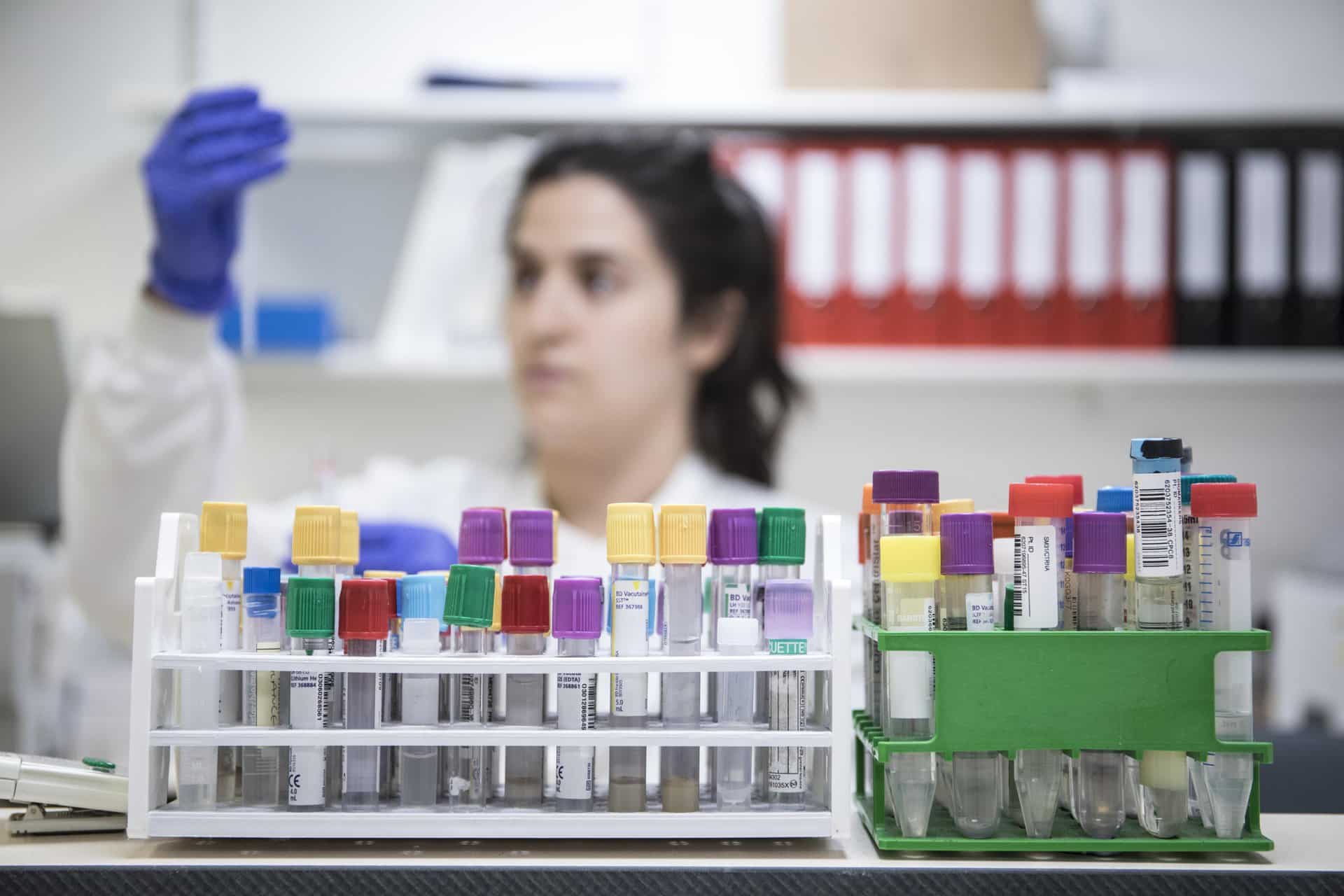
Where Breakthrough Science Moves Faster – From Discovery to Real-World Impact
The morning sun filtered through the glass façade of the Manchester Institute of Biotechnology, illuminating a bustling hive of researchers. Amidst the hum of centrifuges and the rhythmic tapping of keyboards, the city’s legacy of innovation continues to unfold. It was here, in 1978, that the world welcomed Louise Brown, the first human born from in vitro fertilization. Just a few decades later, this same city is pushing the boundaries of what is possible with cutting-edge advancements in life sciences—from graphene-based brain-computer interfaces to bespoke cancer therapies.
A Historical Nexus of Innovation
Greater Manchester’s prominence in the life sciences sector isn’t just a recent phenomenon; it is founded on a rich tapestry of historical achievements. The region has been a crucible for scientific advances, boasting figures like Ernest Rutherford, who famously split the atom in 1917, and the developers of pioneering orthopedic procedures.
Continuing the Legacy
As Dr. Sarah Harrison, Chief Medical Officer at the Greater Manchester Health and Social Care Partnership, notes, “This city has a unique ecosystem that encourages the rapid translation of scientific discoveries into clinical outcomes. Our collaborative spirit among academia, healthcare, and industry is unmatched.”
A Thriving Ecosystem for Life Sciences
The engines of Greater Manchester’s life sciences growth are multifaceted. With over 63,000 employees across approximately 1,400 life sciences companies, the region has seen a consistent growth rate at least 10% above the UK average for the last decade. This metabolic glow is not accidental; it is the result of strategic investments and a forward-thinking approach to healthcare integration.
- World-Class Research Institutions: Institutions like The University of Manchester and Manchester Metropolitan University offer an unparalleled blend of education and research.
- Robust Clinical Trials: The city leads in conducting clinical trials, pushing the envelope of the testing phase to ensure swift entry into the healthcare market.
- Real-World Data Utilization: Housing extensive health data sets, Manchester leverages real-world evidence to inform decisions and improve patient outcomes.
Innovations at Work
In the realm of digital health, organizations are examining how to harness big data for personalized medicine. Recent findings from a hypothetical study conducted by the Greater Manchester Academic Health Science Network revealed that implementing real-time patient monitoring can lead to a 20% reduction in hospital readmissions.
From Lab to Life
The pathway from discovery to real-world impact in Greater Manchester is streamlined. The region’s strong public-private partnerships foster collaboration that brings innovations swiftly to market. For instance, recent clinical trials of a new graphene-based brain-computer interface have opened doors to therapies for debilitating conditions such as Parkinson’s disease.
As Dr. Ravi Kapoor, a leading neuroscientist at the University of Manchester, remarks, “We are witnessing a paradigm shift where the integration of new materials like graphene into health technologies is not merely theoretical; it’s already manifesting in clinical settings.”
Community and Economic Impact
Such innovation doesn’t just exist in a vacuum. The convergence of technology and healthcare in Greater Manchester has broader ramifications for the local community. As a burgeoning life sciences hub, the region is adapting to the challenges of aging populations and increasing healthcare demands. A survey conducted by the Manchester Economic Commission indicates that the life sciences sector could contribute an additional £1.3 billion to the local economy by 2025.
Challenges Ahead
Yet, with great innovation comes significant challenges. The race to develop new therapies can sometimes result in ethical dilemmas, particularly regarding data privacy in health technology. “We must navigate the fine line between harnessing data for better health outcomes and ensuring patient confidentiality,” cautions Dr. Harrison.
As organizations venture deeper into genomic medicine and personalized therapies, they face pivotal questions about access and equity. Will these innovations be available to all segments of the population, or will they widen existing health disparities?
Research and Resilience
Despite these obstacles, Greater Manchester’s commitment to resilience shines through. Initiatives like the Greater Manchester Health and Social Care Partnership are not only fostering innovation but also focusing on building frameworks that ensure equitable access to the benefits derived from scientific advancements.
Looking to the Future
The rich tapestry of Greater Manchester’s life sciences landscape is continuously evolving. With international collaborations gaining momentum, the region increasingly attracts global attention as a blueprint for how scientific breakthroughs can translate to real-world benefits.
As the city celebrates its legacy of firsts, it prepares for the next wave of scientific revolution. The ethos of turning ideas into action runs deep in Greater Manchester—an ethos that is establishing it as a cornerstone of global health innovation.
In this spirit, the city appears ever more poised to embrace the future of life sciences, showing not only the world what is possible but also what is urgently necessary for the health of populations across the globe.
Source: www.investinmanchester.com

