


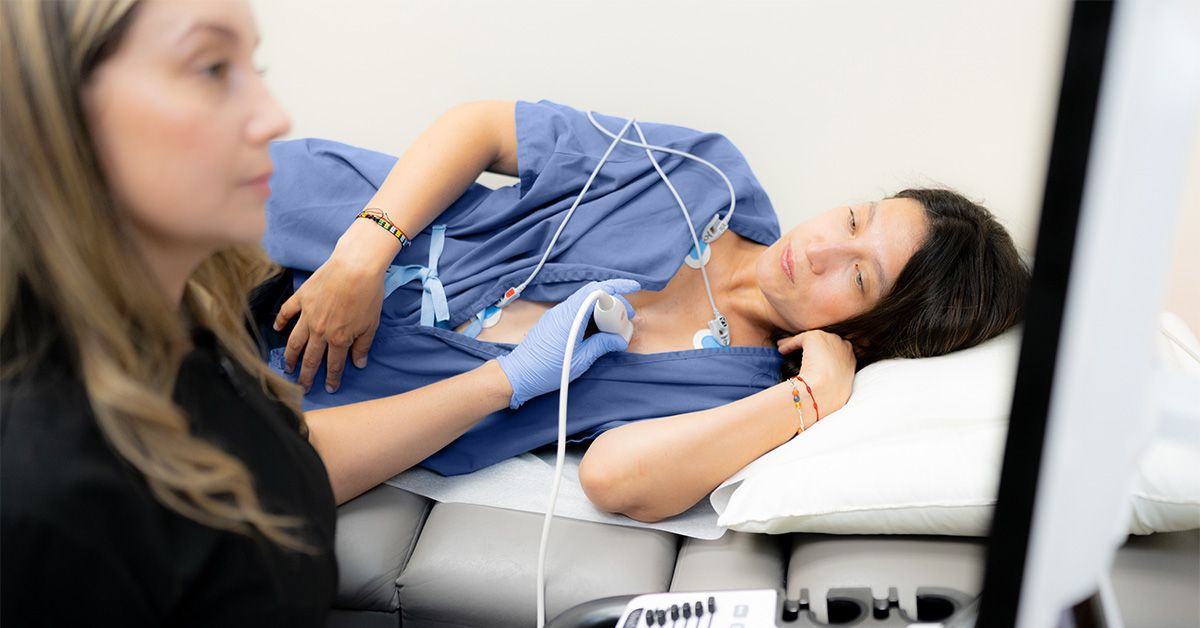
Could sex-specific thresholds help improve cardiac risk prediction?
As she sat in the bustling cardiology clinic, Jennifer felt a mix of anxiety and uncertainty. At 45, she had always taken pride in her active lifestyle, yet recent chest pains had sent her to seek answers. A plethora of tests later, her cardiologist deemed her plaque levels “low” and assured her she was at minimal risk. Yet, the nagging feeling that something was amiss lingered. A recent study sheds light on concerns like Jennifer’s, revealing that women may face significant cardiovascular risk at lower levels of plaque buildup compared to their male counterparts.
The Paradox of Plaque
A study published in Circulation: Cardiovascular Imaging highlights a striking paradox in heart health: while men typically exhibit higher levels of plaque, women experience major cardiovascular events at alarming rates, even with seemingly lower plaque volumes. Researchers at Mass General Brigham, led by Dr. Jan Brendel, analyzed nearly 4,300 stable outpatients suffering from chest pain with no prior history of coronary artery disease (CAD).
- Despite lower median total plaque volumes, women showed similar rates of major adverse cardiovascular events (MACE) as men.
- Sex-specific thresholds may be essential; women reached significant risk at about 20% plaque burden versus 28% for men.
- Women displayed a steeper increase in MACE risk at lower plaque levels, underscoring the need for tailored assessments.
“Yes, that was notable. Women had lower absolute plaque volumes but similar event rates,” Dr. Brendel remarked, emphasizing that the smaller coronary arteries in women may lead to a comparable relative disease burden.
The Biology of Risk
Dr. Kevin Shah, a board-certified cardiologist who was not directly involved in the study, elaborated on the implications of these findings. “This study reinforces that plaque biology and distribution matter — not just total quantity. Less plaque does not necessarily mean low risk in women,” he stressed. These insights resonate not only for patients like Jennifer but also underscore an urgent call for a shift in how clinicians evaluate cardiac risk.
According to the new findings, the cardiovascular threat for women isn’t just a matter of total plaque volume; rather, it’s about how plaque manifests in their bodies. Women often present with smaller coronary arteries, which magnifies the impact of the plaque burden. “From a clinical perspective, this suggests that modest plaque burden warrants careful attention rather than being assumed benign, particularly in women,” added Dr. Brendel.
The Call for Change
The results push the boundaries of current medical understanding and challenge long-standing diagnostic protocols. Traditionally, the industry has relied on uniform plaque thresholds derived largely from male studies, risking an underestimation of risk in women. The study advocates for a nuanced approach: integrating sex and possibly age into plaque interpretation could enhance patient outcomes and guide appropriate preventive care.
“Currently, there are no widely established plaque burden thresholds in routine clinical practice,” Dr. Brendel noted, drawing attention to a significant unmet need in cardiovascular diagnostics.
The Future of Cardiac Risk Assessment
Experts call for the establishment of sex-specific cutoffs in risk assessments, believing it essential for recognizing the differences in how plaque affects men and women. The implications are profound: implementing sex-specific interpretations could alter the way physicians approach risk evaluation and treatment for their female patients.
“The data suggest that risk thresholds may not be one-size-fits-all. Women may reach clinically meaningful risk at lower plaque burdens than men,” Dr. Shah cautioned. “Future guidelines may benefit from incorporating sex-specific interpretations, but additional validation of these findings would be important before formal changes are made,” he added.
As the medical community grapples with these new insights, individuals like Jennifer must advocate for themselves. She left the clinic with new questions and a determination to engage in deeper conversations with her healthcare providers about her unique risk profile. Her experience is a reminder that personal stories, coupled with scientific research, can fuel the necessary changes in healthcare.
Source: www.medicalnewstoday.com

