


A Growing Body of Nutritional Research Suggests That Eating Patterns Rich in Whole Foods Can Support Long-Term Well-Being
On a brisk morning in Seattle, a group of seniors gather in a community center, their eyes gleaming with enthusiasm as they learn to whip up dishes from scratch using ingredients straight from local farms. This is not merely about culinary skills; it is a shared journey towards a healthier lifestyle, one that blends tradition with the latest findings in nutritional science. For these participants, the commitment to fill half their plates with colorful fruits and vibrant vegetables goes beyond aesthetics—it signifies a pledge to longevity.
Whole Foods: The Cornerstone of Health
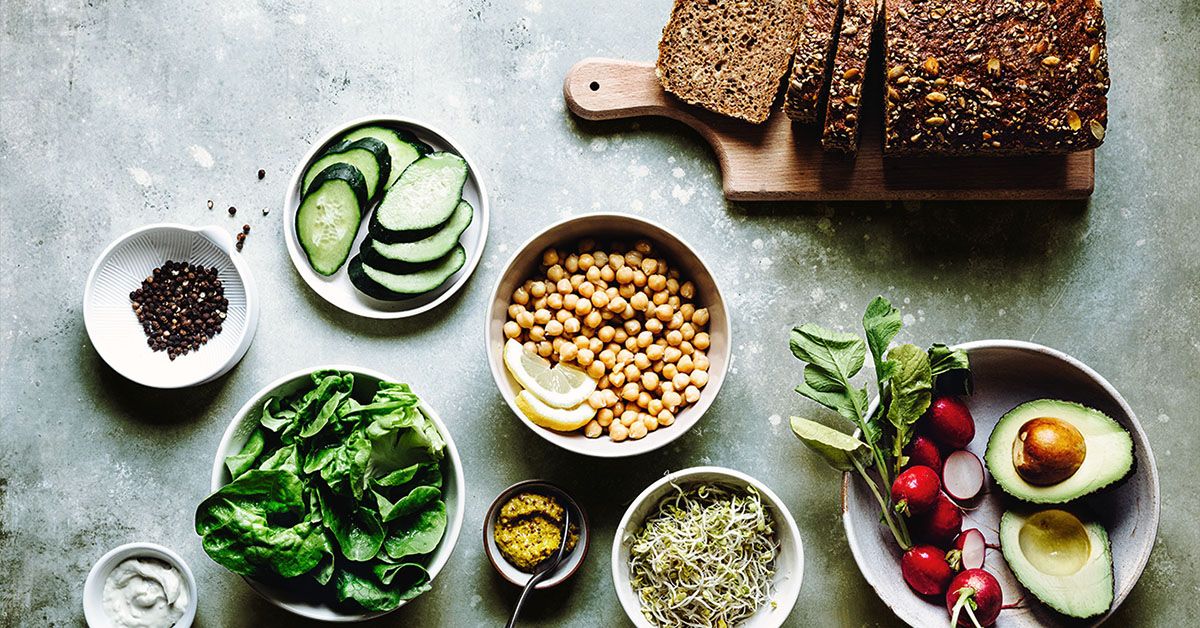
A growing body of research emphasizes the unparalleled benefits of a diet rich in whole foods, particularly plant-based options. A study published in the *Journal of Nutrition and Health* in 2022 revealed that individuals who consumed a higher proportion of whole foods reported significantly better health outcomes, including lower rates of chronic diseases and improved mental well-being. Dr. Anna Chen, a prominent nutritionist and leading author of the study, states, “This could mean committing to filling half your plate with fruits and vegetables at meals, swapping refined grains for whole grains, choosing nuts for snacks, and replacing sugary beverages with water or unsweetened tea. This shift aligns with the core principle shared by all the beneficial diets we studied.”
The Benefits of Plant-Based Eating
Exploring the science behind plant-based eating reveals its multifaceted benefits. A report from the Global Institute for Nutrition in 2023 highlights how individuals who adhere to a diet rich in plant-based foods experience lower levels of inflammation and enhanced gut health.
- Improved Cardiovascular Health: Studies show that diets high in vegetables, fruits, and whole grains can reduce the risk of heart disease by up to 30%.
- Weight Management: Research indicates that plant-based eaters tend to have lower body mass indexes (BMIs) compared to those consuming more processed foods.
- Better Mental Health: Several longitudinal studies suggest a strong correlation between plant-based diets and improved mental health outcomes.
Small Steps Toward Lasting Change
While the benefits are clear, translating knowledge into actionable habits can often prove daunting. Nutritionist Dr. Mark Routhenstein emphasizes a gradual approach to dietary change. “Start small, one meal or habit at a time. Gradually add fiber to give your digestive system time to adjust. Add one fiber-rich food serving to a meal at a time, such as oats, beans, lentils, whole grains, fruits, or vegetables.”
Implementing Long-term Strategies
The path to adopting a healthier eating pattern doesn’t require an immediate overhaul. Here are several strategies backed by expert opinions and research:
- Mindful Eating: Paying attention to hunger cues can prevent overeating and promote health.
- Meal Planning: Preparing meals in advance can ensure a balanced intake and reduce reliance on processed options during busy days.
- Community Involvement: Joining local food programs or classes increases knowledge and fosters accountability.
Dr. Routhenstein also notes, “When communities unite around food and health, the impact is profound. People not only learn but support each other.” His assertion echoes the importance of social connections in adhering to nutritional regimes, further highlighted by the *Nutritional Psychology Journal*, which stresses the mental health benefits of shared meals.
Technology and Nutrition: A Modern Approach
With the rise of technology, more individuals are leveraging apps and online platforms to monitor their dietary habits. A 2023 survey revealed that 65% of participants found success tracking their eating patterns through digital health tools. Dr. Elina Takahara, a tech-savvy nutritionist, notes, “These tools not only provide immediate feedback but also create a community for sharing recipes and tips.”
This digital shift aligns with lifestyles that are becoming increasingly fast-paced, allowing individuals to adopt plant-based habits without compromising convenience.
The Future of Dietary Trends
The conversation about food is evolving. As more individuals seek to improve their health through dietary changes, the emphasis on whole foods, particularly those derived from plants, will likely dominate discussions. A robust 2022 report from the Institute for Healthy Living predicts that by 2030, dietary guidelines will increasingly focus on sustainability alongside health.
In the vibrant Seattle community center, participants reminisce about their childhood meals filled with fresh produce, reminiscing about the flavors and aromas that now drive their culinary experiences. The laughs, stories, and shared recipes echo the transformative power of food—shaping not just body but soul and community.
With every meal prepared, these individuals embody a shift that many are beginning to embrace worldwide. The journey toward whole food-centric diets is not solely about personal health; it is a collective movement toward embracing the rich tapestry of what nourishing oneself can manifest. To eat well is to live well—and more importantly, to connect with the very essence of community and the environment itself.
Source: www.medicalnewstoday.com

