


New York City Mayor Zohran Mamdani’s Support for Jabez Chakraborty Highlights A Broader Mental Health Crisis
As the sharp sirens of emergency vehicles filled the air in a quiet Queens neighborhood, 22-year-old Jabez Chakraborty lay gravely injured, fighting for his life in a hospital room. On a recent Friday afternoon, Mayor Zohran Mamdani stood before the press, his expression a mix of concern and determination. “Jabez should not have been in handcuffs,” he insisted, challenging both law enforcement protocols and public perception regarding mental health crises.
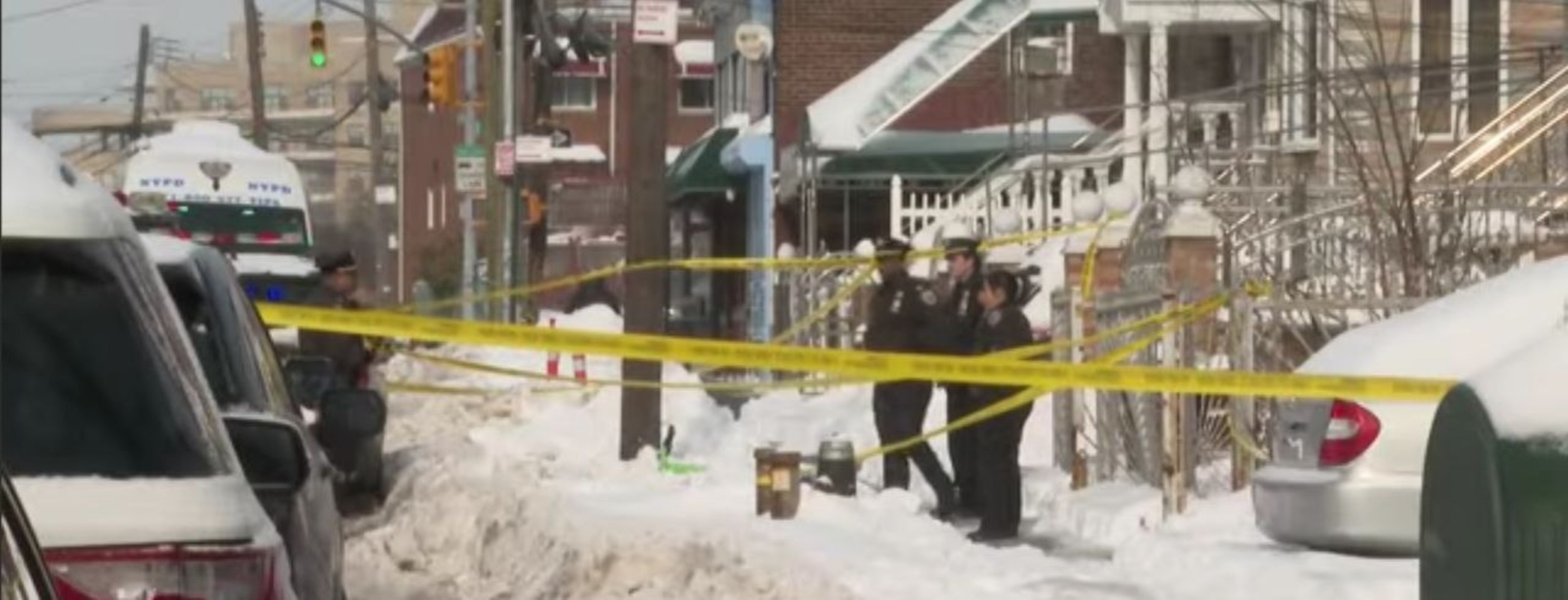
The Incident That Shook Queens
The events of that fateful day began with a simple 911 call from Chakraborty’s parents. They sought assistance for a son suffering an emotional crisis, hoping for medical intervention. Instead, the New York Police Department arrived, guns drawn, and Chakraborty—a young man known to have grappled with schizophrenia—was shot multiple times. The body cam footage that followed revealed the chilling moment Chakraborty brandished a knife in an attempt to approach the officers, leading to a violent confrontation.
In the aftermath, Chakraborty’s family expressed their shock and dismay. “We called for an ambulance for our son, who was in emotional distress. We did not call the police,” they stated. The family’s account contrasts with the NYPD’s declaration that they were responding to an involuntary transfer request, which, as they noted, would inherently involve police presence. This divergence has sparked a heated debate on how mental health crises should be handled in urban settings.
Mayor Mamdani’s Vision for Mental Health Care
During the Bronx Lane Bus Project press conference, Mamdani reiterated his stance on how mental health episodes should be addressed by law enforcement and medical professionals. “No family should have to endure this kind of pain,” he declared emphatically. His proposal for a Department of Community Safety aims to allocate mental health professionals to respond to similar crises, emphasizing a need for a compassionate approach rather than a combative one.
Rethinking Law Enforcement’s Role
Mamdani’s approach resonates with contemporary research indicating that police involvement in mental health emergencies can exacerbate tensions rather than defuse them. Dr. Melissa Chen, a clinical psychologist at the New York Institute of Mental Health, states, “Involvement of trained mental health professionals can significantly reduce the risk of escalation in crisis situations. Cities that have adopted this model report lower rates of violence and better outcomes for individuals in distress.”
Indeed, studies show the effectiveness of “crisis intervention teams” in various U.S. cities:
- Reduced police confrontations by 30% during mental health calls.
- Increased rates of successful medical interventions over punitive actions.
- Improved mental health outcomes for individuals in crisis.
Challenges Ahead
Despite Mamdani’s optimism, significant challenges lie ahead as his administration strives to transform the emergency response system. One key issue is clarity regarding the circumstances under which police intervention remains necessary, especially in volatile situations involving weapons. Mamdani acknowledged this complexity: “A lot of this is exactly the focus of the conversations that we’re having internally in developing out this Department of Community Safety.”
As discussions continue, the potential for pushback is palpable. Law enforcement unions and proponents of traditional policing practices have voiced concerns about the integration of mental health professionals into emergency response teams. They argue that sensitive situations can quickly escalate and require armed personnel, further complicating Mamdani’s vision. “The balance between safety and compassion is delicate, and we must ensure our officers are prepared for every possibility,” said Officer Frank Turner, a representative for the NYPD Union.
The Broader Implications
The incident involving Chakraborty has ignited broader conversations about systemic neglect in mental health services across the United States. Grassroots movements advocate for a reallocation of funds from militarized policing to mental health services, echoing sentiments shared by Mamdani. According to a recent survey conducted by the National Alliance on Mental Illness (NAMI), only 40% of individuals with mental illnesses receive the support they need, pointing to an urgent need for reform.
“What happened to Jabez could happen to anyone. Until we provide comprehensive mental health resources, families will continue to suffer,” asserted Sarah Gold, a member of a local advocacy group. Her sentiments resonate with many who believe that the current system is both detrimental and inadequate.
As Mamdani moves forward in his administrative journey, he faces both allyship and opposition. His leadership serves as a litmus test for the future of mental health reform in urban America. For Jabez Chakraborty and families like his, the hope is that tragedy will spark necessary change, transforming the narrative from one of despair to one of healing and support.
Source: www.ibtimes.co.uk

