


A New Policy Under Intense Scrutiny
As Mary Thompson leaned against the counter of her modest café in East London, her eyes narrowed at the evening news blaring from a nearby television. The report detailed a new government initiative to combat obesity, a topic that resonated deeply with her. “How can we trust a policy that doesn’t cater to the needs of our community?” she mused, serving a customer who was also grappling with weight-related issues. Mary’s skepticism was echoed in numerous testimonies submitted to the ongoing parliamentary inquiry into Food and Weight Management, where experts voiced concerns over a perceived disconnect between policy and reality.
Voices of Concern
The Health and Care Committee, tasked with evaluating the government’s obesity strategy, has been inundated with concerns from charities, clinicians, and experts. Among them, Dr. James Holloway, a leading public health researcher, noted, “The government’s current approach lacks nuance. Many individuals in deprived areas or those from ethnic minority backgrounds experience disproportionate rates of obesity and related conditions. This strategy could very well exacerbate existing inequalities instead of alleviating them.”
Indeed, the inquiry has revealed alarming statistics. A 2022 study by the National Health Institute found that nearly 40% of individuals from low-income backgrounds are classified as obese, compared to 25% from wealthier areas. This disparity mirrors a broader trend in which socioeconomic status severely impacts health outcomes.
Despite these warnings, the government’s submission to the inquiry contends that Integrated Care Boards (ICBs) possess a legal duty to allocate funding for treatments recommended by the National Institute for Health and Care Excellence (NICE). However, with funding structures locked in and not adjusted to accommodate rising patient numbers, a significant gap between policy intention and practical application emerges. “We’re facing a ticking time bomb,” explained Professor Linda Wei, a health policy expert at the University of Bristol. “The disparity in access to these crucial medications could widen if the government doesn’t act swiftly.”
A Multifaceted Approach Required
The call for a comprehensive and well-funded national obesity strategy is growing louder. MPs have emphasized the necessity for a policy that intertwines access to weight loss medications, behavioral interventions, and food industry regulations. A recent report published by the Food and Health Alliance highlighted that for every one percent increase in access to obesity treatments, there could be a corresponding two percent decrease in obesity prevalence among low-income populations.
- GPs, specialist weight loss services, ICBs, and public health departments should provide transparent information regarding the criteria for accessing weight loss drugs, particularly regarding lower BMI thresholds for certain ethnic groups.
- ICBs and health services must reconsider the caution currently advised against contacting GPs about these drugs; such warnings can discourage people from seeking valuable health advice.
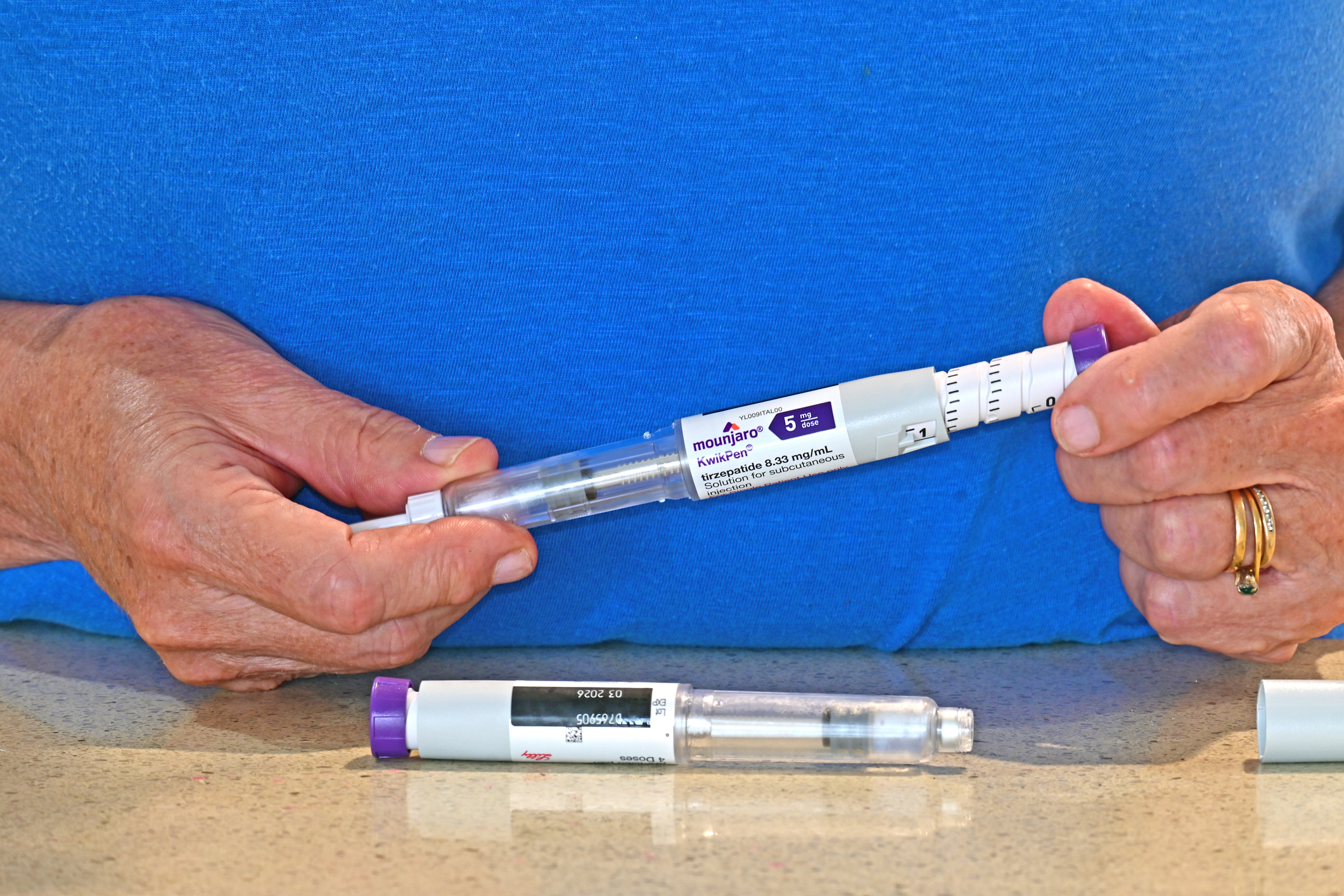
- NHS England should commit to collecting and publicly sharing data on the number of patients accessing medications like Mounjaro, segmented by local authorities and ICB areas to identify gaps in service provision.
These recommendations, while straightforward, hinge upon a timely response from government officials. The challenge lies not just in policy formulation but in its implementation—a daunting task given the complexities of healthcare provisioning across diverse communities. “Without an effective feedback loop, policies will remain theoretical,” emphasized Dr. Jonathan Rees, who has extensively studied healthcare access disparities.
The Data Dilemma
Another critical aspect of the inquiry centers on data collection, or the lack thereof. The government has openly acknowledged the difficulties it faces in accurately collecting and reporting on prescribing data related to drugs like Mounjaro, which can be utilized for both obesity management and diabetes treatment. “When you can’t distinguish between the uses for these medications, it hampers the effectiveness of public health initiatives,” stated Dr. Sophia Patel, an obesity researcher at King’s College London.
The failure to isolate such data has raised concerns about how effectively the government can respond to emerging health needs. Without precise tracking, it becomes nearly impossible to gauge the adequacy of resources allocated to different regions, further complicating the issue of health equity.
Looking Forward
Until the Health and Care Committee concludes its inquiry and offers actionable recommendations, the future remains uncertain. The voices of individuals like Mary Thompson, along with the weight of academic research, beg the question: will policymakers genuinely address the pressing concerns of accessibility and equity in their efforts to tackle obesity? As the café bustled with patrons talking about weight loss journeys and health challenges, Mary thought to herself, “Change must happen, and it must happen now.”
Source: www.healthwatch.co.uk

