


Could Muscle Strength Serve as a Key Longevity Indicator for Older Females?
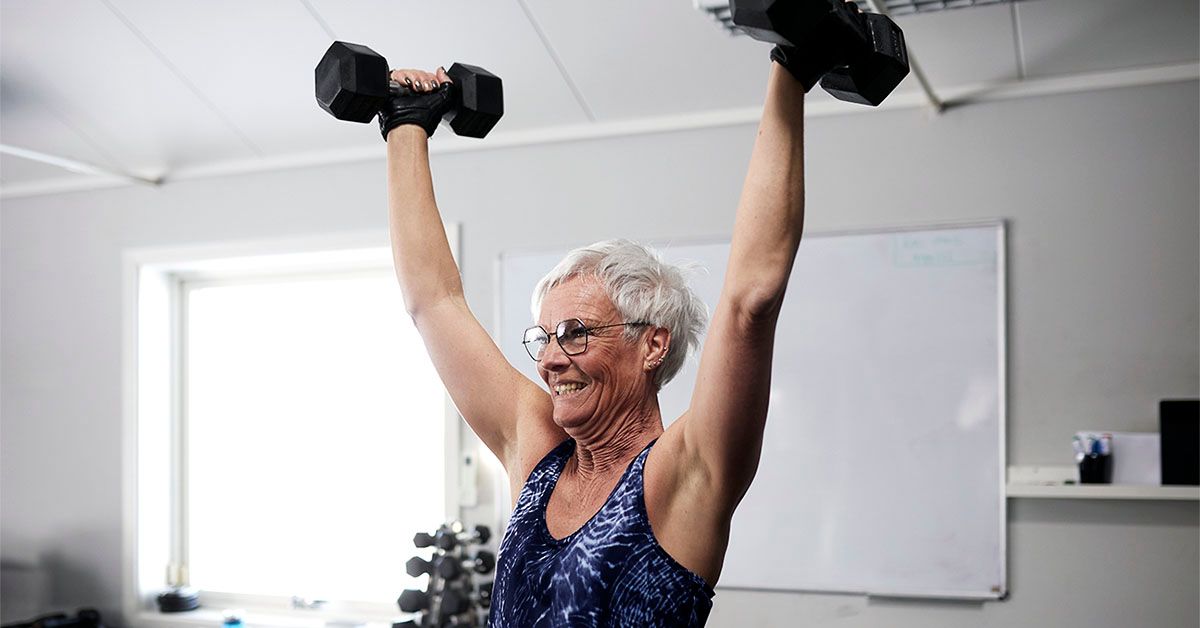
In a sunlit gym nestled within a suburban community center, a group of women in their seventies gather weekly, their laughter punctuating the air as they lift dumbbells and engage in spirited conversation. Among them is 75-year-old Margaret, who, despite initial skepticism about the benefits of weight training, has found empowerment and a renewed sense of purpose in her newfound strength. “I’m lifting more now than I ever thought possible,” she beams, a testament to a growing body of research suggesting that muscle strength may not only enhance quality of life but could be a predictive marker of longevity in older females.
The Pivotal Role of Muscle Strength in Aging
Recent findings from a large-scale study, published in JAMA Network OPEN, illuminate the intricate connection between muscle strength and longevity among women aged 63 to 99. The research indicates that higher muscle strength correlates with a significantly lower risk of mortality—from heart disease to various chronic conditions. The implications are profound as society grapples with the increasing number of aging women, projected to dominate the elderly demographic.
- Grip Strength: A reliable indicator of overall health, with a 33% reduced risk of death among the strongest participants.
- Chair Stand Performance: Faster chair stand times associated with a 37% reduced risk of death.
- Independence from Activity Levels: Muscle strength linked to longevity regardless of meeting aerobic exercise guidelines.
The study, tracking participants over an average of 8.3 years, assessed muscle strength through grip strength tests and chair-stand activities. Disturbingly, the findings revealed that nearly 1,964 individuals passed away during the study period, prompting researchers to delve deeper into the underlying health implications.
A Deeper Dive into the Data
Kristen Lettenberger, a physical therapist at Bespoke Treatments, emphasizes, “Strength training is not just about muscles. It’s about preserving bone density, improving heart health, and maintaining independence in older age.” Her insights align with the study’s results, underscoring muscle strength’s role in mitigating diabetes risk factors and promoting better balance and mobility, essential for injury prevention.
Grip strength, in particular, emerged as a consistent and reliable predictor of longer life. Researchers found that women showcasing greater grip strength not only benefitted physically but also exhibited improved metabolic function. The study’s authors suggest that muscular strength reflects a broader state of health, positing that the quality of muscle rather than just mass may critically influence longevity.
The Inflammation Connection
A significant aspect of the research tackled the relationship between muscle strength and inflammation. Chronic low-grade inflammation has long been implicated in accelerated muscle loss and mortality risk. While some may argue that reducing inflammation through exercise is vital, the data reveals that muscle strength brought about longevity benefits independent of inflammatory levels. Lettenberger notes, “Strong muscles might better regulate the immune system and influence metabolic processes, going beyond just reducing inflammation.”
Though the study was observational, making direct cause-and-effect conclusions challenging, sensitivity analyses confirmed the robustness of muscle strength as a longevous factor, even after accounting for other health indicators. Researchers assert that exiting participants, who died early in the study, did not skew outcomes significantly, thus bolstering the hypothesis that stronger muscles contribute positively to longevity.
Practical Implications
The implications of this study extend beyond academic interest. As the global population over 65 is projected to soar, with numbers reaching 1.6 billion by 2050, the need for effective strategies to sustain independence and health among older females has never been more pressing. Lettenberger stresses, “Integrating muscle-strengthening activities into daily routines should be prioritized, and it’s easier than people think.”
Experts recommend a regimen that includes:
- Bodyweight exercises for endurance and foundational strength.
- Incorporating regular resistance training with weights.
- Balancing strength training with cardiovascular activities for holistic health benefits.
The study aligns with national guidelines advocating strength-building exercises at least twice a week. Simple tests, such as grip strength assessments, could serve as effective screening tools for aging-related health risks.
A Call to Action for Community and Policy Makers
The evolving narrative surrounding muscle strength and aging begs for an urgent conversation. Community centers and healthcare practitioners must join forces to emphasize strength training as a critical component of senior health programs. Local initiatives that promote classes and workshops can empower women like Margaret, reshaping their perspectives on aging.
As one doctor aptly put it, “Strengthening our muscles isn’t merely about physical health; it’s an investment in our future well-being.” As the sun sets on yet another gym session, the sound of laughter blending with the rhythmic clinking of weights underscores a transformative truth: muscle strength not only enhances the quality of life for older women but holds promise as a key to living longer, healthier lives.
Source: www.medicalnewstoday.com

