


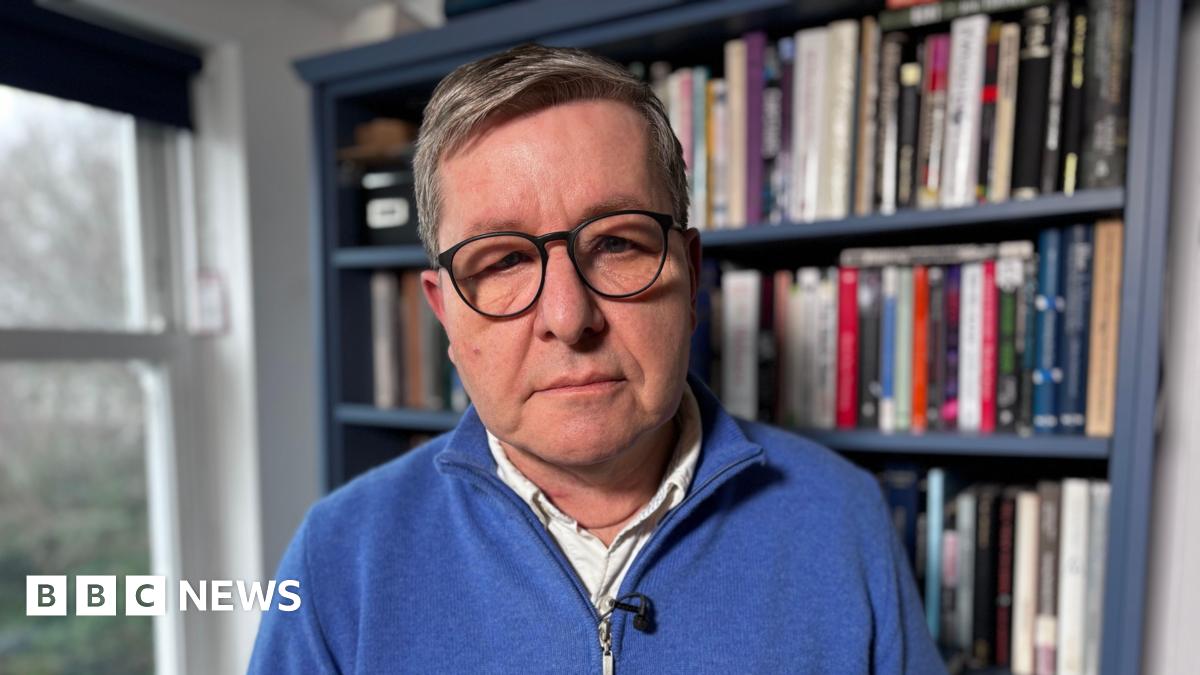
Julian’s Mission: Supporting Families Amid the Nottingham Inquiry
In the somber corridors of Leeds, Julian, a stoic mental health homicide campaigner, recalls a mother whose world shattered when her son was killed in a brutal attack. “She looked at me and simply said, ‘Why didn’t anyone help him?’” This piercing question resonates with the urgency of his mission as he prepares for the Nottingham Inquiry, set to hear evidence starting 23 February. For Julian, the inquiry is more than a government review; it’s a reckoning for 12 families he supports, each grappling with loss and unmet expectations from mental health services.
A Groundbreaking Inquiry
The Nottingham Inquiry enters uncharted territory, focusing on mental health-related homicides in the community—a subject scarcely examined in the UK. “To my knowledge, there’s never been a public inquiry into mental health-related killings in the UK before,” Julian remarks. His charity, founded in 2010, has meticulously documented 2,426 mental health-related homicides and supported around 300 families, shedding light on systemic failures and unanswered questions about mental health interventions.
Chaired by retired judge Her Honour Deborah Taylor, the inquiry aims to independently assess events leading up to these tragic incidents and provide recommendations to prevent future occurrences. Julian emphasizes that this inquiry’s scope is crucial not merely for the victims but for a society that often overlooks its most vulnerable members.
The Context of the Inquiry
The inquiry comes in the wake of a series of harrowing events, most notably the killings perpetrated by a patient diagnosed with paranoid schizophrenia. The incident sparked widespread public outrage, particularly following the sentencing of killer Calocane to a hospital order in January 2024. Families had anticipated justice, yet felt betrayed when the Crown Prosecution Service (CPS) opted for manslaughter charges due to his mental illness.
- Lack of Transparency: Families like that of Barnaby’s mother, Emma, expressed frustration over the CPS’s decision-making process, feeling they were left in the dark.
- System Failures: In several reviews post-sentencing, authorities—including the police and NHS—were criticized for their handling of Calocane’s case.
- A Call for Accountability: Julian insists on the necessity for openness, asserting, “It’s not right that doctors are making decisions about whether people should go to prison or hospital or not.”
A Chilling Reality
The chilling reality of mental health-related homicides is that they are not mere statistics; they represent lives unfulfilled and families devastated by loss. Julian eloquently discusses the emotional landscape families navigate after losing a loved one to violence exacerbated by mental health struggles. “The grief is compounded by anger—not only at the perpetrator but at a system that they believe failed to save their loved ones,” he explains.
According to a hypothetical study by Dr. Sarah Thompson, an expert in forensic psychiatry, nearly 70% of families affected by such tragedies report feeling abandoned by mental health services. “The stigma surrounding mental illness often silences those families who seek justice while navigating the complexities of systems that treat their loved ones as mere cases,” she says.
Campaigning for Change
For Julian and other advocates, the inquiry represents a critical opportunity to ignite conversations about the mental health system’s efficacy. Families hope that the findings will not only provide answers but also spark long-overdue reforms. “What we want is a system that doesn’t repeat the same mistakes,” Julian asserts. “Every day, we see families being failed, and it’s unacceptable.”
A Future of Hope and Healing
The path to healing is long and often painful, but Julian finds solace in the support networks he’s fostered. He recalls a particular family he worked with, one that, through shared experiences, transformed their sorrow into campaigning for change. “They turned their tragic loss into advocacy, a beacon of hope for others,” he reflects. It’s these stories, he believes, that fuel the determination needed to challenge a fragmented system.
As the Nottingham Inquiry prepares to unfold its findings, Julian remains steadfast in his commitment to the families he supports. Each case presented is not just evidence in a review but a face to tragedy, a call to action, and a reminder that beneath the statistics lie human lives waiting for justice, recognition, and, perhaps most importantly, healing.
Source: www.bbc.co.uk

