


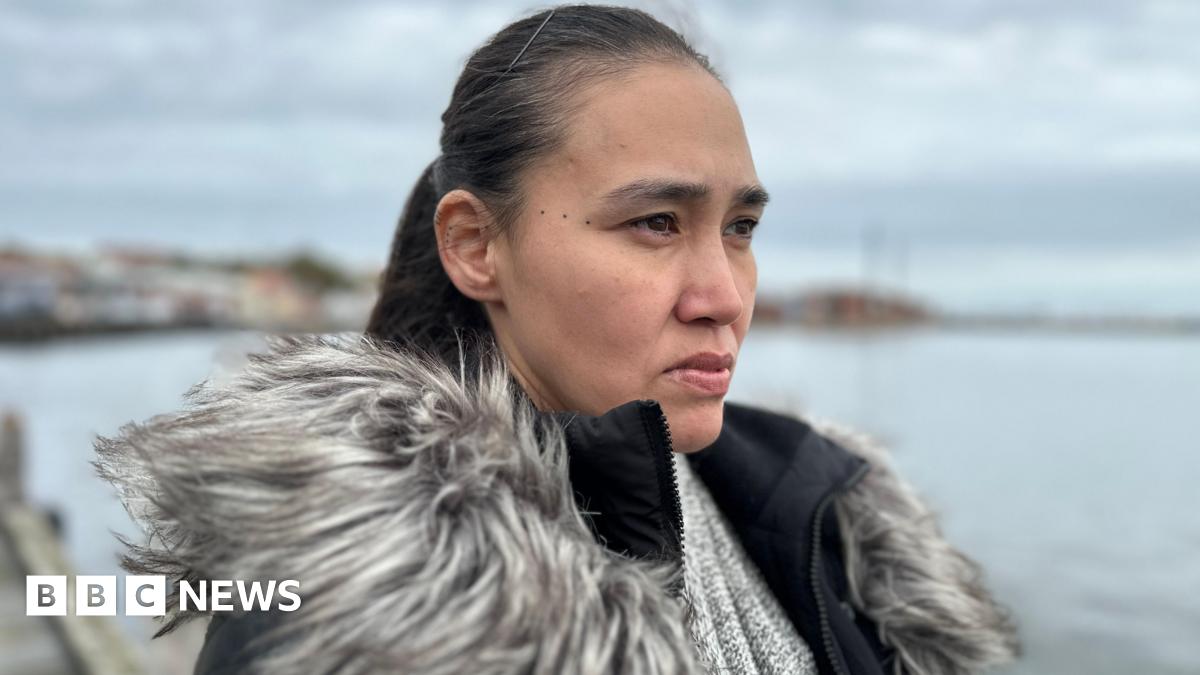
But not all Greenlandic parents who had children taken into care after completing FKUs will have their cases reviewed
On a cold December afternoon in 2020, Johanne and Ulrik’s world shattered. Their son, born earlier than anticipated, had briefly graced their lives for 17 days. The couple blissfully cared for him, immersed in a joyous whirlwind of firsts—changing diapers, midnight feedings, and soft lullabies. “It was the happiest time of my life as a father,” recalls Ulrik, 57. However, this fleeting moment of parental bliss was abruptly interrupted when social workers, accompanied by police officers, arrived at their doorstep. “As I was dressing my son to hand him over, I felt the most horrific heartbreak,” Ulrik admits, his voice heavy with memories.
The Complex Landscape of Parental Rights in Greenland
Their tragic story is emblematic of a bigger issue affecting many Greenlandic families, particularly those subjected to the Family Care Evaluation (FKU). This governmental intervention, aimed at assessing parental fitness, has haunted the lives of numerous parents, especially the Indigenous Inuit population. The Danish authorities maintain that FKU assessments are vital for safeguarding children; however, the emotional toll on families can be devastating.
Johanne’s narrative is riddled with complexities. Tested during her pregnancy, she faced an evaluation process steeped in stigma. In a 2019 report, she was labeled “narcissistic” and described as having “mental retardation,” phrases that reflect outdated diagnostic paradigms derived from World Health Organization classifications used at the time. Johanne vehemently disputes these labels. “I am not what they say. I love my children fiercely,” she asserts.
The Implications of the Danish Government’s Stance
The Danish government has declared that cases where children have already been adopted will not be reviewed, a decision that leaves many parents feeling marginalized. As Dr. Anna Nikolajsen, a leading researcher in social policy, states, “The refusal to reassess adoption cases reflects a troubling disregard for the complexities of familial bonds and the need for restorative justice.” In her recent study, she underscores that over 1,200 Greenlandic children have been placed in care without adequate follow-up or review, indicating a systemic issue that questions the current austerity of parental rights.
- Lack of Accountability: The policy effectively silences families who could benefit from reassessment.
- Long-lasting Trauma: The emotional scars of separation often lead to severe mental health issues in parents and children alike.
- Cultural Displacement: Indigenous identity and heritage are strain with the prevalence of FKUs, further disenfranchising Greenland’s Inuit population.
A Shift in Perspectives
As attention focuses on the injustices surrounding FKU assessments, advocates argue for comprehensive reforms that prioritize family reunification over separation. “The goal should be to keep families together whenever possible,” asserts Lars Petersen, a child welfare advocate in Nuuk. “Adopting a more culturally sensitive approach would foster trust and ultimately benefit the community.” His comments echo sentiments found in a prior survey of 800 Greenlandic parents, where 70% expressed a desire for more culturally aware practices in child welfare interventions.
The heartbreaking realities faced by Johanne and Ulrik represent a microcosm of a much larger conversation concerning the balance of parental rights and state intervention. As the couple navigates their deep sense of loss, they also confront systemic indifference that silences their plight. “We’ll never forget the joy of those 17 days,” Johanne shares, her voice a mixture of sorrow and tenacity.
Voices of Resilience in the Community
Their pain is not unique; the echoes of similar stories resonate throughout Greenland. Families are grappling with the long-standing impact of colonization, unemployment, and mental health challenges exacerbated by the legacy of past policies. The lack of consistent reviews means many parents remain trapped in an unyielding system that dismisses their histories and struggles.
Dr. Nikolajsen’s recent research emphasizes how parental experiences differ significantly based on socio-economic factors, further complicating the narratives of children in care. “A one-size-fits-all approach does not work in child welfare. We have to consider the unique contexts of each family,” she stresses, advocating for tailored interventions.
Alarming statistics have surfaced in recent years, revealing that around 50% of children in foster care are from homes where at least one parent has undergone an FKU evaluation. Dr. Nikolajsen’s findings indicate that policies disproportionately affect marginalized communities, often compounding existing inequalities.
Hope Amidst Challenges
Despite the heartache and systemic hurdles, Johanne and Ulrik remain hopeful. They depend on grassroots organizations advocating for change and the voices of parents demanding accountability and acknowledgment. “This is our fight,” Ulrik declares passionately. “It’s about more than just us; it’s about every family affected.” With community support, they are working to challenge the injustices they have encountered.
As Greenland grapples with the consequences of its child welfare policies, the stories of families like Johanne and Ulrik are vital. Their voices—filled with both despair and resilience—demand to be heard in a system that often silences them. For these parents, the struggle for recognition and renewal is just beginning, and their journey continues to inspire hope for a more equitable future.
Source: www.bbc.co.uk

